 (281) 242-1061
  Schedule Consultation
Published
8 minute read
For many women, the decision to explore breast enhancement is deeply personal. It is not only about size. It is often about balance, proportion, femininity, and the way a woman feels in her own body. Some have wanted fuller breasts for years and are finally ready to look into their options. Others want to restore volume that changed after pregnancy, breastfeeding, weight loss, or aging. Some simply want clothing to fit better and their silhouette to feel more harmonious.
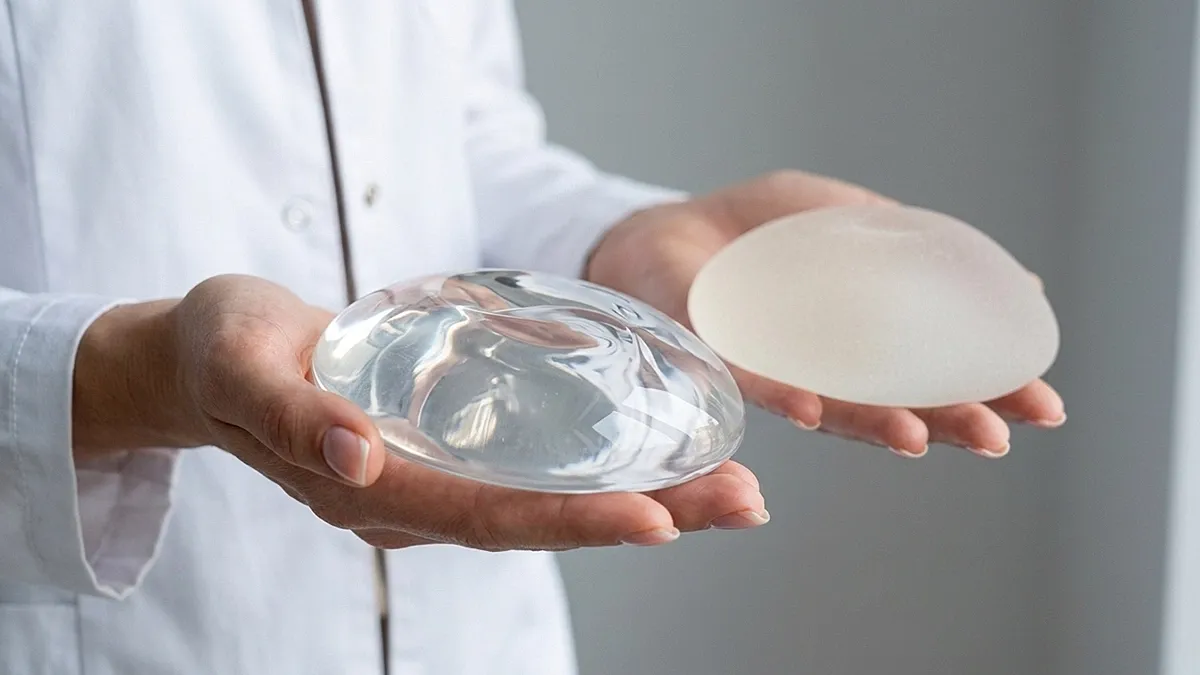
As patients begin researching, they quickly come across newer terms and newer techniques. One of the names drawing attention is Motiva Preservé. It is often presented as a more modern approach to breast enhancement, which naturally leads patients to ask an important question. How does it compare with traditional breast implants, and which option makes the most sense?
The answer deserves more than a quick comparison chart. In breast surgery, the best choice is rarely the newest option simply because it is new. It is also not automatically the most familiar option simply because it has been around longer. The right answer depends on the patient’s anatomy, goals, skin quality, breast shape, lifestyle, and long-term priorities.
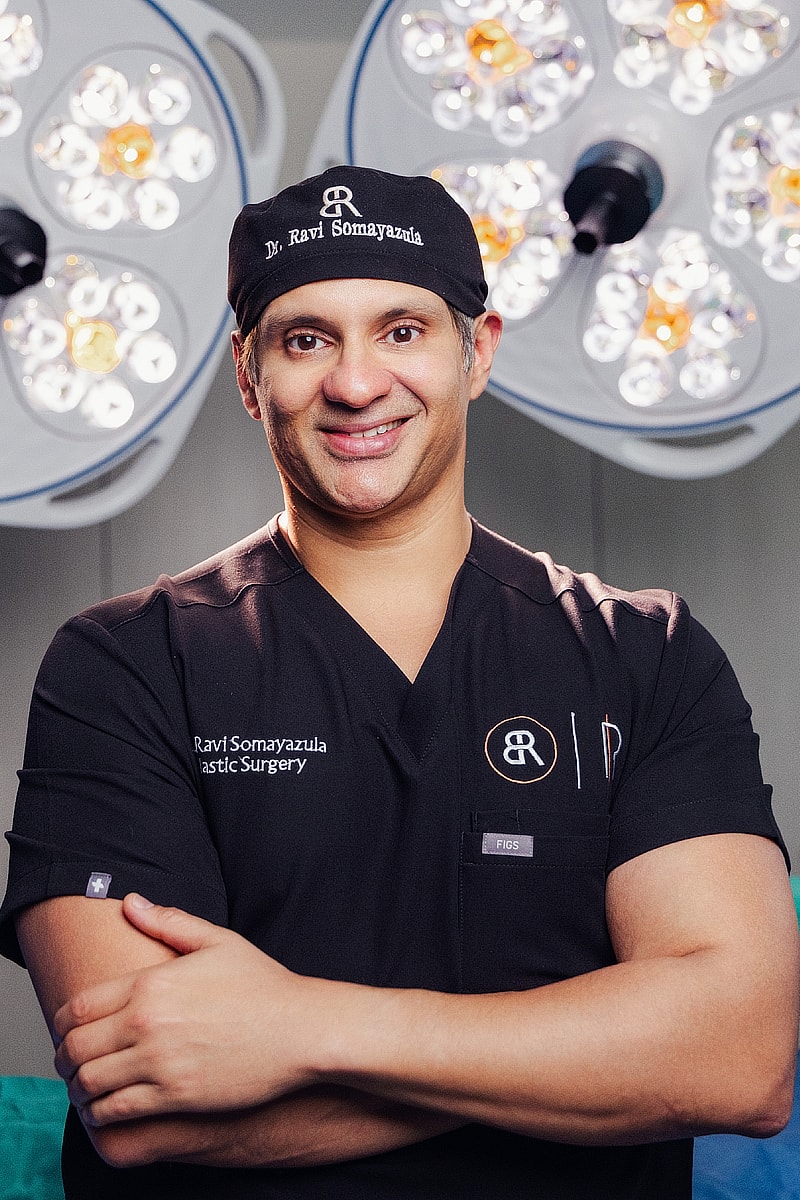
That is how Dr. Ravi Somayazula approaches this conversation. At Body by Ravi Plastic Surgery & Associates, breast enhancement is never reduced to trends or sales language. It is approached with careful listening, thoughtful measurements, and a plan tailored to the individual. Dr Ravi Somayazula, Plastic Surgeon in Houston, TX, believes women deserve clear guidance, realistic education, and natural-looking outcomes that fit their bodies rather than overpower them.
The modern breast augmentation patient is often more informed than ever before. She has read articles, watched videos, looked at before-and-after photos, and compared experiences online. At the same time, all of that information can make things more confusing. Terms get blurred together. Marketing language starts to sound like medical guidance. Patients may begin to think they are choosing between a “better” option and an “older” option, when the real issue is far more nuanced.
Today’s patients also tend to want a different aesthetic than in past decades. Many are not seeking an obvious augmented look. They want shape, softness, and proportion. They want to feel better in swimsuits, dresses, work clothes, and activewear, while still looking like themselves. They want results that appear refined, not exaggerated.
That is one reason Motiva Preservé has gained attention. It speaks to a patient who values subtlety, a more tissue-conscious philosophy, and a carefully considered recovery experience. Still, that does not mean it is automatically the best fit for every woman considering breast enhancement.
A well-informed decision begins with understanding what is actually being compared.
One of the most important points for patients to understand is that Motiva Preservé is not simply a different implant in the same sense that one implant brand might be compared with another. It is better understood as an approach to breast enhancement that emphasizes preserving natural tissue relationships where appropriate.
That distinction matters. Patients are not only comparing one product with another. They are comparing a preservation-focused surgical philosophy with more traditional breast augmentation methods that have been used for years to create beautiful results across a wide range of breast shapes and goals.
For the right patient, this preservation-focused concept can be very appealing. The woman who may be drawn to it is often looking for refined enhancement, not dramatic change. She may want to maintain a natural feel, a balanced shape, and a result that integrates gently with her body. She may also be attracted to the idea of limiting unnecessary disruption when anatomy allows for that approach.
In simple terms, the appeal of Motiva Preservé often comes down to these patient priorities:
Those are all reasonable priorities. They are also priorities that need to be weighed against anatomy and surgical reality. A technique can sound ideal in theory and still not be the right choice for a particular patient in practice.
Traditional breast augmentation is sometimes described online in a way that makes it sound outdated. That is not an accurate or helpful way to frame it. Traditional breast augmentation simply refers to the established surgical techniques used to place breast implants and shape the breast. These methods remain highly relevant because they are versatile, dependable, and adaptable to many different anatomical situations.
In many patients, traditional augmentation is still the most appropriate and predictable path to an elegant result. That is especially true when the breast needs more than a modest increase in volume. Some women have significant asymmetry. Some have skin laxity after pregnancy or weight loss. Some have drooping that changes nipple position. Some want more noticeable fullness or a more dramatic size increase. These situations often require a broader set of surgical tools and a more structured plan.
Traditional breast augmentation can be particularly valuable when a patient needs:
That is why traditional breast augmentation remains such an important part of modern aesthetic breast surgery. It is not old-fashioned. It is foundational. In experienced hands, it can still create results that look soft, balanced, and very natural.
Patients often assume the key question is which option is more advanced. In reality, the better question is which option is more appropriate. Breast surgery is not only about adding volume. It is about shaping the breast in a way that fits the chest, the skin envelope, the natural tissue, and the patient’s vision for her body.
This is where surgical judgment becomes critical.
A beautiful breast result depends on much more than implant choice. It depends on the surgeon’s ability to assess:
When that evaluation is done carefully, the right plan starts to reveal itself. For some women, a preservation-focused approach may align beautifully with their anatomy and aesthetic goals. For others, a more traditional augmentation plan may offer better shaping, better support, and greater predictability.
There is a reason this option has captured attention. It reflects what many women are asking for today. They want enhancement, but they do not want to look artificial. They want more shape, but they do not want their breasts to look disconnected from the rest of their bodies. They want confidence, but they do not want the surgery to become the first thing others notice.
That emotional piece matters. Most women are not pursuing breast surgery simply to be seen. They are often doing it to feel more complete, more comfortable, or more aligned with how they see themselves. Some have always felt their breasts were too small for their frame. Others miss the softness and fullness they used to have. Others are trying to restore body confidence after major physical changes.
The interest in Motiva Preservé is often strongest among women who want:
In that sense, the appeal is not only physical. It is also emotional. It speaks to women who want enhancement without feeling like they are losing themselves in the process.
At the same time, not every breast can or should be approached with a more limited-disruption philosophy. There are many women whose anatomy calls for a more established augmentation plan because it offers better control and a more complete solution.
This is especially true when volume alone will not solve the problem. If the breasts have dropped significantly, if the nipples sit too low, if there is more skin than the breast can support attractively, or if one side differs noticeably from the other, the operation needs to do more than simply add fullness.
A more traditional approach may be better suited for women who:
These are not small details. They are often the factors that determine whether the result looks elegant and stable or whether it feels incomplete. The breast has to be supported, positioned, and shaped in a way that works both immediately and over time.
That is why Dr Ravi Somayazula, Plastic Surgeon in Houston, TX, does not treat this discussion as a trend comparison. He treats it as a planning decision. The goal is not to fit the patient into a fashionable technique. The goal is to choose the technique that best fits the patient.


Published
6 minute read
One of the biggest reasons women ask about newer breast enhancement approaches is recovery. Many patients are balancing careers, parenting, travel, fitness, and full family schedules. They are not just asking how the breasts will look. They are asking how the surgery will affect real life in the days and weeks afterward.
That is a reasonable concern, and it should absolutely be part of the consultation.
A preservation-focused concept can sound appealing because it suggests a gentler relationship between the operation and the tissues. For selected patients, that may be a meaningful advantage. But recovery is never one-size-fits-all. It depends on the procedure performed, the patient’s body, her pain tolerance, her healing response, and how closely she follows aftercare instructions.
A responsible discussion of recovery should include:
Patients deserve honesty here. They should not be led to believe that one technique makes surgery effortless. At the same time, they should be reassured that recovery planning is part of the process and that a well-designed surgical plan takes healing into account.
The phrase “natural-looking” appears everywhere in aesthetic medicine, but it only has meaning when it is backed by sound planning and restraint. A natural result is not created by branding alone. It comes from choosing the right volume, the right dimensions, the right level of fullness, and the right surgical strategy for the patient’s body.
That is why some women with more complex anatomy can still achieve very natural-looking results with traditional breast augmentation. It is also why some women seeking a softer enhancement may be good candidates for a preservation-focused approach. The label matters less than the fit.
Natural-looking outcomes often depend on the surgeon’s willingness to prioritize proportion over excess. In breast surgery, bigger is not always better. More projection is not always more elegant. The most attractive result is often the one that suits the shoulders, waist, hips, tissue quality, and chest width in a way that feels balanced.
That philosophy is central to the way Dr. Ravi plans breast surgery. At Body by Ravi Plastic Surgery & Associates, the emphasis is on outcomes that feel feminine, tasteful, and individualized. The plan is meant to support the patient’s confidence, not overpower her frame.
Although every patient requires an individualized assessment, there are certain women who may be especially interested in discussing Motiva Preservé. These patients often have good skin quality, a moderate enhancement goal, and anatomy that does not require major reshaping.
They may include women who:
These women are often not asking for transformation in the most dramatic sense. They are asking for balance. They want to look better in their clothes, feel more comfortable in swimwear, and enjoy a silhouette that feels more complete. For some, that is exactly where a preservation-focused conversation may have value.
There are also many women who will likely do better with a more established implant-based plan. This does not mean they are poor candidates for beautiful results. On the contrary, it often means their anatomy deserves a more comprehensive strategy.
Women in this category may include those who:
In these situations, traditional augmentation gives the surgeon more freedom to create structure, support, and shape. It can be the difference between a result that simply adds fullness and one that truly enhances breast aesthetics.
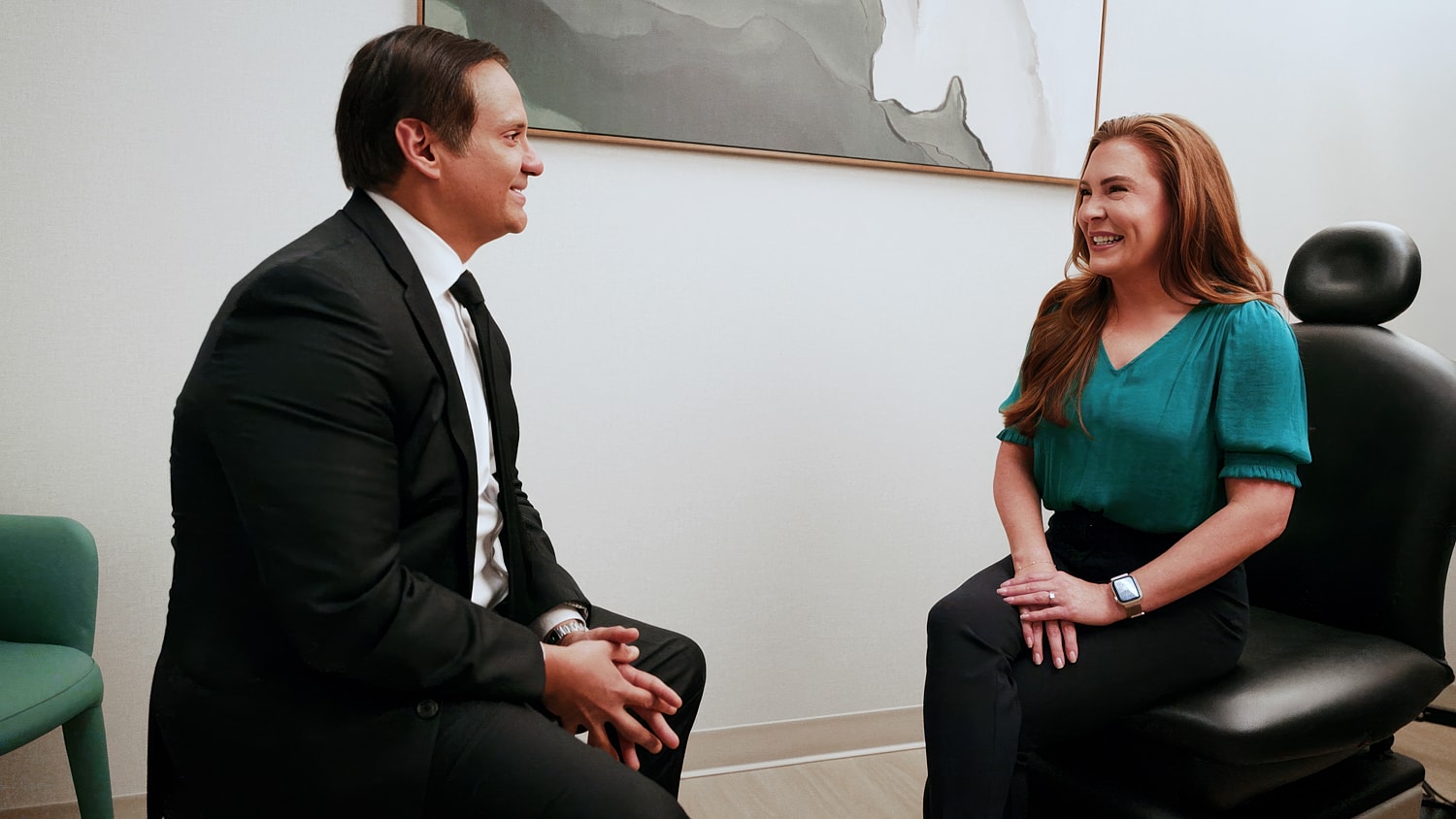
No article, no video, and no online discussion can replace a thoughtful in-person consultation. That is where the patient’s anatomy is evaluated, her goals are clarified, and the real planning begins. It is also where misconceptions can be corrected.
A strong consultation should help a woman understand:
This is also where trust is built. Patients should feel heard, not rushed. They should feel educated, not pressured. They should leave understanding not only what is possible, but what is sensible.
Dr Ravi Somayazula, Plastic Surgeon in Houston, TX, places great value on this process because the best outcomes begin long before surgery day. They begin with listening, honesty, and precise planning.
Any discussion of breast implants should include a broader conversation about long-term care. Breast implants are not lifetime devices, and responsible planning includes understanding that future monitoring and, at times, future procedures may become part of the overall journey.
Patients should go into surgery with realistic expectations. They should understand that implants can require maintenance, that the breast will continue to change with time, and that body changes, aging, pregnancy, and weight fluctuations can influence long-term appearance.
A careful consultation should address:
This type of education is part of patient-centered care. It supports confident decision-making and helps women choose with a clear understanding of both benefits and responsibilities.
A more preservation-focused approach may suit subtle enhancement, but patients seeking a more visible change in size or fullness may benefit from a traditional augmentation plan. The decision depends on how much change the patient wants and what her anatomy can support safely.
No technique can replace a lift when true breast sagging is present. If the nipple position is low or the skin envelope is stretched, a lift may still be required to achieve a balanced and aesthetically pleasing result.
Natural feel depends on multiple factors including tissue thickness, implant selection, and surgical technique. While preservation concepts may support a softer feel in some patients, long-term results are still influenced by anatomy and healing.
All breast surgeries are influenced by aging, gravity, and lifestyle changes. The long-term appearance depends more on tissue quality, implant size, and surgical planning than on whether a preservation or traditional approach was used.
In selected cases, combining implants with fat transfer may enhance contour and softness. This decision is highly individualized and depends on available donor fat, breast anatomy, and the desired outcome.
Active patients should discuss their lifestyle in detail during consultation. Certain approaches may be more aligned with preserving muscle function, but the final recommendation depends on anatomy and goals.
Cleavage is influenced by chest width, implant size, and surgical planning rather than a single technique. A tailored approach is required to achieve the most natural and proportional result for each patient.
Revision surgery can be complex and depends on the current implant position, tissue condition, and surgical history. Not all patients are candidates for converting between techniques, so planning the initial surgery carefully is important.
All breast implants carry known risks and require long-term consideration. Newer techniques may offer certain advantages, but they do not eliminate the need for monitoring and informed decision-making.
If the decision feels centered on brand names rather than your body and goals, it may help to step back. The best outcomes come from a personalized surgical plan where implant choice is only one part of a larger, carefully designed strategy.
Published
3 minute read
Women in Houston often want results that are polished, feminine, and believable. They want confidence, but not excess. They want shape, but they still want to look like themselves. Many are busy professionals, mothers, or active women who need surgery to fit into a full and demanding life.
That is why a personalized approach matters so much. A woman with young children may need a different recovery strategy than a woman who travels frequently for work. A woman who lifts weights regularly may have different concerns than a woman whose main goal is simply restoring post-pregnancy volume loss. The best surgical plan respects these details.
At Body by Ravi Plastic Surgery & Associates, breast surgery is planned with that level of personalization in mind. Dr Ravi Somayazula, Plastic Surgeon in Houston, TX, approaches each case with an emphasis on proportion, safety, natural beauty, and a patient experience that feels calm, professional, and individualized.
When women compare Motiva Preservé with traditional breast implants, they are often hoping for a simple winner. In reality, the best answer is much more personal than that. Motiva Preservé may be appealing because it reflects a more tissue-conscious and refined approach for selected patients. Traditional breast augmentation remains essential because it continues to offer the flexibility and control many women need in order to achieve their best result.
The smartest decision is not based on which option sounds more exciting online. It is based on which option fits the patient’s anatomy, her aesthetic goals, her lifestyle, and her long-term interests.
For some women, that answer may involve a preservation-focused plan. For others, it may involve a traditional implant approach. For others, it may involve combining implants with a lift or choosing a different strategy altogether. The best result comes from making the right match, not from choosing the loudest trend.
Dr Ravi Somayazula, Plastic Surgeon in Houston, TX, believes women deserve that kind of thoughtful guidance. They deserve a consultation built on listening, education, and careful surgical planning. At Body by Ravi Plastic Surgery & Associates, the goal is always the same: to help each patient choose the path that feels most natural, most appropriate, and most beautiful for her body.
For women considering breast enhancement in Houston, the next step is a personalized consultation with Dr. Ravi to discuss anatomy, preferences, and the option most likely to create a balanced and lasting result.
Dr. Ravi Somayazula is a nationally recognized, board-certified plastic surgeon serving Houston and the surrounding communities. Known for his refined surgical technique and natural-looking results, Dr. Ravi specializes in advanced body contouring procedures, including his signature SMART Tummy Tuck.
Patients choose Dr. Ravi for his thoughtful, personalized approach and his commitment to both safety and experience. Procedures are performed in his private, nationally accredited QUAD A surgical suite alongside board-certified physician anesthesiologists, ensuring the highest level of care from consultation through recovery.
With over a decade of experience and thousands of successful outcomes, Dr. Ravi combines surgical precision with an elevated, patient-centered experience—helping each individual feel confident, informed, and beautifully themselves
YOUR NEXT STEPS TOWARD A CONFIDENT TRANSFORMATION
Choosing the right plastic surgeon is one of the most important decisions you’ll make. We encourage you to take the time to fully understand your options and feel confident in your choice.
Your consultation is a personalized, one-on-one experience designed to understand your goals and create a tailored treatment plan.
A little preparation can help you get the most out of your consultation and feel fully confident in your next steps.