 (281) 242-1061
  Schedule Consultation
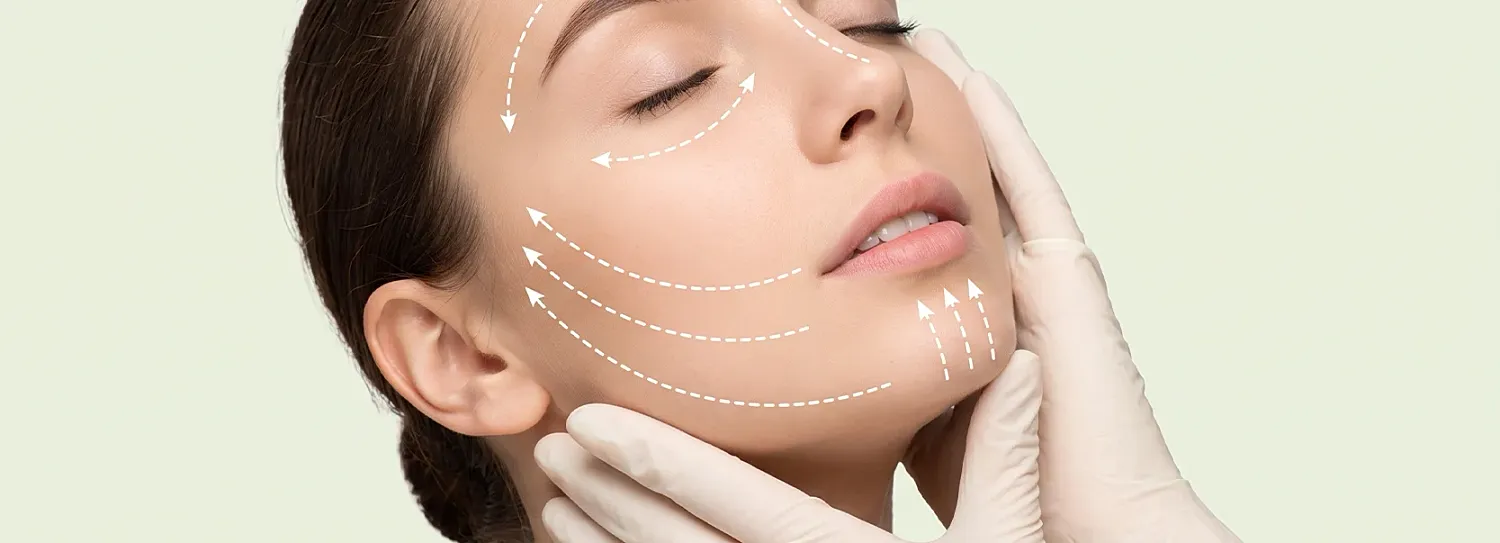
Facial fat grafting, also called facial fat transfer, uses a patient’s own fat to restore volume in areas that have become hollow, deflated, or less youthful. It may improve the cheeks, temples, under-eye region, upper eyelids, brows, facial folds, and areas affected by aging or significant weight loss.
Dr. Mathew Moreno performs facial fat grafting in Houston with an emphasis on conservative placement, natural facial proportions, and avoiding an overfilled appearance. His goal is to restore softness and support while preserving the patient’s identity and natural facial movement.
Facial fat grafting transfers a small amount of fat from another area of the body into selected facial regions. The fat is harvested, prepared, and placed in carefully controlled layers to restore lost volume and improve facial balance.
Unlike manufactured filler, transferred fat is living tissue that may remain long term after it develops a blood supply. Dr. Moreno uses fat grafting to restore support rather than simply adding fullness everywhere.
Facial fat grafting may improve:
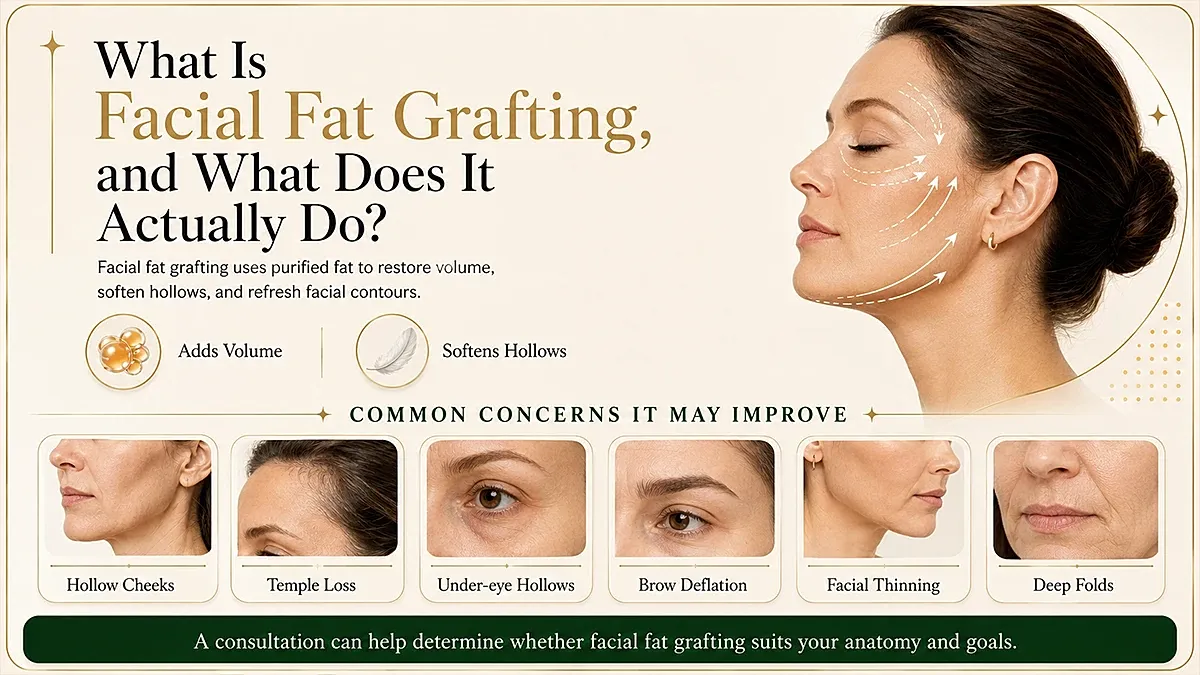

Facial fat grafting is a customized surgical procedure that combines limited liposuction with precise facial volume restoration. Most patients need approximately one to two weeks before they feel socially comfortable, although swelling can continue longer.
The amount of fat used depends on the number of treatment areas, facial anatomy, and whether the procedure is combined with other surgery. Some transferred fat is naturally reabsorbed, while the portion that survives may provide long-lasting improvement.
Autologous fat transfer
Abdomen, flanks, thighs, or another suitable region
One to two weeks
Long-lasting after fat survival stabilizes
Facelift, neck lift, or blepharoplasty
Facial fat grafting can restore volume using the patient’s own tissue while creating soft, natural-looking contours. It may be especially helpful when facial deflation makes the cheeks, temples, or eye area look tired or hollow.
The procedure can also reduce dependence on repeated filler treatments. Dr. Moreno uses conservative placement to avoid heaviness and to maintain harmony between the treated area and the rest of the face.
Potential benefits include:
Facial fat grafting provides structural volume using the patient’s own tissue, while dermal filler provides temporary correction and Sculptra stimulates gradual collagen production. The best option depends on the treatment area, desired longevity, available donor fat, and tolerance for surgery.
Filler may be useful for small, precise adjustments, while fat grafting can treat several areas during one procedure. Dr. Moreno determines whether the concern is true volume loss, tissue descent, skin laxity, or a combination before recommending treatment.
The options differ in several ways:
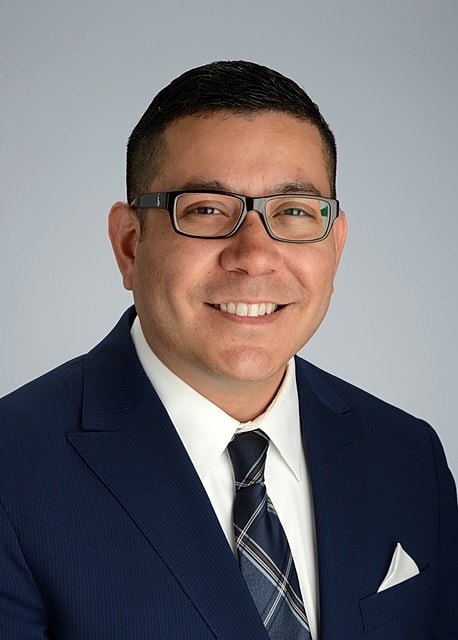
Dr. Mathew Moreno is a fellowship-trained plastic surgeon with a focused interest in facial rejuvenation and facial volume restoration. He completed six years of integrated plastic surgery residency training at the University of Kansas Medical Center, followed by a 12-month aesthetic surgery fellowship in New York.
His philosophy centers on restoration rather than transformation, with an emphasis on proportion, restraint, and natural-looking results. Dr. Moreno uses fat grafting to restore selected areas of deflation without making the face appear swollen, heavy, or overfilled.
His approach emphasizes:
A facial fat grafting consultation identifies which areas have lost volume and whether that volume loss is the primary cause of the patient’s concern. Dr. Moreno evaluates the cheeks, temples, eyes, brows, lips, folds, jawline, and overall facial structure.
The visit also includes a review of weight changes, previous filler, prior facial surgery, donor-fat availability, medical history, and expectations. Dr. Moreno explains whether fat grafting alone is appropriate or whether lifting, resurfacing, or another procedure is needed.
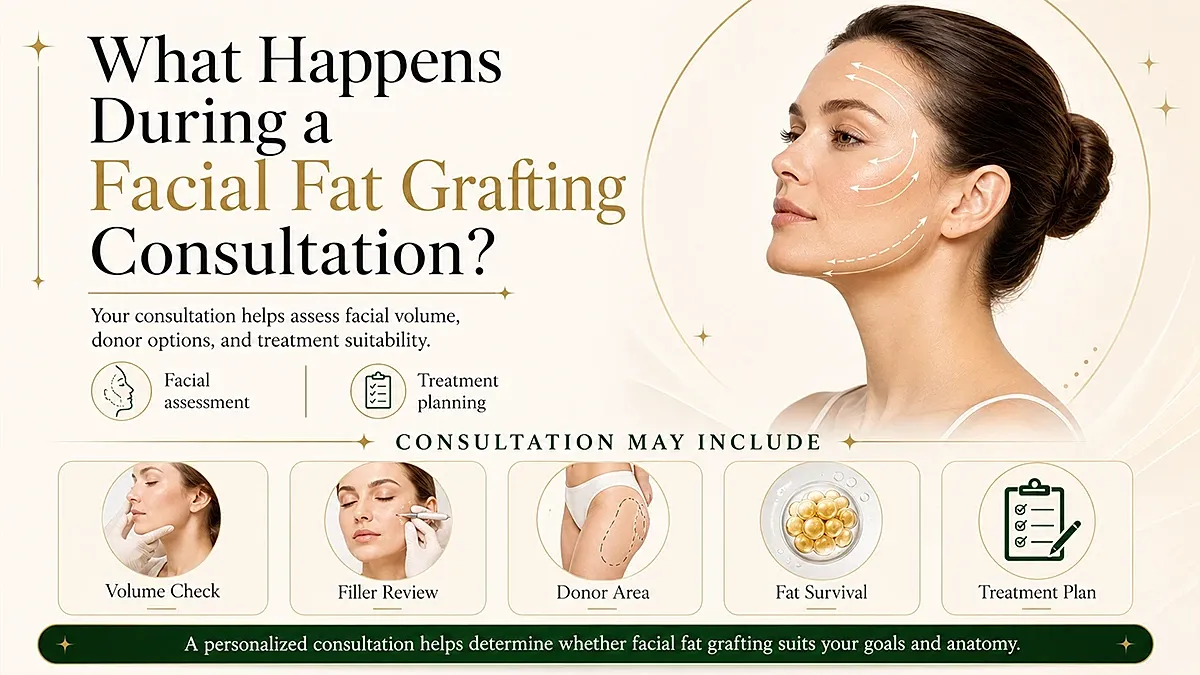 Your consultation may include:
Facial fat grafting can be used in several regions, but not every area requires the same fat preparation or injection depth. The cheeks and temples may need structural volume, while the eyelids require smaller amounts and more delicate placement.
Dr. Moreno may also use nanofat around the lower eyelids to smooth the eyelid-to-cheek junction and support skin quality. Treatment is tailored to the anatomy rather than using one volume or technique throughout the face.
Common treatment areas include:

You may be a good candidate if your face looks hollow, thin, or deflated and you want longer-lasting volume restoration using your own tissue. Patients should also have enough donor fat available and understand that some transferred fat will be reabsorbed.
Good candidates are generally healthy, avoid nicotine, maintain a relatively stable weight, and have realistic expectations about gradual healing. Dr. Moreno also evaluates whether loose skin or tissue descent would limit the benefit of adding volume alone.
You may benefit from an evaluation if you:
Facial fat grafting may not be appropriate when the primary concern is significant skin laxity, jowling, or tissue descent rather than volume loss. Adding fat without lifting descended tissue can make the face appear heavier.
The procedure may also need to be delayed in patients with unstable weight, active nicotine use, uncontrolled health conditions, or unrealistic expectations. Dr. Moreno may recommend a facelift, neck lift, filler, or no treatment instead.
The procedure may not be suitable for patients with:

Facial fat grafting involves harvesting fat from a donor area, processing it, and placing it into selected facial regions. A small cannula is used to remove the fat gently so the cells can be prepared for transfer.
Dr. Moreno then places the fat in small amounts across multiple tissue planes to support smooth integration and natural contour. More delicate preparations, including nanofat, may be used around the eyelids or for selected skin-quality concerns.
The procedure generally includes:
Facial fat grafting before-and-after photos should show softer contours, reduced hollowing, and better facial balance without excessive fullness. The strongest results look natural at rest and during expression.
Photos should be viewed as educational examples rather than guarantees of an identical result. Dr. Moreno can explain how age, skin quality, weight stability, fat survival, and combined procedures may influence the outcome.
When reviewing photos, look for:


A personalized consultation is the first step in determining whether facial fat grafting is appropriate for your anatomy and goals. Dr. Moreno evaluates facial volume, tissue position, skin quality, and donor-fat availability before recommending treatment.
Submitting the consultation form does not commit you to surgery and does not replace an in-person medical examination. A patient coordinator can contact you to discuss scheduling and preparation.
Recovery commonly involves facial swelling, bruising, tenderness, and temporary asymmetry. The donor area may also feel sore and may require a small compression garment depending on the amount of fat harvested.
The face often looks fuller than expected during the first several days because of swelling and planned placement. Dr. Moreno provides instructions regarding sleep position, activity, facial pressure, skincare, and donor-site care.
Recovery guidance may include:
The greatest facial swelling usually occurs during the first week, followed by gradual improvement over several weeks. Fat survival and final contour become more predictable over approximately three months or longer.
The following timeline is a general guide rather than a guarantee. Recovery may take longer when fat grafting is combined with facelift, eyelid, neck, or skin-resurfacing procedures.
Facial fat grafting uses very small access points for both fat harvesting and facial placement. These marks are usually discreet and often become difficult to notice after healing.
Scar quality depends on skin type, genetics, incision care, and sun exposure. Dr. Moreno places access points in concealed or natural locations whenever possible.
Scar considerations include:
Facial fat grafting cannot lift jowls, tighten significant loose skin, or correct advanced neck laxity. It also cannot stop aging or guarantee that every transferred fat cell will survive.
Dr. Moreno explains these limitations so volume is not used to compensate for a problem caused by tissue descent. A facelift, neck lift, eyelid procedure, or skin treatment may be more appropriate when volume loss is only part of the concern.
Facial fat grafting may not fully correct:
Facial fat grafting carries risks such as bleeding, infection, bruising, prolonged swelling, asymmetry, lumps, irregularities, and unpredictable fat survival. Under-correction or over-correction may occur, and additional treatment may be needed.
Rare but serious vascular complications are possible when fat is injected into the face, which makes detailed anatomical knowledge and careful technique essential. Dr. Moreno reviews these risks and uses controlled, conservative placement.
Potential risks include:

The cost of facial fat grafting in Houston depends on the number of areas treated, the donor site, anesthesia, facility expenses, and whether the procedure is combined with other surgery. Dr. Moreno provides a personalized quote after completing an examination and treatment plan.
A small, isolated fat transfer and a comprehensive facial rejuvenation involving multiple regions do not require the same time or resources. Patients should confirm whether donor-site liposuction, anesthesia, facility fees, and postoperative visits are included.
Factors that may affect cost include:
Facial fat grafting should be selected because true volume loss is contributing to the patient’s concerns. Adding fat to areas affected primarily by tissue descent can produce heaviness rather than rejuvenation.
Patients should understand that fat survival is variable and the early result looks fuller than the final outcome. A thoughtful decision includes realistic expectations about resorption, asymmetry, recovery, and the possibility of additional treatment.
A practical facial fat grafting guide should cover:
The fat that survives the transfer process can remain for many years because it becomes living tissue in the treated area. Some of the original volume is naturally reabsorbed during healing, so the early result is not the final result.
Transferred fat can respond to significant weight changes like fat elsewhere in the body. Stable weight, healthy habits, and careful skin protection can help preserve facial balance over time.
Long-term considerations include:
Facial fat grafting may be combined with other procedures when both volume loss and structural aging are present. It is commonly considered alongside facelift, neck lift, and eyelid surgery to create a more balanced rejuvenation.
Dr. Moreno recommends combined treatment only when each procedure addresses a distinct anatomical concern. Volume should support the lifted tissues rather than replace necessary structural correction.
Common combinations include:
Facial fat grafting may help restore volume after significant weight loss when the cheeks, temples, eyes, or lower face appear deflated. It can soften a gaunt or tired appearance while preserving natural facial proportions.
Weight should be stable before surgery so the treatment plan reflects the patient’s lasting anatomy. Dr. Moreno determines whether fat grafting alone is sufficient or whether loose skin and tissue descent also require lifting.
Post–weight loss treatment may address:
Patients should ask which facial areas need volume, how much fat is likely to survive, and whether lifting would be more appropriate. They should also understand the donor site, recovery, and possibility of needing another session.
A thoughtful consultation should explain how the fat will be processed and where it will be placed. Dr. Moreno encourages patients to understand why fat grafting is being recommended instead of filler or surgery that repositions tissue.
Helpful questions include:
Yes, the transferred fat behaves like fat in other areas of your body. Significant weight gain or loss can affect the volume in treated areas, although most patients do not notice dramatic changes with normal weight fluctuations.
Fat integrates into the surrounding tissue rather than sitting as a gel-like substance. This allows it to move and feel more like natural facial tissue, especially in areas like the cheeks and midface.
Overcorrection is possible if too much fat is placed, which is why a conservative, layered approach is important. The goal is gradual, natural-looking restoration rather than immediate dramatic volume.
It is common to have temporary asymmetry during the healing phase due to swelling and variable fat survival. This usually improves as swelling resolves and the transferred fat stabilizes.
In some patients, improving volume beneath the eyes can reduce the shadowing that contributes to a dark circle appearance. However, true pigmentation issues may require additional treatments.
The donor area does not significantly change the final aesthetic result, but the quality and handling of the fat do matter. Careful harvesting and processing help improve fat survival and overall outcome.
Yes, some patients choose to have additional fat grafting if they desire more volume after the initial healing phase. This is typically considered once the final result has fully stabilized.
When performed with proper technique, the risk is low, but irregularities can occur if fat is not evenly distributed. Skilled placement in small amounts helps minimize this risk and creates smoother contours.
Timing depends on the type of treatment, but many non-surgical procedures can be performed after the initial healing phase. Your provider will guide you on when it is appropriate to safely combine treatments.
When done conservatively and with proper planning, facial fat grafting should restore balance rather than create heaviness. Maintaining a natural look depends on appropriate volume placement and avoiding overcorrection.
Dr. Moreno combines comprehensive plastic surgery training with advanced aesthetic fellowship experience and a focused interest in facial rejuvenation. His approach considers facial structure, tissue descent, skin quality, and long-term proportion before adding volume.
He uses conservative fat placement and may incorporate fat grafting or nanofat around the eyes when appropriate. Patients can expect an honest evaluation of whether fat transfer, filler, lifting surgery, or another treatment best fits their anatomy.
Patients may value his focus on:
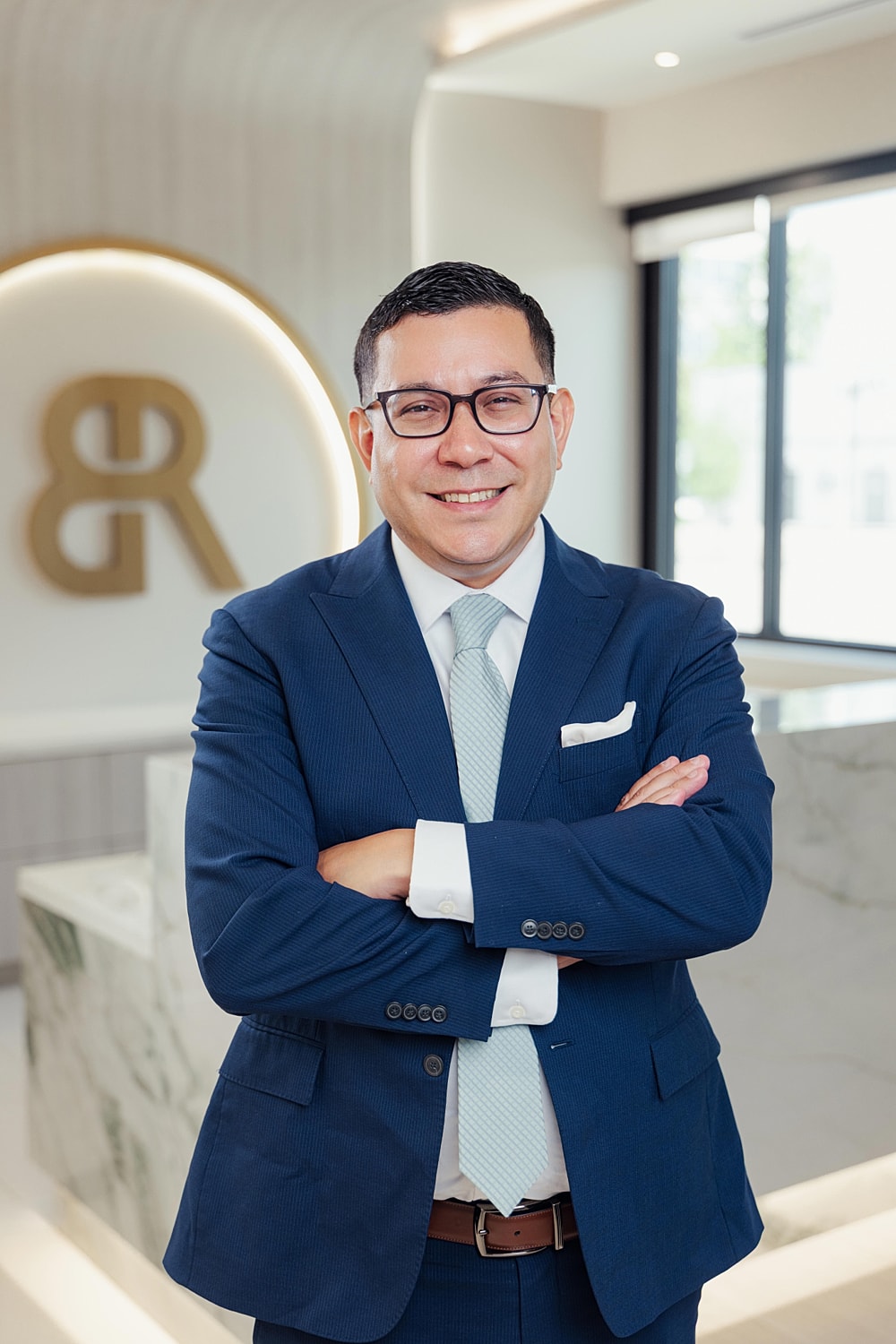
To schedule a facial fat grafting consultation, contact Dr. Mathew Moreno’s Houston office by phone or submit the secure consultation request form on this page. A patient coordinator can arrange the appointment and explain what information to prepare.
During the consultation, Dr. Moreno will evaluate facial volume, tissue position, skin quality, and donor areas before discussing treatment options. Scheduling a consultation is an educational first step and does not obligate you to proceed.
Before your appointment, consider preparing: