 (281) 242-1061
  Schedule Consultation

Dr. Mathew L. Moreno is an aesthetic surgery fellow with six years of comprehensive integrated plastic surgery training at the University of Kansas Medical Center, including Chief Resident experience in a cosmetic clinic. A mini neck lift can be performed safely in appropriately selected patients, but it still carries surgical risks, including hematoma, infection, scarring, numbness, prolonged swelling, contour irregularity, nerve injury, delayed healing, and anesthesia-related complications.
The term “mini neck lift” does not describe one universally standardized procedure. The exact technique may vary according to skin quality, fat distribution, muscle laxity, lower-face aging, scar placement, and whether liposuction or additional tissue tightening is needed.
Dr. Moreno approaches mini neck rejuvenation with an emphasis on anatomy-based planning, appropriate procedure selection, careful tissue handling, scar placement, and realistic expectations. The goal is not to automatically choose the smallest or most aggressive operation, but to match the scope of treatment to the patient while preserving natural movement, facial balance, and a safe recovery.
A mini neck lift can be safe for appropriately selected patients when the procedure is matched to their anatomy and performed with careful planning, appropriate anesthesia, and structured postoperative care. Potential risks include bleeding or hematoma, infection, numbness, prolonged swelling, scarring, asymmetry, contour irregularities, nerve injury, delayed healing, and anesthesia-related complications.
The safest operation is not necessarily the smallest one. It is the procedure that appropriately addresses the patient’s anatomy without creating unnecessary surgical burden or leaving important problems untreated.
A mini neck lift is a focused surgical approach intended to improve limited neck laxity, under-chin fullness, or early loss of jawline definition. The procedure is usually less extensive than a full neck lift, but the exact technique varies because “mini neck lift” is not one standardized operation.
A mini neck lift works best when the problem is truly limited in scope. Patients with more advanced laxity may benefit from a broader operation rather than an underpowered procedure.

A mini neck lift is generally well tolerated in healthy, appropriately selected patients, but no neck-lift procedure is completely risk-free. Safety depends on medical history, blood pressure, medications, nicotine exposure, anatomy, procedure extent, and postoperative care.
The word “mini” should not be interpreted as “minor” or “risk-free.” Even a focused neck procedure requires proper surgical planning and recovery.
The most common early concerns after a mini neck lift include swelling, bruising, tightness, firmness, temporary numbness, and mild asymmetry. Many of these are expected parts of healing rather than true complications.
These changes generally improve as swelling decreases and the tissues soften. Patients should report symptoms that become sudden, severe, increasingly painful, or clearly different from the expected recovery pattern.

More serious mini neck lift complications are less common but can require prompt evaluation or treatment. These may include significant bleeding, infection, tissue-healing problems, persistent nerve injury, severe asymmetry, or anesthesia-related complications.
Rare complications may also include blood clots or cardiopulmonary problems, depending on patient health and the surgical setting. Understanding these risks helps patients make an informed decision rather than assuming a smaller operation has no meaningful complications.
Most appropriately selected neck lift patients recover without a major complication, but published complication rates vary because “neck lift” includes many different procedures and surgical techniques. A mini neck lift may involve a different risk profile than a full neck lift, platysmaplasty, facelift-neck lift combination, or isolated liposuction.
Population-level data can help patients understand general trends, but it cannot replace individualized risk assessment. A consultation provides more meaningful information about how medical history and anatomy affect one patient’s risk.
A hematoma is a collection of blood beneath the skin and is one of the most important early complications to recognize after neck lift surgery. It may cause rapid swelling, pressure, bruising, pain, or a sudden change in neck contour.
Patients should follow medication and activity instructions carefully after surgery. Sudden neck swelling, rapidly increasing pressure, or a dramatic change in contour should be evaluated quickly.

A mini neck lift is performed near sensory and motor nerves, so nerve injury is a recognized although uncommon risk. Temporary irritation can cause numbness, tingling, weakness, or movement changes, while persistent motor nerve problems are less common.
The distinction between temporary nerve irritation and persistent injury is important. Careful anatomical planning and tissue handling help reduce risk, but they cannot eliminate it completely.

Temporary changes in neck sensation and movement are common because swelling, tissue tightening, and incision healing can make the area feel stiff or unfamiliar. These changes often improve gradually as inflammation decreases and the tissues relax.
Most sensation and movement changes improve over time. Severe pain, rapidly worsening tightness, or new weakness should be reported promptly.
Uneven contours or residual banding can occur when swelling resolves asymmetrically, when the underlying muscle remains lax, or when the limited scope of a mini procedure does not fully correct the neck. This is one reason proper patient selection matters so much.
Temporary unevenness is common during healing and should not be judged too early. Persistent banding or contour irregularity may require further evaluation once swelling has settled.
Mini neck lift scars are usually placed around natural creases near the ears or beneath the chin, depending on the surgical plan. Scar appearance depends on incision placement, skin quality, tension, healing response, nicotine exposure, and postoperative care.
Well-planned scars usually become less noticeable with time, but no incision is completely scar-free. Patients should allow the healing process to mature before judging final scar quality.
A good candidate is generally a healthy adult with early to moderate neck laxity, localized under-chin fullness, mild banding, or reduced jawline definition who does not require a more extensive lift. Skin elasticity, medical health, and realistic expectations are key considerations.
Chronological age alone does not determine candidacy. The quality and distribution of neck aging matter more than a patient’s birth date.

A full neck lift may be more appropriate when the degree of skin laxity, platysma weakness, or lower-face aging exceeds what a mini procedure can reliably correct. In those situations, choosing a limited operation may lead to under-correction or a less balanced result.
A more comprehensive operation is not automatically less appropriate simply because it is larger. The safest and most predictable approach is the one that adequately treats the actual anatomy.
Some patients have higher surgical risk because of medical conditions, medications, lifestyle factors, or previous procedures. These issues do not always rule out surgery, but they may require optimization, further evaluation, or a change in timing.
Large weight fluctuations and unrealistic expectations can also affect candidacy and long-term satisfaction. Honest disclosure during consultation helps the surgical team plan more safely.

Dr. Moreno helps reduce mini neck lift risks through detailed patient evaluation, careful procedure selection, anatomy-based planning, and structured postoperative care. His six years of integrated plastic surgery residency training at the University of Kansas Medical Center, including Chief Resident experience in a cosmetic clinic, provide a strong foundation for evaluating the relationship between the jawline, chin, neck, lower face, skin laxity, fat distribution, and platysma anatomy.
Dr. Moreno is currently completing an Aesthetic Surgery Fellowship at Aristocrat Plastic Surgery and serves as a Clinical Assistant Professor of Surgery at SUNY Downstate Health Sciences University. No technique can eliminate surgical risk completely, but appropriate patient selection, careful planning, and attentive postoperative follow-up can help reduce avoidable complications.

Patients can reduce avoidable risk by preparing their health, medications, lifestyle, and recovery environment before surgery. Good preparation supports safer anesthesia, better circulation, wound healing, and a smoother early recovery.
Patients should not stop prescription medications without guidance from the appropriate medical provider. Clear communication before surgery helps the team identify and manage preventable risk factors.
Mini neck lift recovery usually involves temporary swelling, bruising, tightness, firmness, and numbness around the neck and jawline. Most patients improve steadily over the first few weeks, although deeper tissue healing and scar maturation continue for several months.
Patients often look socially recovered before the neck feels completely normal. The final result should be judged after swelling, firmness, and scar changes have had time to settle.
Mini neck lift recovery progresses gradually as swelling resolves, movement improves, and the tissues soften. The exact timeline depends on the extent of correction, whether liposuction or platysma work was included, and how the individual patient heals.
Recovery should be measured in stages rather than by one fixed date. Feeling better does not always mean the deeper tissues have finished healing.
Firm or uneven swelling under the chin can develop because fluid, inflammation, and early scar tissue collect in a relatively small and mobile area. This is common during early healing and usually improves as the tissues soften.
Temporary firmness does not necessarily mean the final contour will be uneven. Rapidly enlarging, painful, hot, or strongly one-sided swelling should be reported promptly.
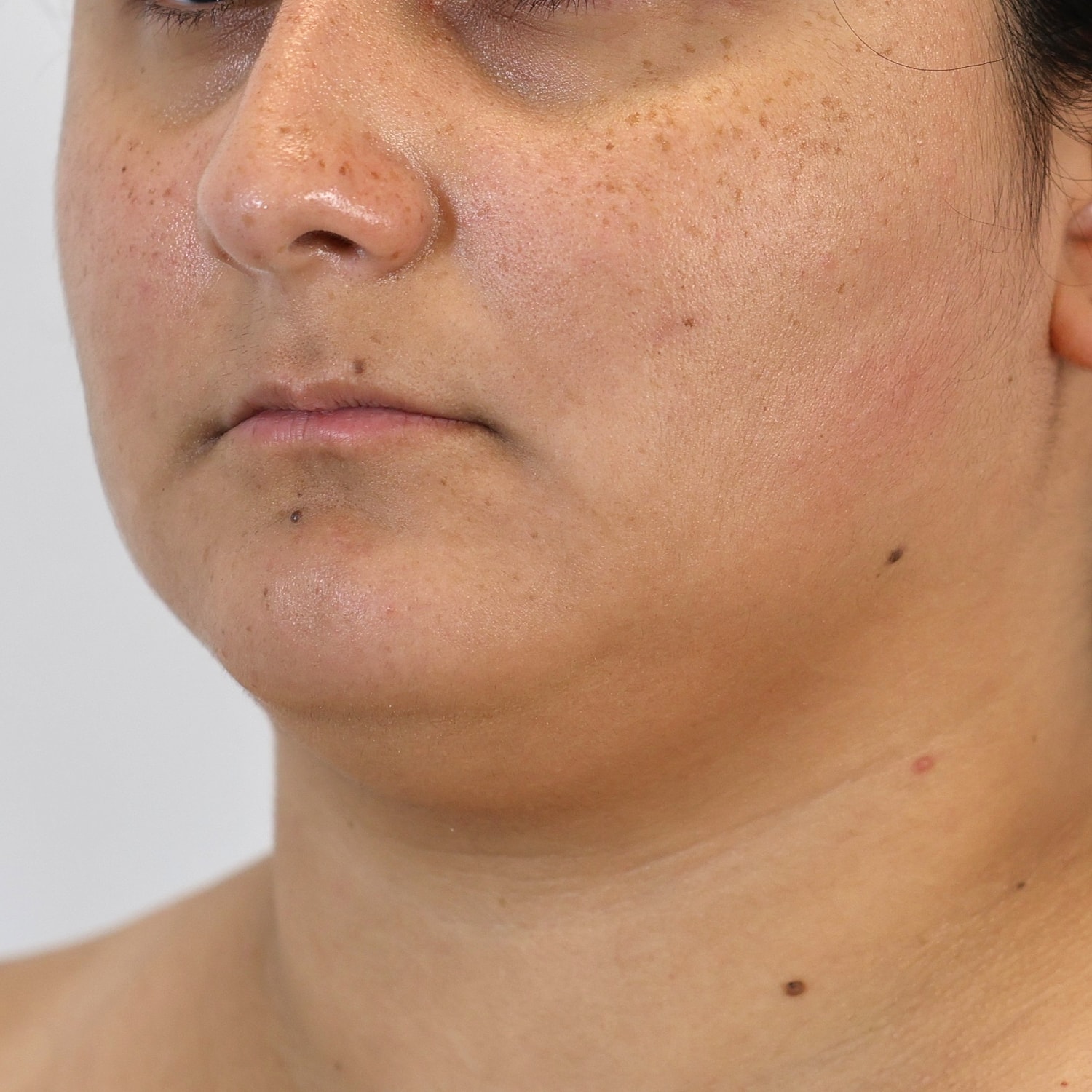
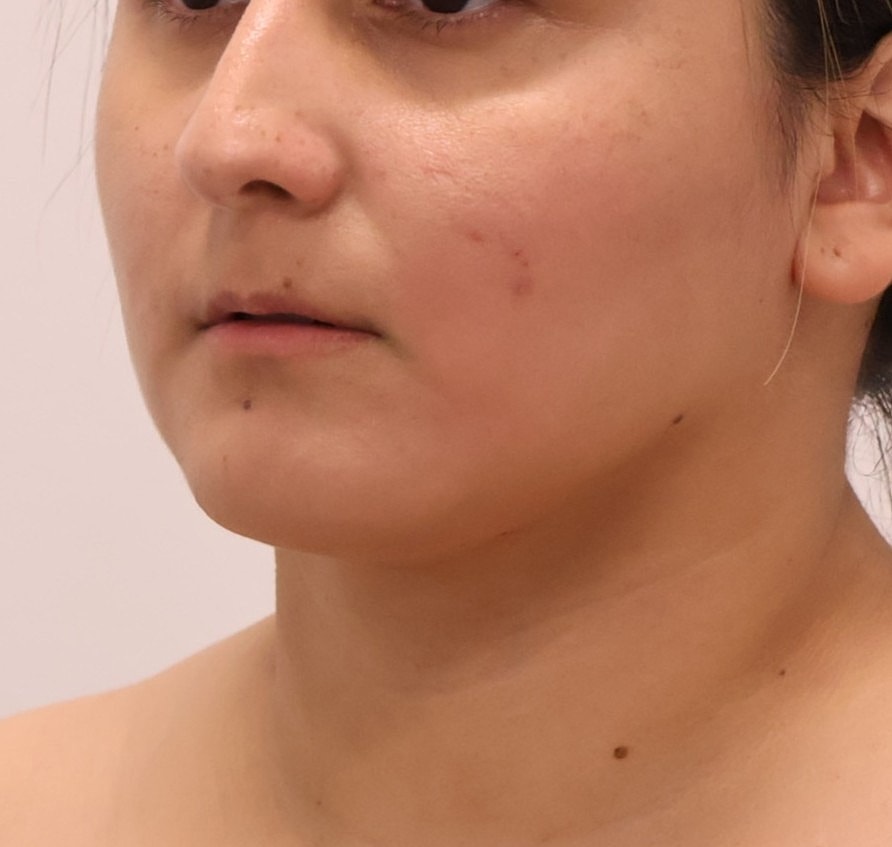
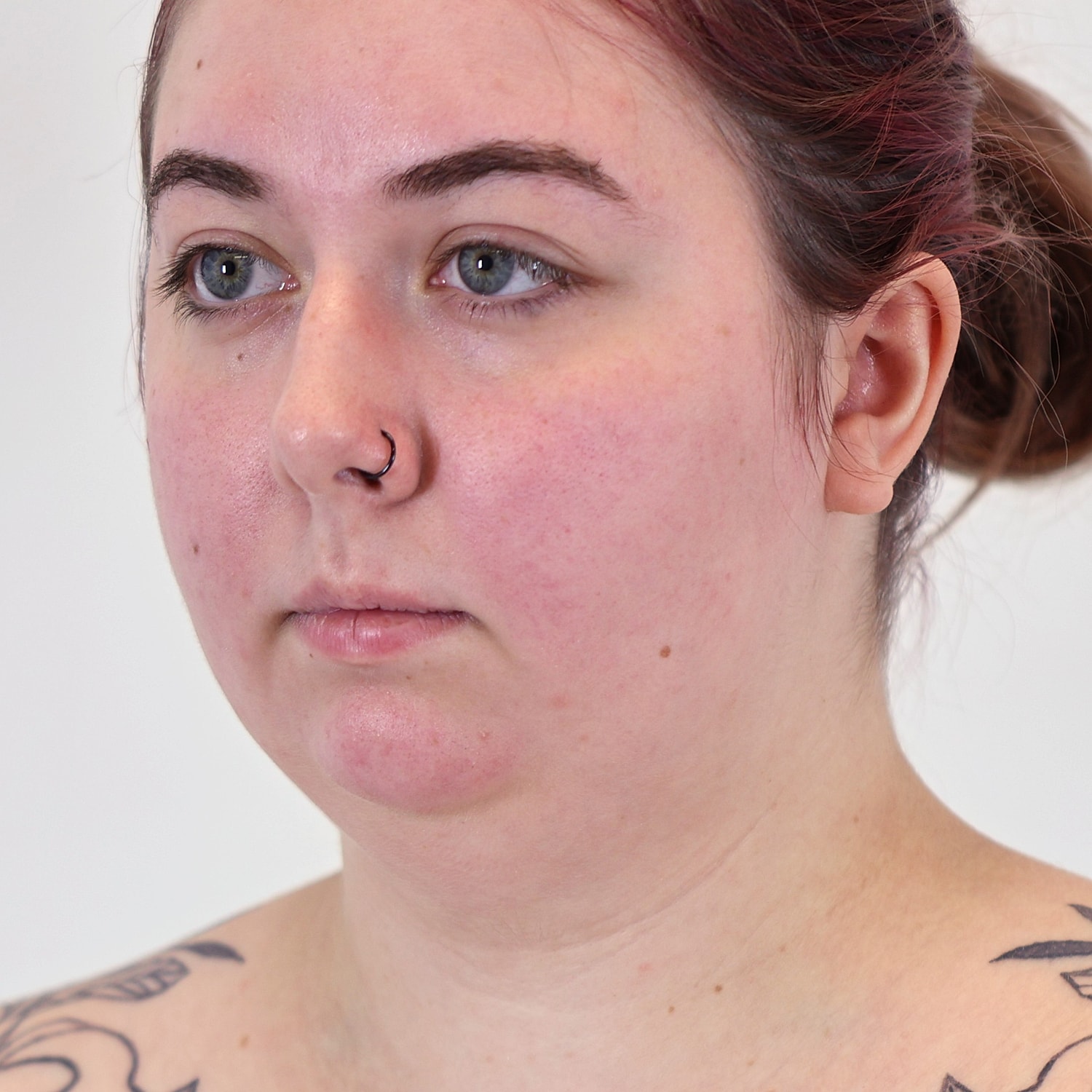
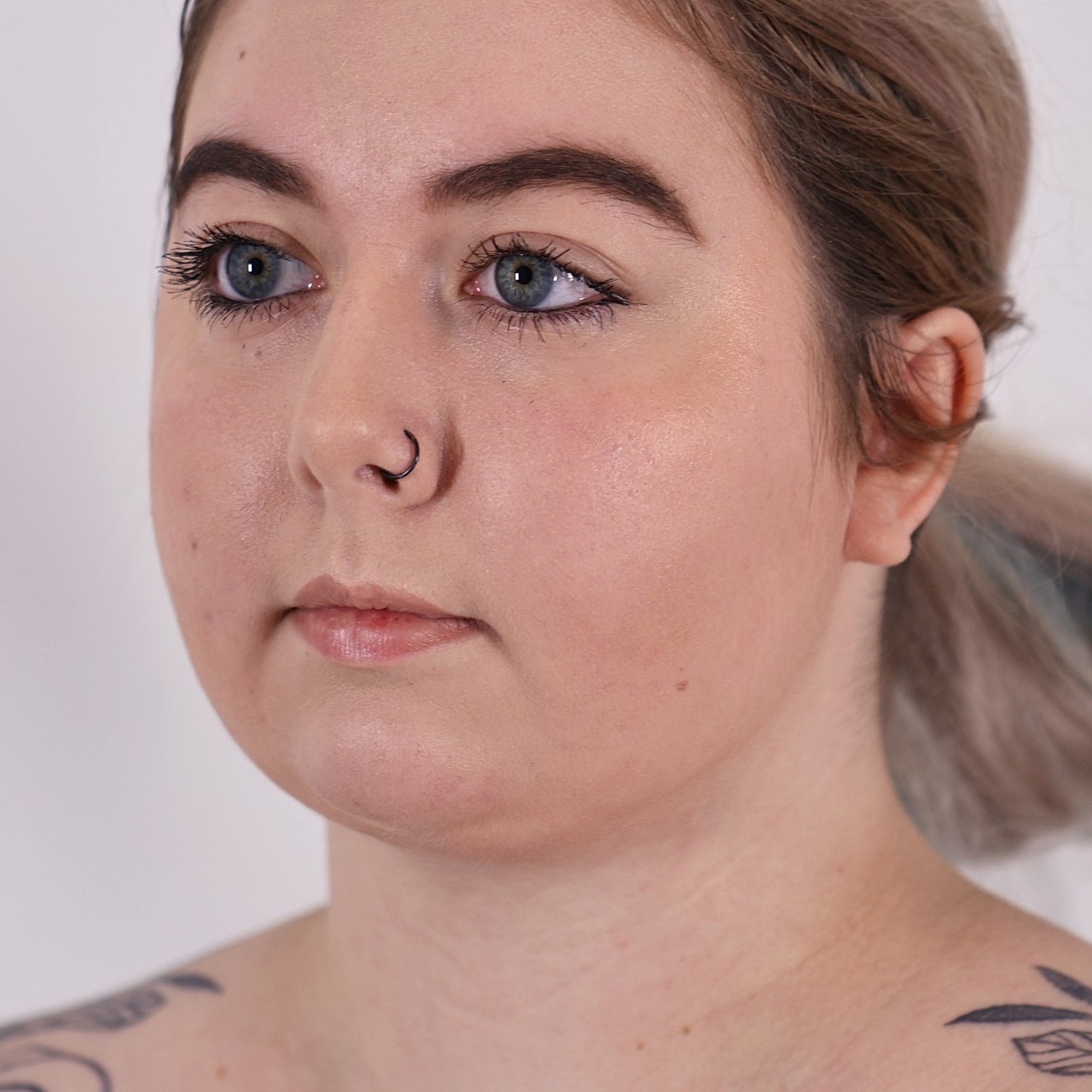
Most early symptoms are part of normal recovery, but certain changes require prompt evaluation because they may signal bleeding, infection, wound problems, or another complication. Patients should contact the surgical team when symptoms become sudden, severe, progressively worse, or clearly different from their expected recovery.
Contact the surgical team promptly for:
Seek emergency medical attention for:
It is better to report a concerning symptom early than to wait for it to worsen. Prompt communication helps distinguish normal postoperative changes from complications that require treatment.

The neck usually begins to look smoother as swelling decreases, firmness softens, and the tissues settle into their new position. Many patients notice early improvement within several weeks, but the final contour may continue refining for months.
Patients should avoid judging the result too early or in positions that naturally bunch the neck. The most accurate assessment comes after swelling has significantly decreased and the tissues have relaxed.
Mini neck lift results can provide long-lasting improvement, but surgery does not stop aging. The durability of the result depends on skin quality, weight stability, sun exposure, nicotine use, and the extent of correction performed.
Results should not be reduced to one guaranteed number of years. Patients generally continue aging from a more refined starting point after surgery.
Alternatives may be appropriate when the primary concern is fat, mild skin laxity, lower-face aging, or a preference to avoid surgery. The best option depends on the actual anatomical cause of the neck concern.
No single alternative works for every neck concern. A consultation helps determine whether fat, loose skin, platysma laxity, or lower-face descent is the main issue.
Neck liposuction can improve localized fat beneath the chin, but it does not directly remove significant loose skin or correct advanced platysma banding. It works best when skin elasticity is good enough to contract after fat reduction.
Liposuction may be a better option for younger patients with isolated fullness and good skin quality. It is less effective when skin and muscle laxity are the primary problems.
Nonsurgical treatments may improve mild skin quality or modest laxity, but they generally cannot reproduce the tissue repositioning achieved with surgery. Their role is usually best for early aging, maintenance, or patients who are not ready for an operation.
Patients should be cautious of claims that a nonsurgical treatment offers the same result as a neck lift. The appropriate choice depends on anatomy and the degree of correction needed.
A mini neck lift may be worthwhile for patients who want a cleaner jawline-neck transition, less under-chin fullness, or improvement in early laxity without undergoing a more extensive operation than necessary. The decision should depend on whether the expected improvement justifies surgery for that individual patient.
The best candidates understand that a mini neck lift offers focused improvement rather than dramatic transformation. Satisfaction is highest when the scope of surgery matches the patient’s anatomy and goals.
A mini neck lift can be performed safely in appropriately selected patients, but it remains a surgical procedure with real risks. Potential complications include hematoma, infection, scarring, numbness, prolonged swelling, asymmetry, contour irregularity, nerve injury, delayed healing, and anesthesia-related concerns.
The safest mini neck lift is not necessarily the smallest operation. It is the procedure that appropriately addresses the patient’s anatomy while balancing meaningful improvement, natural movement, and long-term facial harmony.
Tightness can happen because swelling, tissue healing, and internal support temporarily limit how freely the neck moves. This usually improves as inflammation settles and the tissues soften.
Yes, swelling and early scar tissue can feel firm or lumpy under the chin during recovery. This often softens gradually, but painful, enlarging, or one-sided swelling should be reported.
Early swelling can settle differently from one side to the other, especially under the chin and along the jawline. Side-profile photos can exaggerate temporary asymmetry before the neck contour has refined.
Some patients may notice temporary tightness or awareness when swallowing because the neck tissues are swollen and healing. Difficulty breathing, severe throat tightness, or worsening swallowing trouble should be reported promptly.
Swelling can increase later in the day because of activity, gravity, salt intake, and fluid retention. The jawline usually becomes clearer as swelling decreases and tissues settle.
Compression that is too tight, folded, or poorly positioned can irritate skin and create uncomfortable pressure. Support should be worn only as directed by Dr. Moreno’s team.
Looking down naturally bunches the neck skin and can make early swelling look worse. Neck lift results are better judged once swelling has settled and the neck is viewed in relaxed, neutral positions.
Dr. Mathew Moreno brings a strong foundation in integrated plastic surgery, aesthetic surgery, academic medicine, and clinical research to facial and neck rejuvenation. He completed six years of integrated plastic surgery residency training at the University of Kansas Medical Center, including Chief Resident experience in a cosmetic clinic where he performed aesthetic procedures under attending oversight.
His background includes:
Dr. Moreno’s approach emphasizes matching the procedure to the patient’s actual anatomy rather than choosing a “mini” operation simply because it sounds less invasive. Surgical recommendations should reflect the degree of skin laxity, platysma involvement, under-chin fullness, lower-face aging, scar considerations, health status, and the patient’s goals.

A private consultation is the best way to determine whether a mini neck lift is appropriate for your anatomy, health, and goals. The evaluation should consider skin laxity, under-chin fat, platysma banding, jawline definition, lower-face aging, scar placement, alternatives, and recovery expectations.
During consultation, Dr. Moreno can evaluate whether a focused mini neck lift is likely to provide adequate correction or whether another approach would better address the underlying anatomy. For some patients, alternatives such as neck liposuction may be sufficient, while patients with greater skin or muscle laxity may require a more comprehensive surgical approach.
Schedule a consultation with Dr. Moreno at Body by Ravi Plastic Surgery & Associates in Houston, TX, to explore whether a mini neck lift, full neck lift, neck liposuction, or another facial rejuvenation option may provide an appropriate balance of improvement, recovery, and long-term facial harmony.





Dr. Ravi Somayazula is a nationally recognized, board-certified plastic surgeon serving Houston and the surrounding communities. Known for his refined surgical technique and natural-looking results, Dr. Ravi specializes in advanced body contouring procedures, including his signature SMART Tummy Tuck.
Patients choose Dr. Ravi for his thoughtful, personalized approach and his commitment to both safety and experience. Procedures are performed in his private, nationally accredited QUAD A surgical suite alongside board-certified physician anesthesiologists, ensuring the highest level of care from consultation through recovery.
With over a decade of experience and thousands of successful outcomes, Dr. Ravi combines surgical precision with an elevated, patient-centered experience—helping each individual feel confident, informed, and beautifully themselves
YOUR NEXT STEPS TOWARD A CONFIDENT TRANSFORMATION
Choosing the right plastic surgeon is one of the most important decisions you’ll make. We encourage you to take the time to fully understand your options and feel confident in your choice.
Your consultation is a personalized, one-on-one experience designed to understand your goals and create a tailored treatment plan.
A little preparation can help you get the most out of your consultation and feel fully confident in your next steps.