 (281) 242-1061
  Schedule Consultation

Mini neck lift recovery is often more manageable than patients initially imagine, but understanding what happens during the healing process can make the experience feel more predictable. At Body by Ravi Plastic Surgery & Associates in Houston, TX, Dr. Mathew Moreno approaches facial and neck rejuvenation with an emphasis on individualized planning, thoughtful tissue management, and natural-looking results. His aesthetic philosophy is centered on restoration, not transformation, with the goal of helping patients look refreshed and more defined without appearing overdone.
Patients interested in a mini neck lift may be bothered by fullness beneath the chin, early loss of jawline definition, mild skin laxity, or other changes that make the lower face and neck appear heavier or older. Recovery is an important part of the overall surgical experience because swelling, firmness, bruising, and temporary changes in sensation can initially obscure the final contour. Understanding the expected recovery timeline can help patients prepare appropriately while allowing the neck to heal and gradually reveal its improved shape.
A mini neck lift is a more focused approach to neck rejuvenation intended for appropriately selected patients who do not necessarily require the extent of correction associated with a traditional neck lift or facelift. Dr. Moreno's documented minimally invasive neck lift approach is particularly relevant for younger patients, approximately ages 35 to 45, who have submental fullness and early changes in neck definition. However, chronological age alone does not determine candidacy. Skin quality, fat distribution, underlying anatomy, facial proportions, and the patient's goals are more important considerations.
Dr. Moreno's minimally invasive neck rejuvenation approach may incorporate chin liposuction, energy-based skin tightening with Renuvion or FaceTite, filler when appropriate, and suture-based myotomy and suspension. These techniques can address several contributors to a poorly defined neck rather than assuming every patient has the same problem. Patients with more substantial skin laxity, deeper structural aging, or significant platysmal changes may require a more comprehensive neck lift instead. A consultation allows Dr. Moreno to determine which approach is appropriate for the anatomy in front of him.
A mini neck lift may address:
Treatment may incorporate:


Recovery varies because a mini neck lift is not identical for every patient. The amount of liposuction performed, the type of skin tightening used, the extent of structural correction, and individual healing characteristics can all influence the timeline. Swelling and bruising are generally most apparent during the first several days and then progressively improve. Many patients begin feeling more comfortable with work and social activities within approximately one to two weeks, although some will need additional time.
Looking socially presentable does not mean the neck has finished healing. Subtle swelling, firmness, tightness, altered sensation, and tissue remodeling may continue for weeks or months. The contour typically becomes more refined as swelling subsides and tissues settle. Dr. Moreno evaluates recovery according to each patient's progress rather than expecting everyone to reach the same milestones on an identical schedule.
A general recovery progression may include:
Recovery can be influenced by:
The first week is primarily about protecting the treated tissues and allowing early healing to occur. Swelling, bruising, tenderness, tightness, and stiffness can develop beneath the chin and throughout the treated neck. Some patients experience temporary numbness or altered sensation as well. The neck may initially appear uneven because swelling rarely resolves perfectly symmetrically. These early changes should not be interpreted as the final surgical result.
Activity is intentionally limited during this period. Patients should follow Dr. Moreno's individualized instructions regarding sleeping position, incision care, bathing, postoperative support, medications, and activity. Gentle walking may be encouraged to maintain circulation, but strenuous exercise, heavy lifting, and movements that unnecessarily strain the neck should be avoided until appropriate. Patients should contact the practice if they develop symptoms that fall outside the expected recovery discussed before surgery.
During Week 1, patients may be instructed to:
Expected temporary changes may include:
During the second week, many patients notice a meaningful improvement in comfort and appearance. Bruising may fade substantially, and decreasing swelling can begin revealing improved definition beneath the chin and along the jawline. Patients who work in an office or remotely may feel ready to return to work around this period, although the appropriate timing depends on the procedure performed, healing progress, and how comfortable the patient feels being seen by others.
It remains important not to confuse feeling better with being completely healed. Deeper tissues continue recovering after visible bruising has improved. Mild swelling can fluctuate, particularly after increased activity, and temporary firmness or numbness may persist. Dr. Moreno's patient-care philosophy emphasizes communication and realistic expectations, making postoperative follow-up important for determining when activities can safely be advanced.
Patients may begin returning to:
Changes that may still be present include:
By weeks three and four, many patients feel considerably more like themselves. Swelling continues to resolve, tissues begin to soften, and improvements in the transition between the jawline and neck may become increasingly apparent. For patients treated for submental fullness, the reduction in swelling can make the lower facial contour appear progressively cleaner and better defined. The result is still developing, however, and minor fluctuations in appearance remain possible.
Patients may gradually return to more activities as Dr. Moreno clears them to do so. The timing of exercise depends on the extent of treatment and individual healing. Increasing activity too quickly can aggravate swelling or place unnecessary stress on recovering tissues. This stage therefore involves balancing the desire to resume normal life with continued respect for the biological healing process.
Improvements patients may notice include:
Patients may still need to limit:
During months two and three, the neck generally begins looking and feeling increasingly natural. Residual swelling becomes less noticeable, areas of firmness continue softening, and the relationship between the chin, jawline, and neck becomes easier to evaluate. Although patients often appreciate their improvement well before this stage, later healing allows subtler aspects of the result to emerge as tissues continue adapting to their new position and contour.
This gradual refinement aligns with Dr. Moreno's broader philosophy of restoration rather than transformation. His goal with facial rejuvenation is not to create a dramatically different face or an excessively tight appearance. Instead, treatment is planned to respect the patient's anatomy and existing features while improving the concerns that brought the patient to consultation. Healing should therefore be viewed as a progression rather than a single moment when the result suddenly becomes final.
During this stage, patients may notice:
Long-term healing involves:

Postoperative compression may be recommended for some patients depending on the exact techniques used. A patient undergoing chin liposuction and skin tightening, for example, may have different postoperative requirements from someone undergoing another form of neck rejuvenation. When compression is prescribed, it can provide support to the treated area and may assist with postoperative swelling while tissues begin healing.
Patients should not assume that wearing a tighter garment or using compression for longer than instructed will improve their result. Excessive or incorrectly positioned pressure may be counterproductive. Dr. Moreno provides recommendations based on the operation performed and the patient's individual anatomy. The appropriate garment, fit, duration, and wearing schedule should therefore come directly from the surgical team.
When prescribed, compression may help:
Patients should understand:
The location and extent of incisions depend on the type of neck rejuvenation being performed. A minimally invasive treatment may require different access points than a more comprehensive neck lift. When incisions are necessary, planning considers both the access required to perform the procedure effectively and the goal of keeping scars as discreet as reasonably possible. During consultation, patients should understand where their anticipated incisions will be rather than relying on a generic description of a mini neck lift.
Scar maturation occurs gradually. Early scars can appear pink, firm, raised, or more noticeable before becoming softer and less conspicuous with time. Genetics, skin type, incision tension, sun exposure, nicotine, and individual healing tendencies can all affect scar appearance. Patients should follow Dr. Moreno's specific incision-care instructions and discuss scar treatments with the practice before introducing products or procedures on their own.
Factors influencing scar healing include:
Scar management may include:
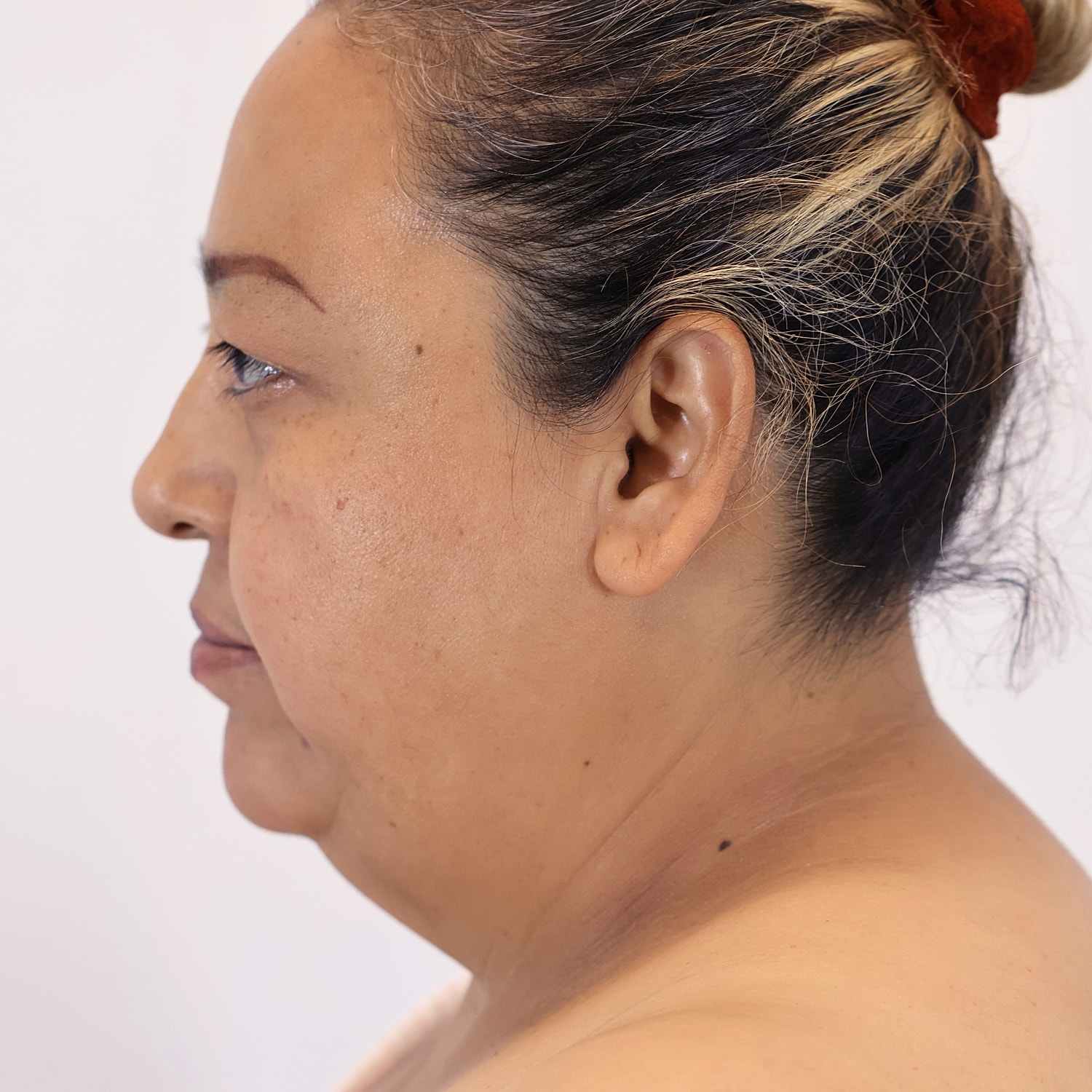
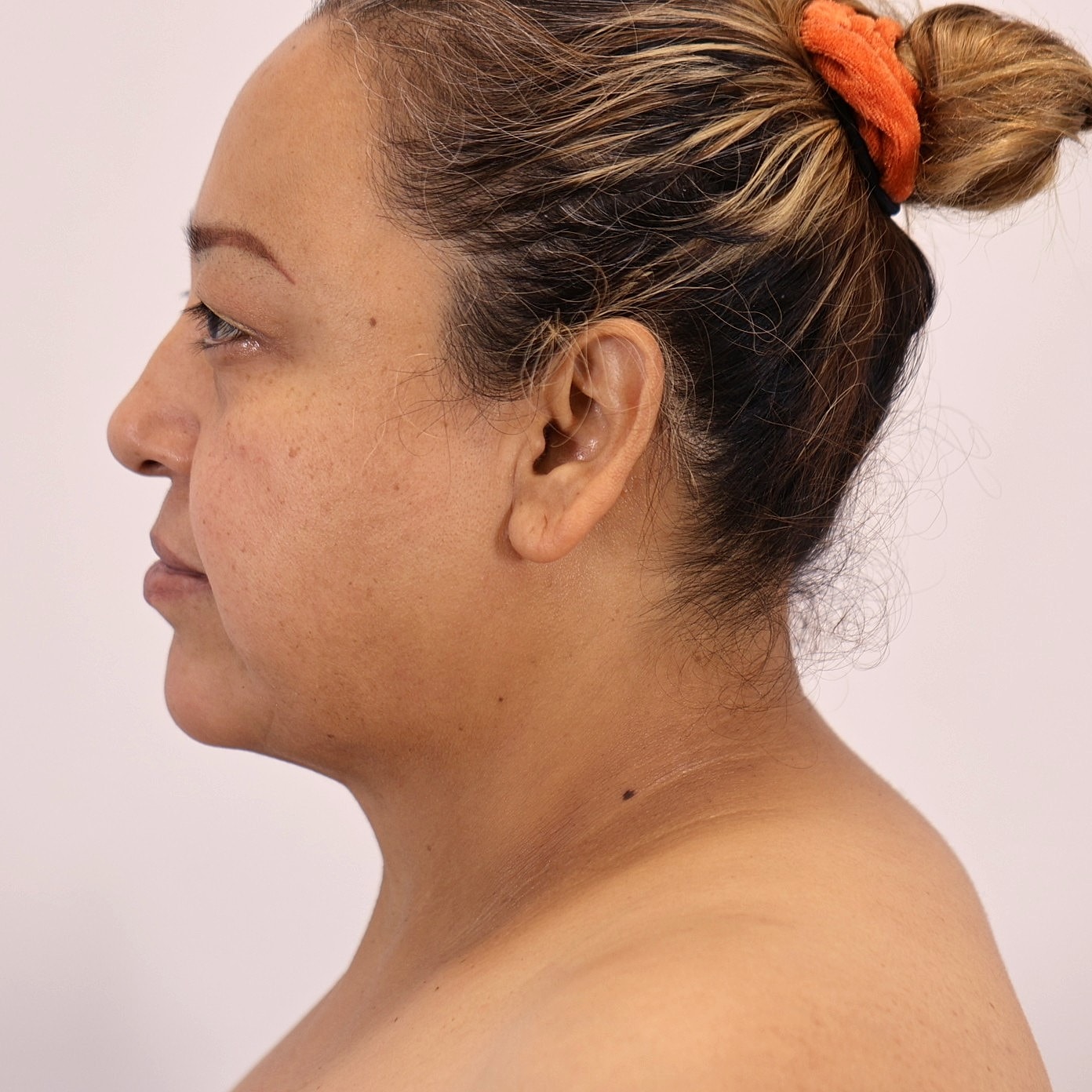
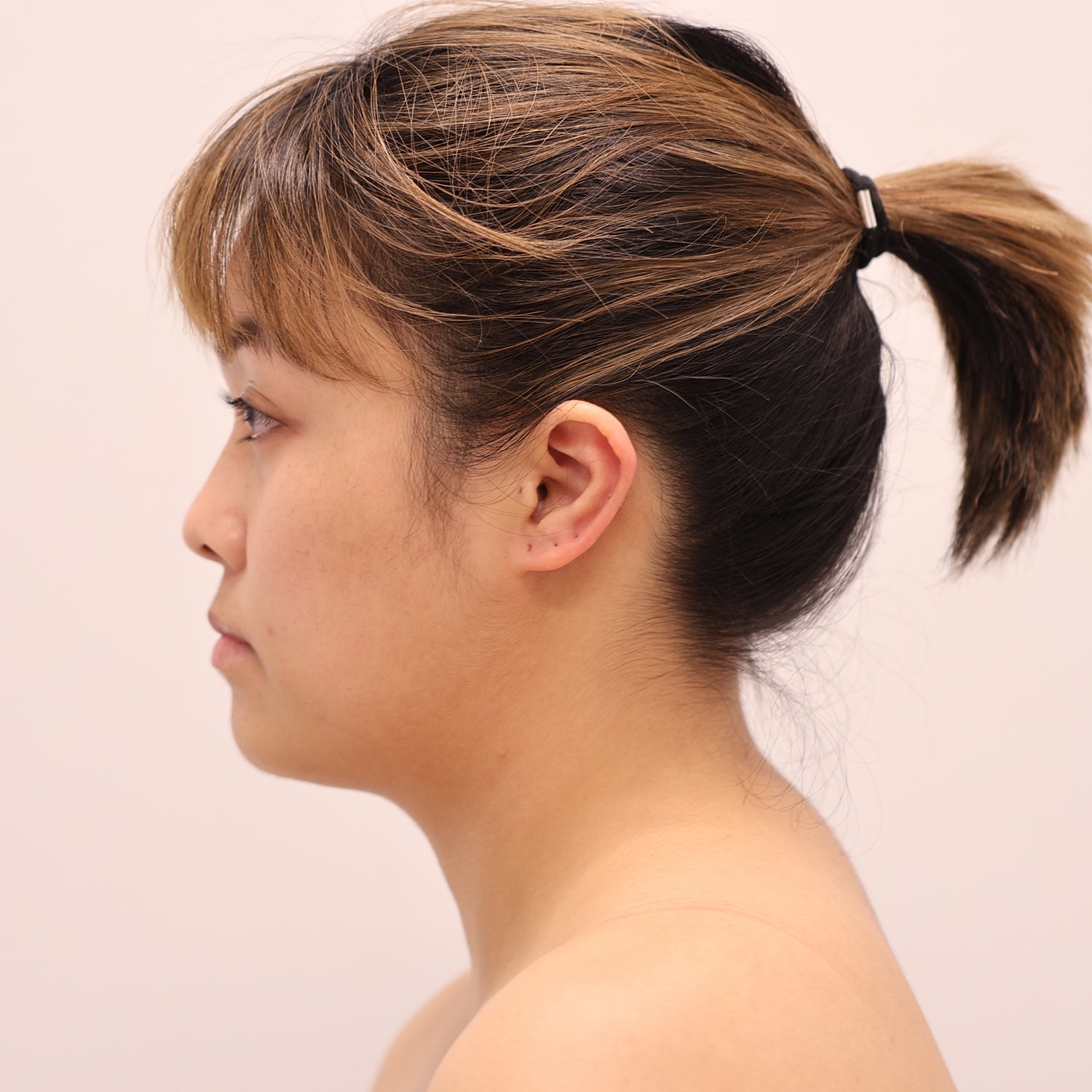

Swelling is a normal response to surgery and can temporarily make the neck look fuller or less symmetrical than expected. Bruising may occur beneath the chin or extend through portions of the neck depending on the treatment performed. Tightness is also common as tissues respond to liposuction, skin tightening, or suspension. These changes generally improve progressively rather than disappearing overnight.
Temporary numbness, tingling, firmness, or altered sensation may also occur during recovery. Patients can become concerned when one area feels different from another or when the contour changes from morning to evening. While many fluctuations are part of normal healing, postoperative concerns should be communicated to Dr. Moreno's team rather than diagnosed through photographs or another patient's online recovery experience.
Ways patients can support recovery include:
Patients should remember that:

Exercise restrictions protect healing tissues during the period when patients may otherwise feel well enough to become overly active. Gentle walking is generally very different from weightlifting, running, high-intensity interval training, or activities that substantially elevate blood pressure. Even if external incisions look good, deeper tissues may still be healing, so returning to strenuous exercise should be based on surgical clearance rather than comfort alone.
Dr. Moreno evaluates recovery individually and can advise when different forms of exercise may be resumed. Patients who normally train intensely should discuss their routine before surgery so expectations can be established in advance. A temporary reduction in exercise is a small part of the overall recovery and should not be rushed at the expense of healing.
Early activity may include:
Until cleared, patients may need to avoid:
Sleeping comfortably can require some adjustment during early recovery. Patients may be instructed to maintain an elevated head position to help manage swelling and avoid unnecessary pressure on the treated neck. Someone accustomed to sleeping on the stomach or side may find this challenging, so preparing an appropriate sleeping arrangement before surgery can make the first several nights easier.
Sleep recommendations vary with the procedure, and patients should follow the positioning instructions provided by Dr. Moreno rather than creating their own postoperative routine. Pillows or other supportive arrangements may help patients remain comfortably positioned. Good-quality sleep is also valuable during recovery because the body needs adequate rest while healing.
Helpful preparation may include:
During early recovery, patients should:
One of the most common recovery mistakes is doing too much because discomfort has improved. A patient may feel capable of exercising, lifting, traveling, or returning immediately to a busy schedule while the tissues beneath the skin are still healing. Protecting the surgical result requires following activity restrictions even when recovery seems to be progressing quickly.
Another mistake is evaluating the final result prematurely. Swelling, firmness, bruising, and temporary asymmetry can influence appearance for weeks. Comparing progress with photographs of another patient's recovery can also create unnecessary anxiety because procedures and healing patterns differ. Dr. Moreno emphasizes individualized care, and questions about recovery are best addressed through the surgical team familiar with the patient's operation.
Common mistakes include:
Patients should also avoid:

Dr. Mathew Moreno completed six years of integrated plastic surgery residency training at the University of Kansas Medical Center and subsequently completed a 12-month aesthetic surgery fellowship at Aristocrat Plastic Surgery in New York. Facial procedures are a particular passion for Dr. Moreno, and his documented Houston procedure scope includes deep plane facelift, neck lift, minimally invasive neck lift, upper and lower blepharoplasty, and brow lift. His minimally invasive neck approach is designed for appropriately selected patients with concerns such as submental fullness and early contour changes.
His aesthetic philosophy emphasizes restraint, proportion, and results that appear natural rather than operated upon. Dr. Moreno describes this as restoration, not transformation. He also approaches consultation as a conversation rather than a sales pitch, listening to the patient's concerns, evaluating the anatomy, explaining realistic expectations, and determining which treatment makes sense. This is particularly important with neck rejuvenation because a minimally invasive procedure is not automatically the correct choice for every patient.
Dr. Moreno's approach emphasizes:
His facial rejuvenation interests include:

Many patients feel comfortable returning to work and light social activities within approximately one to two weeks, although recovery varies depending on the treatment performed and individual healing. Swelling, firmness, and subtle tissue changes can continue improving for several weeks or months.
Patients may experience soreness, tightness, tenderness, swelling, or a feeling of pressure during early recovery. The amount of discomfort varies according to the techniques performed and individual pain sensitivity. Dr. Moreno provides postoperative instructions tailored to each patient's surgical plan and recovery needs.
Swelling is generally most noticeable during the first several days and progressively improves over the following weeks. Some subtle swelling can persist longer, so patients should not judge their final neck or jawline contour too early in the healing process.
Many patients can return to desk-based work and light daily activities within approximately one to two weeks, depending on swelling, bruising, and comfort. Gentle walking may begin earlier when appropriate, but strenuous exercise, heavy lifting, and activities that place significant strain on the neck should wait until Dr. Moreno provides clearance.
Some patients may be instructed to wear a compression garment depending on the techniques used and their individual postoperative plan. When recommended, compression can support treated tissues and help manage early swelling. Dr. Moreno's team will explain whether compression is necessary, how it should fit, and how long it should be worn.
The location and extent of scars depend on the specific neck rejuvenation technique performed. Different procedures require different access points or incisions. Dr. Moreno discusses anticipated incision placement during surgical planning, and scars generally continue to soften and mature over time.
Patients may begin noticing improved neck and jawline definition as early swelling resolves, but the result continues developing as tissues soften and settle. Subtle swelling and tissue remodeling can persist for several months. Dr. Moreno's goal is a natural, refined improvement that complements the patient's existing facial proportions rather than creating an overly tight or operated appearance.
The best way to determine whether a minimally invasive neck lift is appropriate for you is through a personalized consultation with Dr. Mathew Moreno at Body by Ravi Plastic Surgery & Associates in Houston. Dr. Moreno evaluates the neck, jawline, skin quality, submental fullness, facial proportions, and deeper anatomical factors before recommending treatment. Some patients may be good candidates for a minimally invasive approach, while others may achieve a better result from a comprehensive neck lift or another facial rejuvenation procedure.
Dr. Moreno's philosophy is centered on natural, refined outcomes and restoration, not transformation. Your consultation is an opportunity to discuss what concerns you, understand the available options, review realistic expectations, and develop an individualized treatment plan. To learn more about mini neck lift recovery or neck rejuvenation in Houston, contact Body by Ravi Plastic Surgery & Associates at (281) 346-9038 to schedule a consultation with Dr. Mathew Moreno.