 (281) 242-1061
  Schedule Consultation

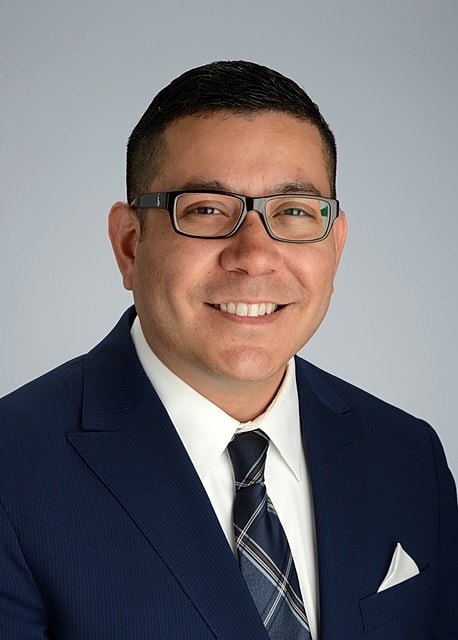
Dr. Mathew L. Moreno is an aesthetic surgery fellow with six years of comprehensive integrated plastic surgery training at the University of Kansas Medical Center, including Chief Resident experience in a cosmetic clinic. A mini facelift can be performed safely in appropriately selected patients, but it still carries real surgical risks, including hematoma, infection, scarring, temporary or persistent sensation changes, facial nerve injury, asymmetry, delayed healing, skin complications, and anesthesia-related concerns.
A mini facelift is generally designed for patients with early to moderate lower-face aging who want improvement in jowling, jawline definition, and facial laxity without undergoing more extensive surgery than their anatomy requires. The goal is not to create a dramatically tighter or obviously operated appearance, but to restore a fresher, more balanced version of the patient’s natural features.
The term “mini facelift” does not refer to a single, universally standardized procedure. Different surgeons may use the term for different incision patterns, levels of tissue repositioning, and treatment areas, which is why the exact surgical plan matters more than the label itself.
Dr. Moreno approaches facial rejuvenation with an emphasis on anatomy-based planning, appropriate procedure selection, conservative tissue handling, scar placement, natural-looking results, and structured recovery. The safest plan is the one that matches the patient’s anatomy, health, aging pattern, and goals rather than simply choosing the smallest available procedure.
A mini facelift can be safe for appropriately selected patients when performed with careful surgical planning, appropriate anesthesia, and structured postoperative care. Potential risks include bleeding or hematoma, infection, scarring, numbness, prolonged swelling, asymmetry, facial nerve injury, skin-healing problems, and anesthesia-related complications.
“Mini” describes the scope of correction rather than guaranteeing a shorter, easier, or risk-free surgical experience. The safest choice is the procedure that appropriately treats the patient’s actual anatomy.
A mini facelift is a focused facial rejuvenation procedure designed primarily to improve early to moderate lower-face laxity, jowling, and loss of jawline definition. The exact technique varies because “mini facelift” is not one standardized operation.
The procedure name matters less than whether the surgical plan actually addresses the patient’s concerns. A mini facelift works best when the aging changes are truly limited enough for a focused approach.
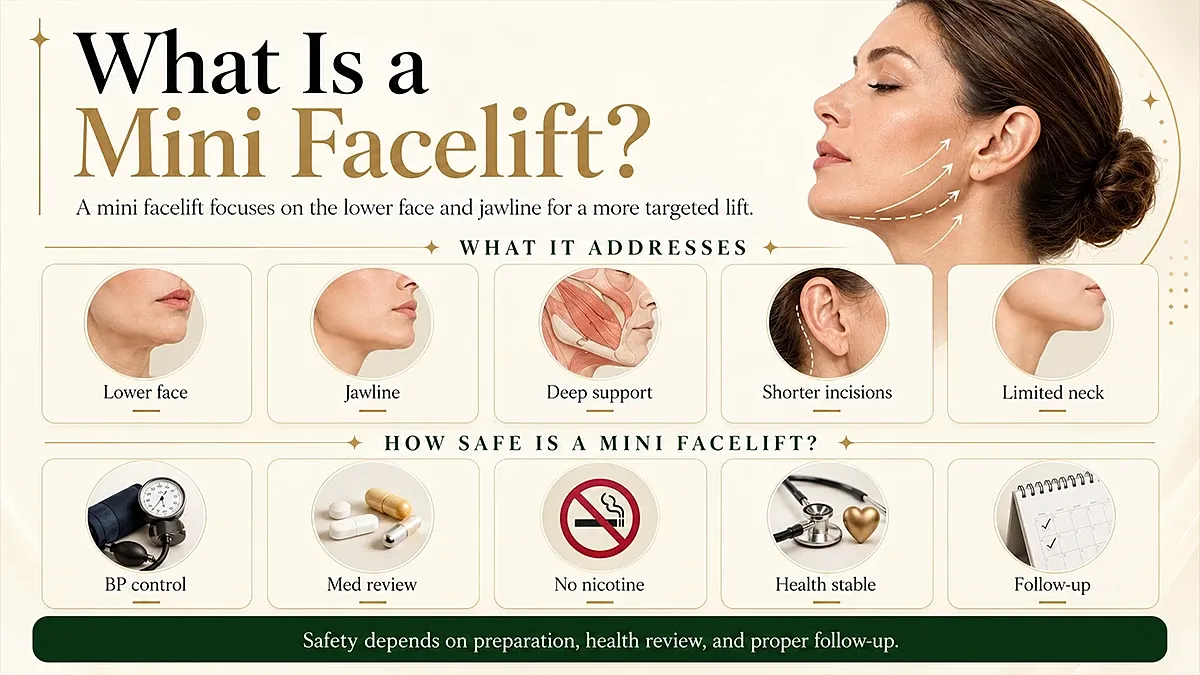
A mini facelift is generally well tolerated in healthy patients who are carefully selected for surgery. Safety depends on medical history, blood pressure, medications, nicotine exposure, anatomy, surgical extent, anesthesia, and the patient’s ability to follow postoperative instructions.
A mini facelift should not be considered risk-free simply because the surgical field may be smaller. The operation still involves incisions, tissue repositioning, anesthesia, and a meaningful healing process.

Common early concerns after a mini facelift include swelling, bruising, tightness, tenderness, temporary numbness, firmness, and mild asymmetry. Many of these are expected postoperative effects rather than complications and usually improve as the tissues settle.
Early healing should not be mistaken for the final result. Patients should be more concerned about symptoms that become sudden, severe, rapidly progressive, or markedly one-sided.
More serious mini facelift complications are less common but can require additional treatment or urgent evaluation. These may involve significant bleeding, infection, skin-healing problems, persistent nerve injury, major asymmetry, or anesthesia-related events.
Rare complications may also include blood clots or cardiopulmonary problems depending on patient health and the surgical setting. Understanding serious risks allows patients to make an informed decision rather than assuming that a limited procedure has no meaningful complications.
Most appropriately selected patients recover without a major complication, but there is no single reliable complication rate that applies to every mini facelift. Published research often combines different facelift techniques, patient populations, incision patterns, and definitions of complications.
Published percentages are useful for understanding general trends but cannot predict an individual patient’s outcome. Personal risk is better assessed through medical history, examination, and discussion of the exact planned procedure.
A hematoma is a collection of blood beneath the skin and is one of the most important early complications after facelift surgery. It can cause sudden swelling, increasing pressure, pain, bruising, or a visible change in facial contour.
Patients should follow medication and activity instructions carefully during early recovery. Rapid one-sided swelling, expanding bruising, or significant pressure should be reported immediately.

Facial nerve injury is a recognized but uncommon risk because facelift surgery takes place near branches that control facial movement. Temporary weakness can also occur from swelling, tissue traction, or nerve irritation and does not always indicate permanent injury.
The distinction between temporary postoperative stiffness and true motor nerve injury is important. Careful anatomical planning and tissue handling help reduce risk but cannot eliminate it completely.
Temporary numbness, tingling, tightness, or stiffness can occur because small sensory nerves and healing tissues are affected during surgery. These symptoms commonly involve the area around the ears, cheeks, jawline, or lower face and often improve gradually.
Sensory recovery is often gradual rather than immediate. Any worsening facial weakness, severe pain, or unexpected movement problem should be discussed with the surgical team.
Temporary asymmetry is common during early recovery because swelling, bruising, tissue firmness, and scar maturation rarely progress at exactly the same rate on both sides. Some natural facial asymmetry may also remain after surgery.
Patients should avoid judging symmetry too early. The jawline and lower face need time to soften and settle before the more stable result can be evaluated.
Mini facelift scars are usually planned around the natural curves of the ear and, depending on the technique, may extend into nearby hairline areas. Scar quality depends on incision placement, tension, skin type, genetics, nicotine exposure, sun exposure, and postoperative care.
Dr. Moreno believes good scars begin in the operating room, with thoughtful placement, careful suturing, and tension management. Postoperative scar care can support healing, but no surgical incision can be made completely invisible.

A good candidate is generally a healthy adult with early to moderate jowling, lower-face laxity, or loss of jawline definition who wants focused improvement rather than comprehensive facial rejuvenation. Good skin quality and realistic expectations also support a more predictable result.
Chronological age alone does not determine candidacy. The location and degree of facial aging matter more than the number of years a patient has lived.

A full facelift may be more appropriate when facial aging extends beyond mild to moderate lower-face laxity and requires broader tissue repositioning. Choosing a mini facelift for advanced aging can lead to under-correction and disappointment.
A more comprehensive procedure is not automatically less appropriate simply because it is larger. The safest and most satisfying approach is the one that adequately treats the anatomy instead of relying on the word “mini.”
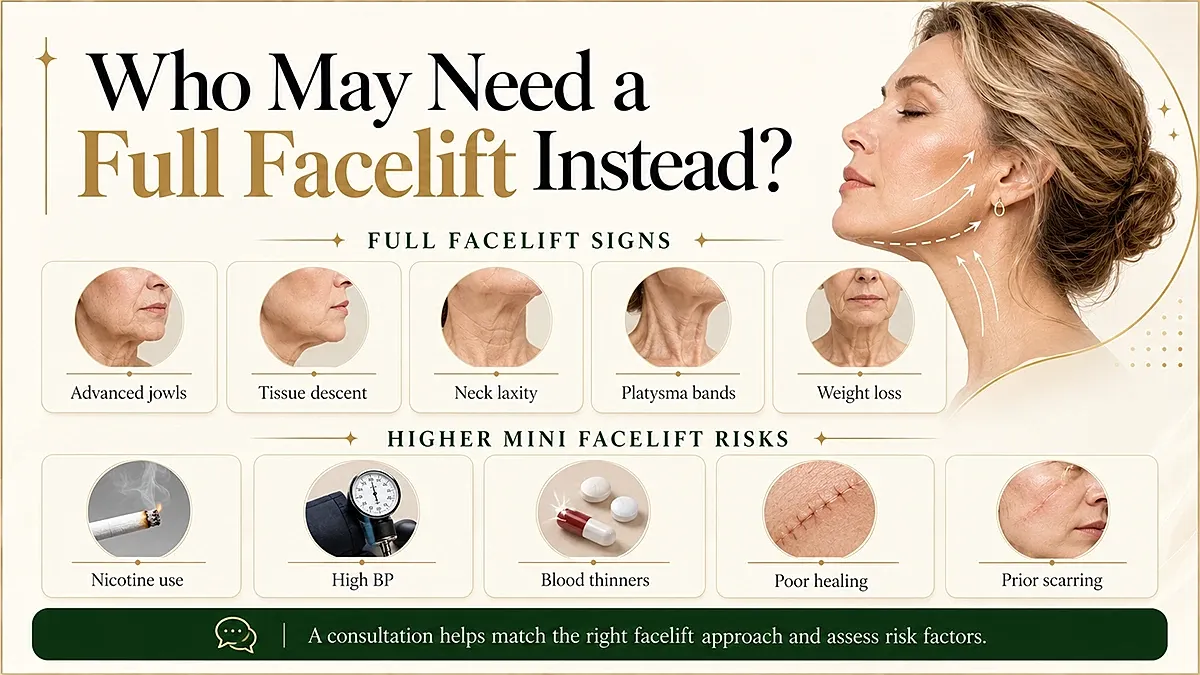
Some patients have higher surgical risk because of medical conditions, medications, nicotine exposure, previous surgery, or healing history. These factors do not always prevent surgery but may require optimization, additional testing, or a different treatment plan.
Weight instability and unrealistic expectations can also affect candidacy and long-term satisfaction. Honest disclosure during consultation gives the surgical team the best opportunity to plan safely.

Dr. Moreno helps reduce mini facelift risks through careful patient selection, anatomy-based planning, conservative tissue handling, and structured postoperative care. His six years of integrated plastic surgery residency training at the University of Kansas Medical Center, including Chief Resident experience in a cosmetic clinic, provide a strong foundation for evaluating lower-face aging, jawline anatomy, skin laxity, facial balance, and the relationship between the face and neck.
Risk reduction starts before the operation and continues through follow-up. No facelift technique can eliminate complications completely, but thoughtful planning can reduce avoidable risk.
Patients can reduce avoidable risk by preparing their health, medications, lifestyle, and recovery environment before surgery. Good preparation supports safer anesthesia, better circulation, wound healing, and a more predictable early recovery.
Patients should not stop prescription medications without guidance from the appropriate medical provider. Clear communication before surgery helps identify risk factors that may need to be addressed first.
Mini facelift recovery usually involves temporary swelling, bruising, tightness, tenderness, numbness, and firmness around the lower face and jawline. Most patients improve steadily over the first few weeks, although deeper tissue healing and scar maturation continue for several months.
Patients often look socially recovered before the tissues have fully settled. The final result should be judged after swelling, firmness, and scar changes have had time to mature.
Mini facelift recovery progresses gradually as swelling resolves, facial movement becomes more natural, and the tissues soften. The exact timeline depends on the surgical technique, the extent of correction, whether the neck is treated, and individual healing.
Recovery should be measured over months rather than days. Feeling better does not mean the deeper tissues have finished healing.
Most early recovery symptoms are temporary, but certain changes require prompt evaluation because they may signal bleeding, infection, nerve problems, or another complication. Patients should contact the surgical team when symptoms become sudden, severe, progressively worse, or clearly different from the expected recovery pattern.
Contact the surgical team promptly for:
Seek emergency medical attention for:
It is better to report a concerning change early than to wait for it to worsen. Prompt communication helps distinguish normal healing from a complication that may require treatment.


A mini facelift usually begins to look more natural as swelling decreases, tightness softens, bruising fades, and the lower face settles into its new contour. Many patients see meaningful improvement within several weeks, but subtle refinement can continue for months.
Patients should avoid judging the result too early or relying heavily on close-up selfies during recovery. The face needs time to soften before the more stable result becomes apparent.
Mini facelift results can provide long-lasting improvement, but surgery does not stop the natural aging process. The durability of the result depends on skin quality, genetics, weight stability, sun exposure, lifestyle, and the extent of correction performed.
Results should not be reduced to one guaranteed number of years. Patients generally continue aging from a more refreshed starting point after surgery.
Alternatives may be appropriate when the primary concern is volume loss, skin quality, neck aging, or a preference to avoid surgery. The best option depends on whether the problem is tissue descent, volume loss, laxity, or another facial change.
No single alternative works for every patient. A consultation helps determine whether surgery or nonsurgical treatment better matches the anatomy and goals.

Injectables can restore selected areas of volume or soften certain facial lines, but they do not surgically reposition descended lower-face tissues. They may be useful for early aging or volume loss, but they are not equivalent to a facelift.
Injectables can complement facial rejuvenation, but they should not be used to imitate a surgical lift when the underlying problem is tissue descent.
Nonsurgical skin-tightening treatments may improve mild laxity or skin quality, but they generally cannot reproduce the tissue repositioning achieved with surgery. Their role is usually best for early aging, maintenance, or patients who are not ready for a facelift.
Patients should be cautious of claims that nonsurgical treatments deliver the same result as facelift surgery. The appropriate choice depends on the degree and cause of facial aging.
Neither a mini facelift nor a full facelift is inherently better because the correct choice depends on the patient’s anatomy and degree of aging. A mini facelift is usually more appropriate for focused lower-face concerns, while a full facelift may be better for more advanced or widespread tissue descent.
| Consideration | Mini Facelift | Full Facelift |
|---|---|---|
| Typical Concern | Earlier lower-face aging | More advanced facial aging |
| Jowls | Mild to moderate | Moderate to advanced |
| Neck Correction | Limited or variable | Can be more comprehensive |
| Surgical Extent | More focused | Broader |
| Recovery | Depends on technique | Depends on technique |
| Best Choice | Anatomy-dependent | Anatomy-dependent |
Swipe sideways to see the full table.
The safest option is the one that adequately treats the problem without unnecessary surgery. Choosing a procedure based on the word “mini” rather than anatomy can lead to under-correction.
A mini facelift may be worthwhile for patients who want a cleaner jawline, softer jowls, and a fresher lower face without undergoing more extensive surgery than necessary. The decision should depend on whether the expected improvement is meaningful enough to justify surgery for that individual patient.
The best candidates understand that a mini facelift offers refinement rather than complete facial transformation. Satisfaction is highest when the scope of surgery matches the patient’s anatomy and expectations.
A mini facelift can be performed safely in appropriately selected patients, but it remains a surgical procedure with real risks. Potential complications include hematoma, infection, scarring, temporary or persistent numbness, facial nerve injury, asymmetry, delayed healing, skin complications, and anesthesia-related concerns.
The safest mini facelift is not necessarily the smallest operation. It is the procedure that appropriately matches the patient’s anatomy, health, degree of aging, and desired outcome.
Tightness can happen because swelling and tissue healing temporarily limit normal facial softness and movement. This usually improves as inflammation settles and the lower face relaxes.
Yes, one side can look sharper earlier because swelling, bruising, and tissue firmness may improve at different speeds. Mild unevenness is common early, but sudden swelling or worsening pain should be reported.
The ears may feel numb, tender, tight, or sensitive because incisions and tissue lifting often involve the area around the ear. Sensation usually improves gradually over weeks to months.
Temporary mouth tightness can happen when lower-face swelling and tissue repositioning affect normal movement. This typically improves as healing progresses and facial expressions feel more natural.
Swelling can increase later in the day because of activity, gravity, salt intake, and fluid retention. Rest, head elevation, hydration, and following recovery instructions can help swelling feel more manageable.
Sleeping on your side too early can place pressure on healing tissues and may make swelling feel more uneven. Patients should follow Dr. Moreno’s instructions on sleep position until cleared.
Selfies can distort facial angles and exaggerate swelling, asymmetry, and tightness during early recovery. The result should be judged after swelling settles, scars soften, and tissues look more natural.
Dr. Mathew L. Moreno brings a strong foundation in integrated plastic surgery, aesthetic surgery, academic medicine, and clinical research to facial rejuvenation. He completed six years of integrated plastic surgery residency training at the University of Kansas Medical Center, including Chief Resident experience in a cosmetic clinic where he performed aesthetic procedures under attending oversight.
His background includes:
Dr. Moreno’s approach emphasizes matching the operation to the patient’s actual anatomy rather than choosing a mini facelift simply because it sounds less invasive. Lower-face laxity, jowling, neck aging, skin quality, prior procedures, scar considerations, health status, and the patient’s goals should all help determine whether a mini facelift is the right procedure.

A private consultation is the best way to determine whether a mini facelift is appropriate for your lower-face anatomy, skin quality, health, and goals. The evaluation should also consider jowling, neck aging, previous facial procedures, scar placement, recovery expectations, and whether another surgical or nonsurgical option may provide a better result.
During consultation, Dr. Moreno can evaluate whether the degree of facial aging is appropriately suited to a focused mini facelift or whether another approach would more completely address the underlying anatomy. Patients should have an opportunity to discuss expected improvement, scars, recovery, potential complications, alternatives, and the limitations of the proposed procedure before deciding to move forward.
Schedule a consultation with Dr. Mathew L. Moreno at Body by Ravi Plastic Surgery & Associates in Houston, TX, to explore whether a mini facelift–or another facial rejuvenation approach–offers the right balance of improvement, safety, and recovery for you.
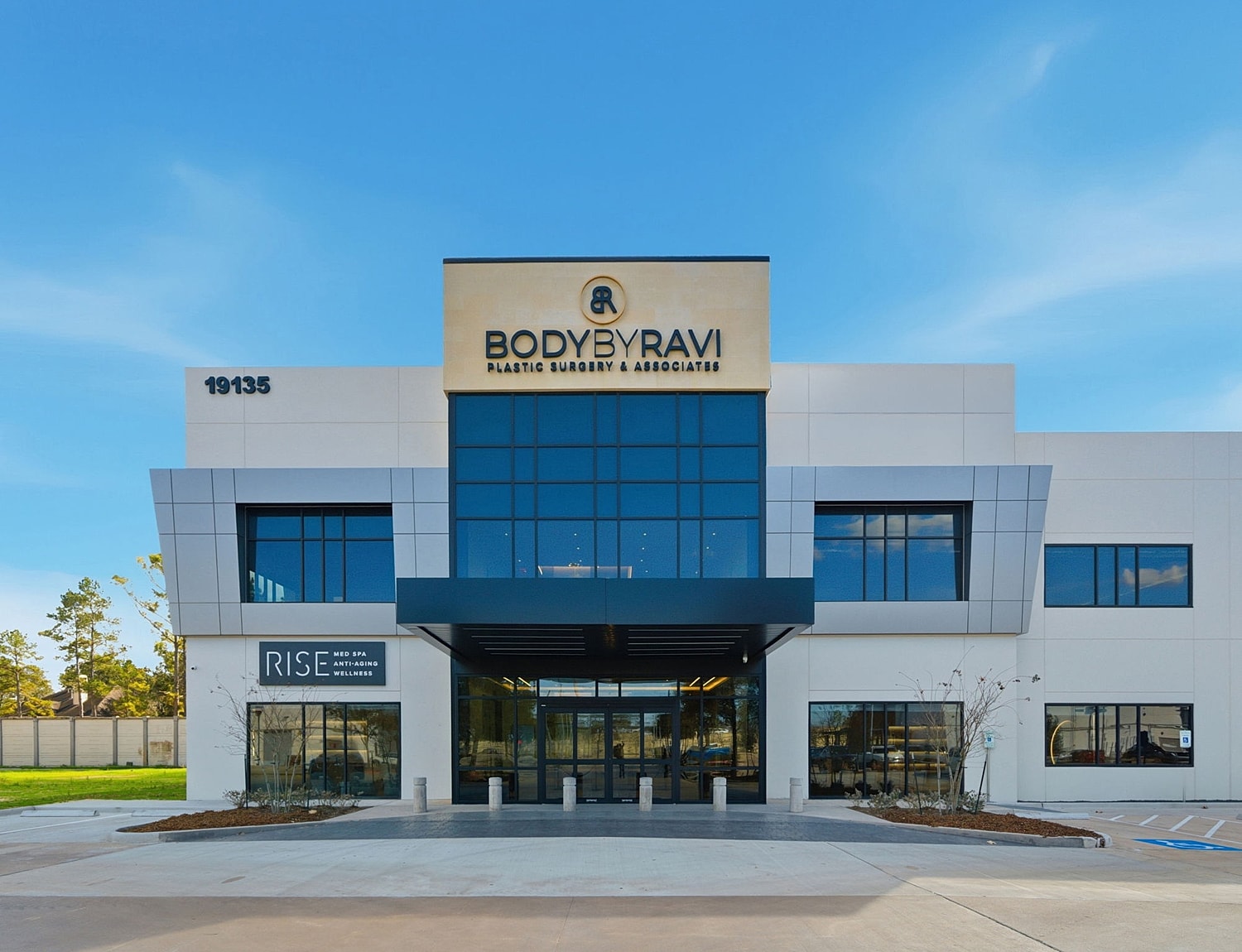

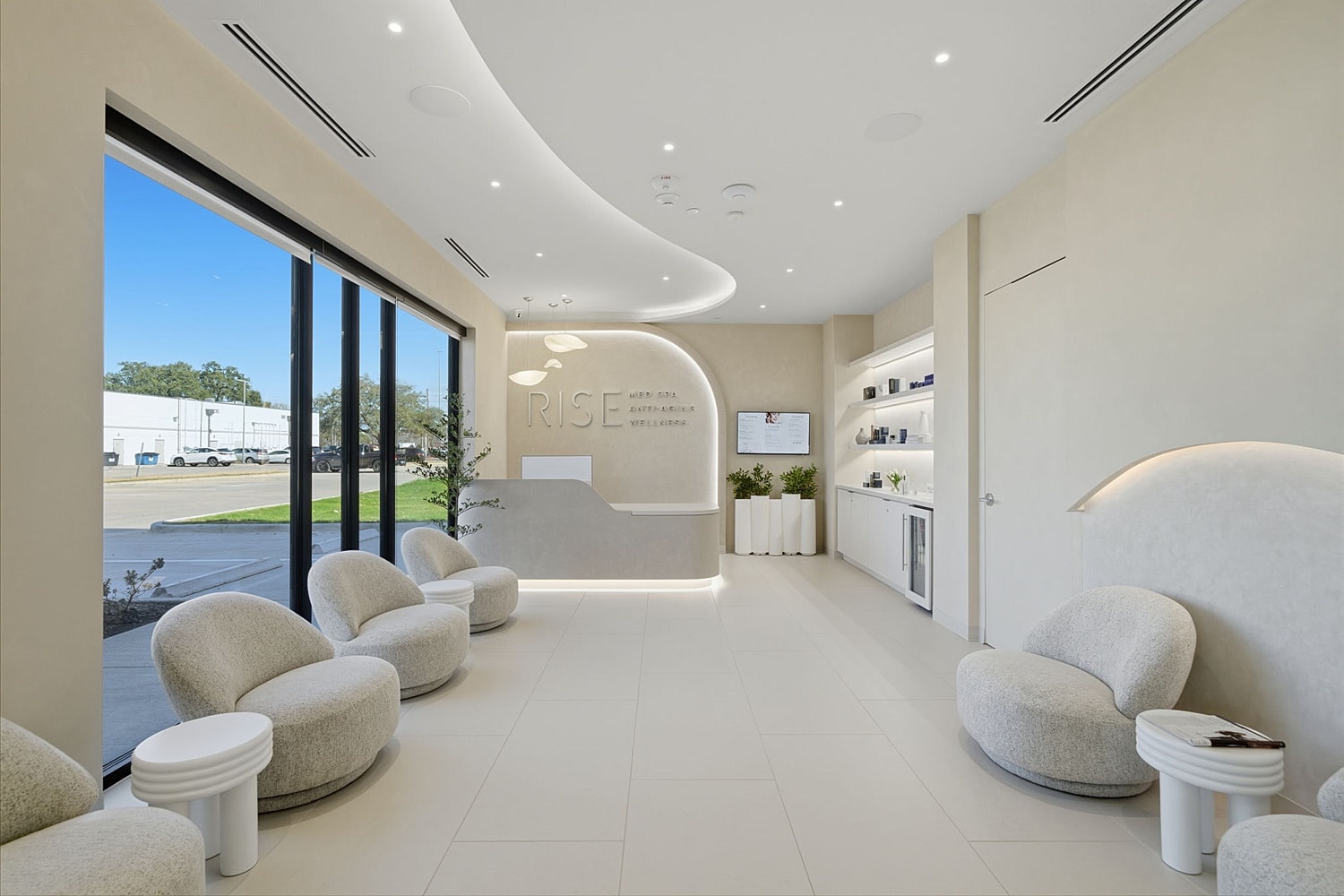


Dr. Ravi Somayazula is a nationally recognized, board-certified plastic surgeon serving Houston and the surrounding communities. Known for his refined surgical technique and natural-looking results, Dr. Ravi specializes in advanced body contouring procedures, including his signature SMART Tummy Tuck.
Patients choose Dr. Ravi for his thoughtful, personalized approach and his commitment to both safety and experience. Procedures are performed in his private, nationally accredited QUAD A surgical suite alongside board-certified physician anesthesiologists, ensuring the highest level of care from consultation through recovery.
With over a decade of experience and thousands of successful outcomes, Dr. Ravi combines surgical precision with an elevated, patient-centered experience—helping each individual feel confident, informed, and beautifully themselves
YOUR NEXT STEPS TOWARD A CONFIDENT TRANSFORMATION
Choosing the right plastic surgeon is one of the most important decisions you’ll make. We encourage you to take the time to fully understand your options and feel confident in your choice.
Your consultation is a personalized, one-on-one experience designed to understand your goals and create a tailored treatment plan.
A little preparation can help you get the most out of your consultation and feel fully confident in your next steps.