 (281) 242-1061
  Schedule Consultation

Mini facelift recovery is a gradual process, and understanding what may happen during each stage can make preparing for facial rejuvenation surgery feel more manageable. At Body by Ravi Plastic Surgery & Associates in Houston, TX, Dr. Mathew Moreno approaches facial rejuvenation with an emphasis on natural, refined results, thoughtful surgical planning, and preserving the individual characteristics that make each patient's face unique. His philosophy is centered on restoration, not transformation, with the goal of helping patients look refreshed rather than noticeably different.
Patients considering facial rejuvenation may be concerned about jowling, a less defined jawline, lower facial laxity, or other changes that develop as facial tissues age. Surgery may be appropriate when these concerns are structural and cannot be adequately addressed with skincare or nonsurgical treatments alone. Dr. Moreno evaluates facial anatomy, tissue descent, skin quality, and the relationship between the face and neck before recommending an individualized surgical plan. Because the appropriate operation can vary considerably between patients, the consultation is an important part of determining whether a more limited facial rejuvenation procedure or a more comprehensive facelift approach is appropriate.
A mini facelift generally refers to a less extensive facial rejuvenation procedure intended to address selected signs of aging in the lower face and jawline. However, the term "mini facelift" can mean different things depending on the surgeon and the patient's anatomy. For this reason, Dr. Moreno's approach begins with an anatomical assessment rather than assuming that every patient who requests a mini facelift should undergo the same operation. The objective is to determine where aging has occurred and which tissues actually need to be addressed.
Dr. Moreno's documented facial surgery philosophy emphasizes deeper structural support, appropriate tissue mobilization, limited skin undermining where indicated, and avoiding an excessively tight or windswept appearance. His extended deep plane facelift approach includes mobilization of deeper facial tissues and a vector of pull designed to create a defined jawline while maintaining a natural, youthful, refreshed appearance. For patients with more limited aging changes, the surgical plan may be correspondingly more limited, but the exact technique must be determined during consultation.
A facial rejuvenation plan may address concerns such as:

Recovery following facial rejuvenation does not happen all at once. Patients typically move through several stages as swelling and bruising decrease, incisions mature, and deeper tissues heal. The amount of downtime can vary according to the extent of surgery, whether the face and neck are treated together, whether additional procedures are performed, and the patient's individual healing response. A more limited procedure may involve a different recovery experience than an extended deep plane facelift.
It is also important to distinguish between being ready for everyday activities and reaching a final surgical result. Patients may feel increasingly comfortable returning to work and social situations while subtle swelling, firmness, numbness, and scar maturation continue. Dr. Moreno follows patients throughout recovery and provides individualized guidance about activity, incision care, sleeping position, exercise, and return to normal routines. Patients should follow their personalized postoperative instructions rather than relying on a universal recovery calendar.
Recovery may be influenced by:

The first week is generally focused on protecting the surgical repair and allowing the tissues to begin healing. Swelling, bruising, tightness, tenderness, temporary numbness, and areas of firmness can occur following facial surgery. These changes can make the face appear temporarily different from the eventual result. Early swelling can also create temporary asymmetry, which should not automatically be interpreted as an indication of the final facial contour.
Activity during this period is deliberately limited. Patients receive instructions regarding incision care, sleeping position, bathing, medications, and appropriate movement. Gentle walking may be encouraged when medically appropriate, but strenuous exercise, heavy lifting, and activities that could increase pressure or disrupt healing tissues generally need to wait until Dr. Moreno provides clearance. Patients should contact the practice if they experience symptoms that concern them rather than attempting to diagnose postoperative changes themselves.
During early recovery, patients may be instructed to:
During the second week, many patients begin to notice meaningful changes in their recovery. Bruising and swelling may become less prominent, and early definition of the lower face and jawline can start becoming easier to appreciate. Patients may also begin feeling more comfortable participating in routine activities. Nevertheless, some residual swelling, tightness, firmness, or numbness can remain, and healing does not necessarily progress at the same speed on both sides of the face.
Feeling better does not mean that deeper tissues have completed healing. Facial rejuvenation involves more than the skin surface, particularly when deeper structural tissues have been repositioned. Dr. Moreno's facial philosophy emphasizes structural support and tissue mobilization rather than relying solely on skin tension. Protecting those tissues during the early postoperative period is therefore important even when patients feel physically capable of doing more.
Depending on individual progress, patients may gradually resume:
Weeks three and four can be an encouraging stage because the face may begin looking and feeling increasingly natural as swelling continues to settle. Early improvements in jawline definition and lower facial contour may become more apparent. Incisions also continue healing, although they can remain pink, firm, or noticeable during this period. The tissues beneath the skin are still remodeling, so temporary firmness or small fluctuations in swelling can occur.
Patients should continue following Dr. Moreno's guidance regarding exercise and other physically demanding activities. Returning to strenuous workouts prematurely can increase swelling and potentially interfere with recovery. The exact timing of exercise clearance depends on what surgery was performed and how the patient is healing. This is especially important when facial rejuvenation has been combined with neck surgery, eyelid surgery, fat grafting, or another procedure.
During this stage, patients may notice:
By months two and three, the healing process is generally less visible in everyday life, but refinement continues beneath the surface. Residual swelling can gradually diminish, tissues can become softer, and the relationship between the cheeks, lower face, and jawline can look increasingly natural. This gradual evolution is one reason patients should avoid judging their final outcome too early in recovery.
Scar maturation also continues beyond the early postoperative period. Incisions may initially appear pink or firm before gradually becoming softer and less conspicuous. Scar quality is influenced by surgical technique, genetics, skin characteristics, sun exposure, and postoperative care. Dr. Moreno can recommend scar-care strategies according to the patient's healing pattern rather than relying on a one-size-fits-all protocol.
Longer-term healing may involve:

Whether drains are needed after facial surgery depends on the operation and surgeon's technique. Importantly, Dr. Moreno's documented extended deep plane facelift technique is specifically designed as a no-drain approach. His surgical notes describe using techniques intended to close dead space rather than routinely relying on drains. His approach also includes limited skin undermining and the use of Artiss in undermined areas.
This differs from generic facelift recovery information that may tell patients to expect drains routinely. Patients should therefore rely on instructions specific to the operation Dr. Moreno has planned for them. Dressings and other postoperative support may still be used when appropriate, and recommendations can vary when a facelift is combined with another procedure. The absence of drains does not eliminate the need for careful monitoring during early healing.
Postoperative instructions may address:


Facelift incisions are planned with the goal of making them as discreet as reasonably possible while providing the surgical access necessary for effective rejuvenation. Scar quality depends not only on where an incision is positioned but also on tissue handling and the amount of tension placed on the skin during closure. Dr. Moreno's philosophy of supporting facial tissues at deeper levels rather than creating results primarily through skin tension is consistent with his goal of natural facial rejuvenation.
Patients should remember that scars evolve for months after surgery. Early redness or firmness does not represent the mature appearance of an incision. Protecting healing scars from unnecessary sun exposure and following Dr. Moreno's individualized scar-care instructions can support appropriate maturation. If a scar requires additional treatment, options can be discussed after Dr. Moreno evaluates how it is progressing.
Scar management may involve recommendations concerning:

Dr. Moreno describes his aesthetic philosophy as natural and refined, with an emphasis on restoration rather than transformation. In his own description of facial surgery, he notes that the ideal result should lead people to think that a patient looks rested or refreshed rather than immediately assuming that surgery has been performed. This philosophy is particularly relevant to facelift surgery, where excessive skin tension or an inappropriate direction of pull can create an artificial appearance.
His documented extended deep plane facelift approach reflects that philosophy technically. His notes describe limited skin undermining, mobilization of deeper tissues, ligament release, and a vector of pull parallel to the zygomatic ligament. The intended aesthetic endpoint is a defined jawline without a windswept appearance, producing a result described as natural, youthful, and refreshed. Rather than treating every face identically, the surgical plan is determined by anatomy and the degree of facial aging present.
Dr. Moreno's facial rejuvenation philosophy emphasizes:
Facial aging rarely occurs in only one anatomical area. Some patients who are concerned about their jawline may also have changes around the eyelids, brow, neck, or facial volume. In appropriate candidates, combining procedures can create a more balanced result because several related aspects of facial aging can be addressed within one treatment plan. Combination surgery, however, should be based on anatomy and safety rather than simply adding procedures.
Dr. Moreno has documented approaches to upper and lower blepharoplasty, brow lift, neck lift, and facial fat grafting in addition to facelift surgery. His upper eyelid philosophy is conservative about fat removal and avoids routine orbicularis muscle excision, with the goal of reducing the risk of an excessively hollow appearance. His lower eyelid approach favors a transconjunctival technique, while his brow lift strategy focuses on appropriate ligament release and fixation.
Depending on individual anatomy, facial rejuvenation may be considered alongside:

One potential mistake during facial surgery recovery is assuming that feeling better means the tissues are completely healed. Patients may regain energy before the deeper surgical repair has matured. Returning prematurely to strenuous exercise, heavy lifting, or other activities can potentially increase swelling and interfere with recovery. Following postoperative restrictions is therefore important even when discomfort has substantially improved.
Another mistake is comparing one person's recovery timeline with another's. The extent of surgery, anatomy, combination procedures, bruising tendencies, and individual healing characteristics all influence recovery. Social media photographs can also provide an unrealistic benchmark because they rarely show every stage of healing. Dr. Moreno emphasizes honest communication and realistic expectations throughout the patient experience, including recovery.
Patients should generally avoid:
The recovery experience varies according to the procedure performed and the individual patient. Tightness, swelling, tenderness, numbness, and temporary firmness can occur. Dr. Moreno provides postoperative instructions and an individualized recovery plan based on the extent of surgery.
Swelling generally improves progressively rather than disappearing on a specific day. More noticeable swelling occurs earlier in recovery, while subtle residual swelling and tissue refinement may continue for weeks or months. Combination procedures can also affect the duration of swelling.
The appropriate time depends on the type of work, extent of surgery, bruising, swelling, and individual healing. Patients with desk-based occupations may be able to return sooner than those whose jobs require strenuous physical activity. Dr. Moreno provides individualized clearance during postoperative follow-up.
Dr. Moreno's documented extended deep plane facelift approach does not routinely use drains. Instead, his technique includes methods intended to close dead space. The postoperative plan can nevertheless vary depending on the exact procedure or combination of procedures performed.
Dr. Moreno specifically aims to avoid an excessively tight or windswept appearance. His philosophy emphasizes natural, refined rejuvenation and "restoration, not transformation." The objective is to improve facial structure and contour while preserving the characteristics that make the patient look like themselves.
Potentially. Dr. Moreno performs facial procedures including upper and lower blepharoplasty, brow lift, and neck lift, and he uses facial fat grafting in appropriate patients. Whether procedures should be combined depends on anatomy, goals, health, operative planning, and safety considerations.
The answer requires an in-person assessment. The amount of skin laxity is only one consideration. Dr. Moreno evaluates the deeper facial tissues, jawline, neck, volume distribution, skin quality, and overall aging pattern before recommending an operation. A patient requesting a "mini" procedure may ultimately benefit from a different approach, while another patient may not require extensive surgery.
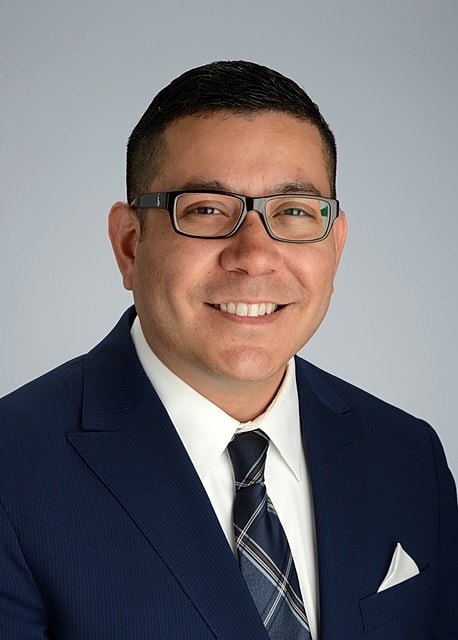
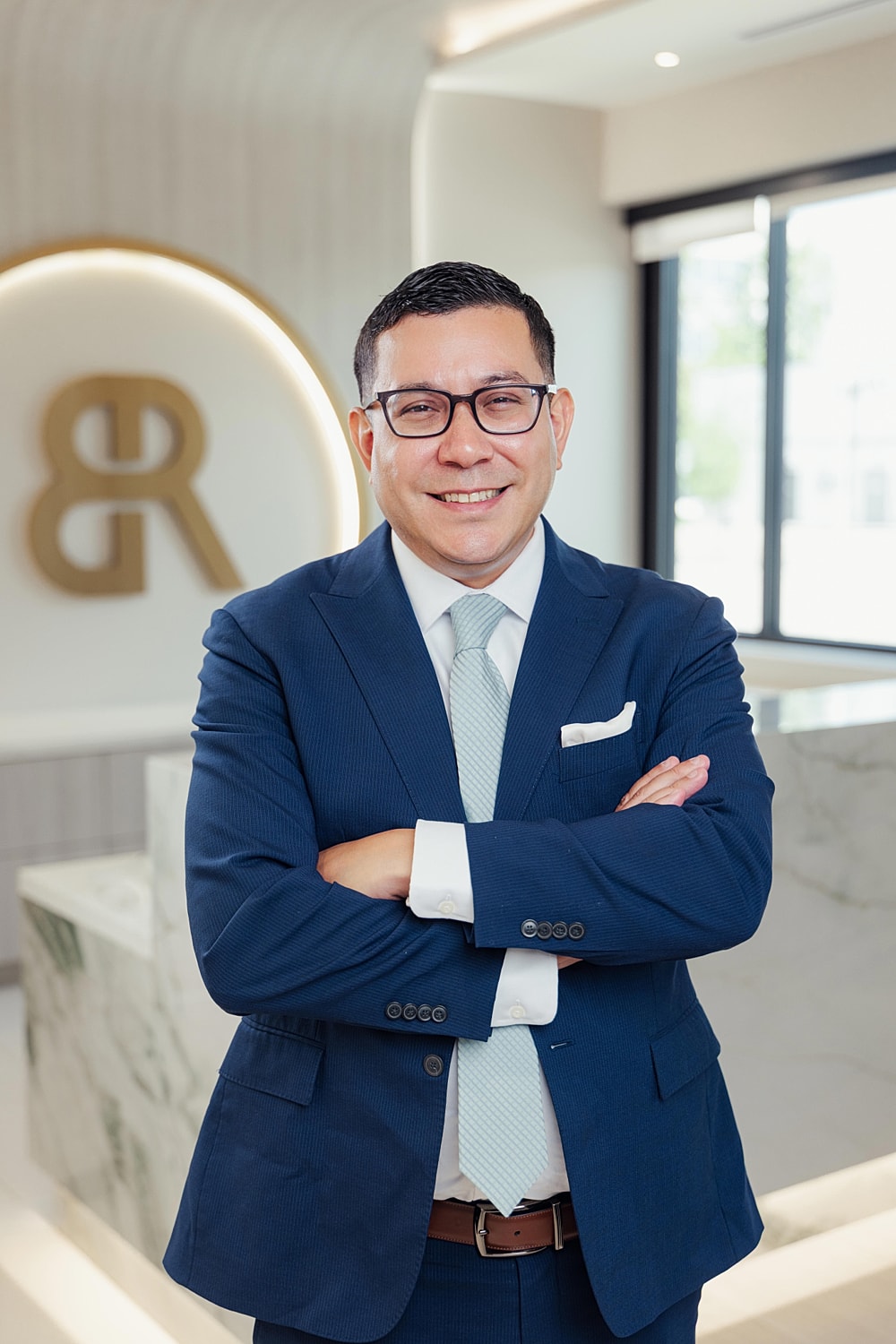
Mathew L. Moreno, MD is a fellowship-trained plastic surgeon at Body by Ravi & Aesthetics in Houston. He completed six years of integrated plastic surgery residency training at the University of Kansas Medical Center, including Chief Resident experience in the cosmetic clinic, followed by aesthetic surgery fellowship training in New York. His professional background includes a strong operative foundation in facial aesthetics and body contouring as well as peer-reviewed research and national presentations.
Facial procedures are a particular passion for Dr. Moreno, with facelift surgery combining the anatomy, technical precision, and aesthetic judgment that drew him to facial rejuvenation. His approach to patient care is equally important to his surgical philosophy. He describes the consultation as a conversation rather than a sales pitch and emphasizes listening, realistic expectations, honest communication, and treating patients with the same care he would want for his own family.
Patients considering Dr. Moreno may value his emphasis on:
The best way to determine whether a mini facelift, extended deep plane facelift, neck procedure, eyelid surgery, or another approach is appropriate is through a personalized consultation with Dr. Mathew Moreno at Body by Ravi Plastic Surgery & Associates in Houston, Texas.
During your consultation, Dr. Moreno can evaluate your facial anatomy, aging pattern, skin and soft tissues, discuss the changes that concern you, and explain which options may realistically help achieve your goals. His approach is centered on thoughtful planning and natural-looking rejuvenation that helps you appear refreshed while preserving your individual identity. To schedule a consultation with Dr. Mathew Moreno, contact Body by Ravi Plastic Surgery & Associates at (281) 346-9038 or (281) 242-1061.