 (281) 242-1061
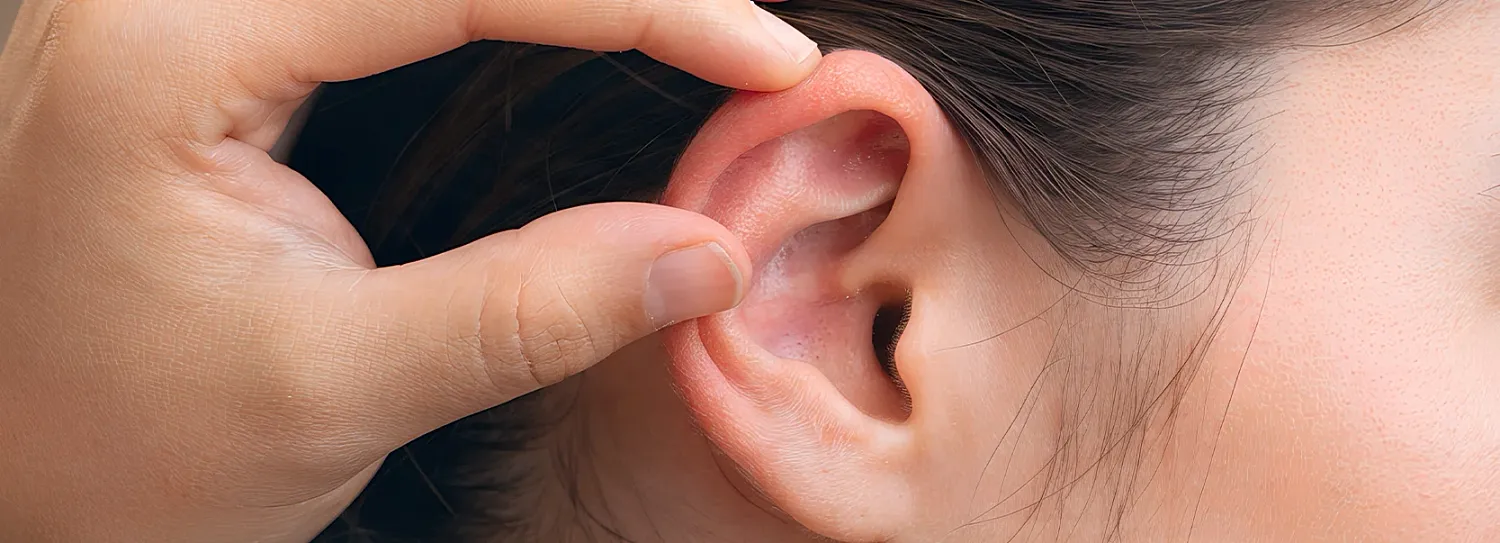
Ear reshaping surgery, also called otoplasty or ear pinning surgery, improves the position, contour, and symmetry of the outer ears. It is commonly performed for prominent ears, uneven projection, poorly defined folds, or shape differences that affect facial balance.
Dr. Mathew Moreno performs otoplasty in Houston with an emphasis on natural proportions, careful cartilage shaping, and long-term stability. His goal is to make the ears look balanced with the face without flattening them excessively or creating an obviously operated-on appearance.
Ear reshaping surgery changes the position or contour of the visible outer ear without affecting hearing. It can bring prominent ears closer to the head, improve natural folds, and reduce asymmetry between the two sides.
The operation works by reshaping, repositioning, or supporting the ear cartilage with carefully placed sutures and, when needed, limited cartilage modification. Dr. Moreno evaluates projection, upper-ear contour, conchal depth, cartilage strength, and facial proportions before recommending treatment.
Otoplasty may improve:
Otoplasty is an outpatient procedure that reshapes or repositions the visible outer ears through discreet incisions, usually behind the ears. Most patients return to school, desk work, or light daily activities in about one week.
Results are designed to be long-lasting and usually permanent once the cartilage has healed in its new position. Recovery varies according to age, cartilage strength, the amount of correction required, and whether one or both ears are treated.
Surgical ear reshaping
Approximately one to two hours
Local anesthesia with sedation or general anesthesia
About one week
Usually concealed behind the ears
Ear reshaping surgery can improve facial balance by reducing the degree to which the ears draw attention from the rest of the face. The strongest results look subtle and proportional rather than tightly pinned or unnaturally flat.
For many patients, the emotional benefits are as meaningful as the physical change. Children, teenagers, and adults may feel more comfortable wearing shorter hairstyles, pulling their hair back, appearing in photographs, or participating socially.
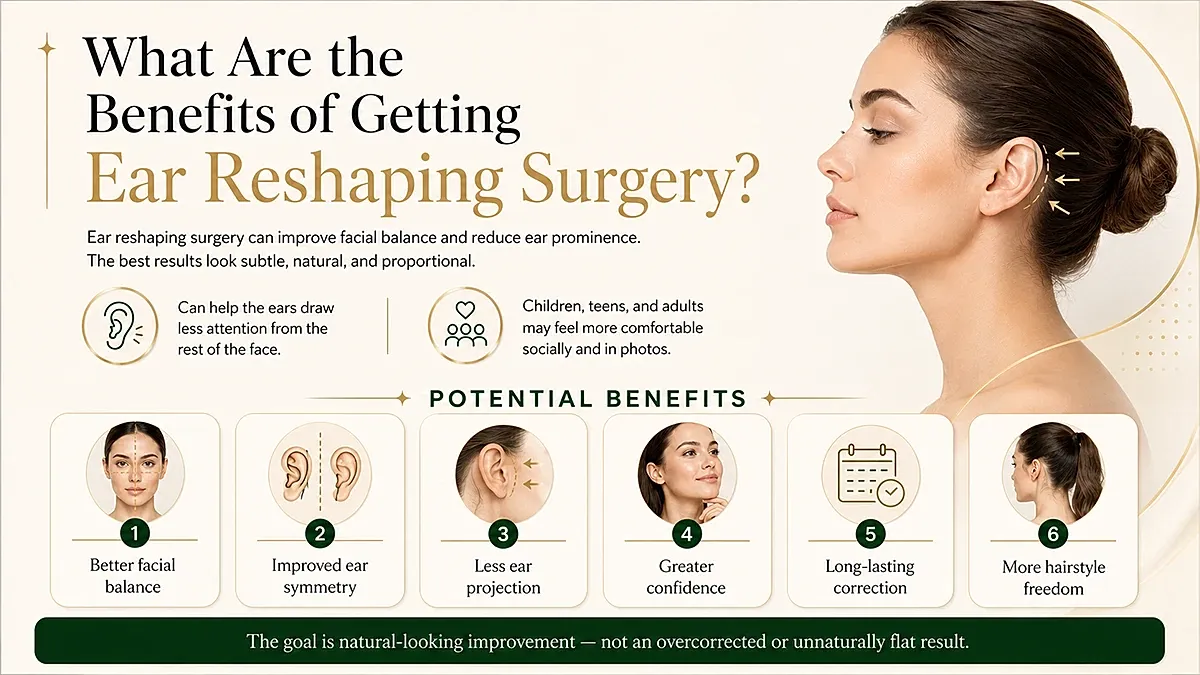
Potential benefits include:

Otoplasty is generally the most reliable option when prominent ears are caused by cartilage shape, conchal excess, or an underdeveloped ear fold. Nonsurgical molding is usually limited to very young infants because adult and older-child cartilage is less responsive to external shaping.
Some minor concerns may not require surgery, especially when the difference is subtle or does not bother the patient significantly. Dr. Moreno examines the cartilage and degree of projection to determine whether surgery is likely to provide a meaningful and natural improvement.
The options differ in several ways:
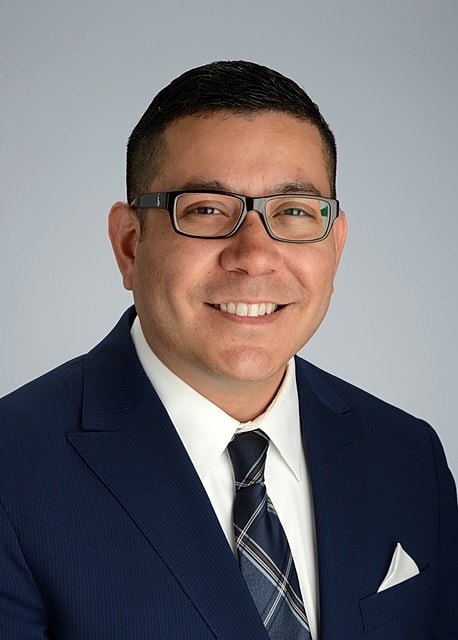
Dr. Mathew Moreno is a fellowship-trained plastic surgeon with training in facial aesthetic and reconstructive procedures. He completed six years of integrated plastic surgery residency training at the University of Kansas Medical Center, followed by a 12-month aesthetic surgery fellowship in New York.
His philosophy centers on restoration rather than transformation, with an emphasis on proportion, restraint, and preserving natural anatomy. Dr. Moreno approaches otoplasty with the goal of reducing unwanted prominence while maintaining the ear’s normal curves, soft contours, and individual character.
His approach emphasizes:
An otoplasty consultation determines which cartilage structures are causing prominence, asymmetry, or an irregular ear shape. Dr. Moreno examines the ears from the front, side, and back while considering their relationship to the head and overall facial proportions.
The consultation also includes a review of medical history, prior injuries or procedures, healing concerns, and the patient’s goals. For younger patients, the discussion includes both the child’s readiness and the family’s expectations so that the decision is supportive rather than pressured.
Your consultation may include:
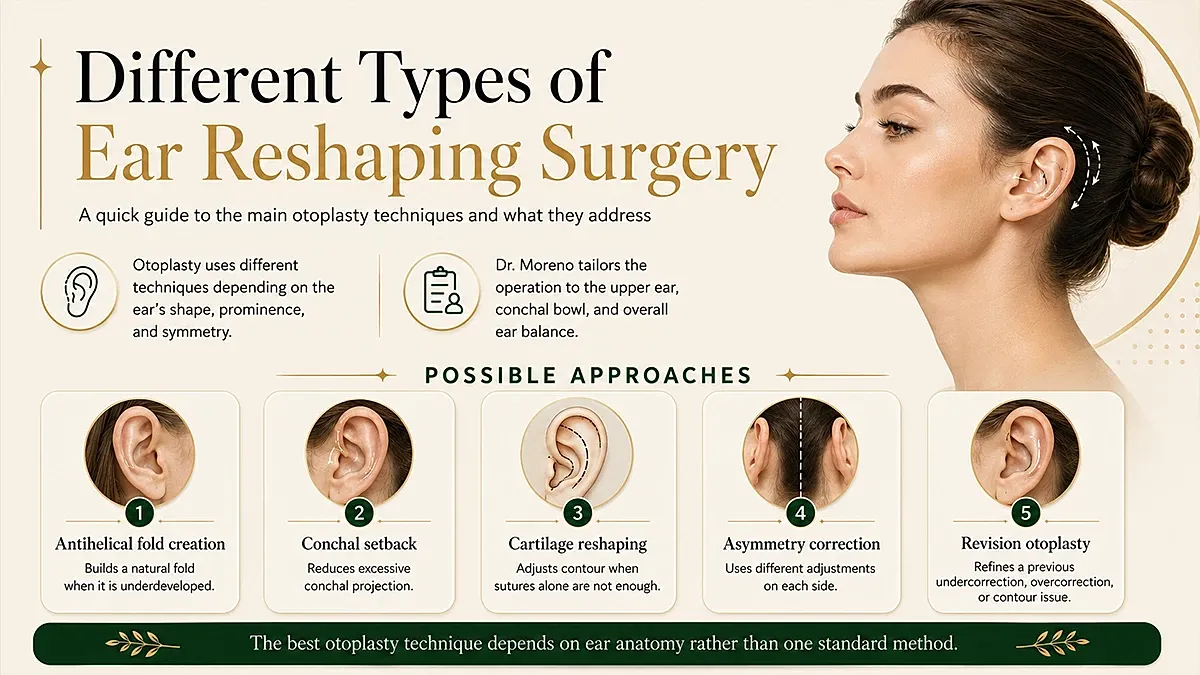
Otoplasty can involve several techniques depending on whether the main concern is an underdeveloped fold, excessive conchal cartilage, upper-ear prominence, asymmetry, or a previous operation. The best approach may use cartilage-sparing sutures, limited cartilage modification, or a combination.
Dr. Moreno tailors the operation to the anatomy rather than using one standard technique for every ear. He pays particular attention to the upper third of the ear and the conchal bowl because both can contribute to visible prominence.
Possible approaches include:

You may be a good candidate if your ears protrude more than you would like, appear uneven, or have a shape concern that affects your confidence. Otoplasty may be performed in children, teenagers, or adults when the ears are sufficiently developed and the patient understands the recovery process.
Good candidates are generally healthy, do not use nicotine, and have realistic expectations about symmetry and improvement. In children, emotional maturity and a personal desire for surgery are important because the procedure should not be performed solely to satisfy someone else’s preferences.
You may benefit from an evaluation if you:
Otoplasty may not be appropriate for patients who are not personally bothered by their ears, have unrealistic expectations, or are being pressured into surgery. It may also need to be postponed when active infection, uncontrolled health conditions, nicotine use, or healing problems increase surgical risk.
Dr. Moreno may recommend waiting when a child is not emotionally ready to participate in postoperative care or protect the ears during healing. Responsible patient selection includes considering physical health, motivation, maturity, and the likelihood of a balanced result.
The procedure may not be suitable for patients with:

Otoplasty is usually performed through incisions placed behind the ears so the resulting scars remain discreet. Dr. Moreno then exposes the cartilage carefully and reshapes or repositions the structures responsible for excessive projection.
Internal sutures may be used to create or strengthen the antihelical fold and to bring excessive conchal cartilage closer to the head. The ears are checked repeatedly for symmetry, contour, and natural projection before the incisions are closed.
The procedure may include:

Otoplasty before-and-after photos should show reduced prominence and better balance without making the ears appear flat against the head. Strong results preserve natural curves and maintain a small, normal amount of projection.
Photos should be viewed as educational examples rather than guarantees of an identical outcome. Dr. Moreno can explain which cases share anatomical similarities with yours and how cartilage strength, asymmetry, age, and healing may affect the result.
When reviewing photos, look for:

A personalized consultation is the first step in determining whether ear reshaping surgery is appropriate for you or your child. Dr. Moreno evaluates cartilage structure, ear projection, facial balance, and the patient’s goals before recommending treatment.
Submitting the consultation form does not commit you to surgery and does not replace an in-person medical evaluation. A patient coordinator can help arrange the visit and explain what information to prepare.
Otoplasty recovery commonly involves swelling, soreness, tightness, and temporary numbness or sensitivity. Most patients return to school or desk work in about one week, although the ears remain vulnerable to pressure and accidental impact for longer.
A protective dressing is usually worn immediately after surgery, followed by a soft headband as directed. Dr. Moreno provides instructions regarding sleep position, hair washing, incision care, physical activity, and protection of the ears.
Recovery guidance may include:
The greatest swelling and soreness usually occur during the first several days, followed by steady improvement over the first two weeks. The ears continue to soften and settle for several months as swelling resolves and scars mature.
The following timeline is a general guide rather than a guarantee. Recovery may vary based on age, cartilage strength, the degree of correction, and whether one or both ears were treated.
Otoplasty scars are usually concealed in the natural crease behind the ears. They may be pink or firm early in recovery but generally become less noticeable as healing progresses.
Scar quality depends on genetics, incision care, tension, sun exposure, and individual healing. Dr. Moreno monitors the scars during follow-up and may recommend silicone therapy or other treatments when appropriate.
Scar care may include:
The cost of otoplasty in Houston depends on whether one or both ears are treated, the complexity of the cartilage correction, anesthesia, and facility expenses. Dr. Moreno provides a personalized quote after examining the ears and developing a surgical plan.
A minor one-sided correction and a more complex bilateral otoplasty do not involve the same surgical time or technical requirements. Patients should confirm whether the quote includes anesthesia, facility fees, postoperative visits, dressings, and related care.
Factors that may affect cost include:
Otoplasty should improve proportion without attempting to make both ears perfectly identical. Natural ears contain small differences, and preserving those subtle variations often produces a more believable result.
Patients should understand the importance of protecting the ears during early healing because cartilage and sutures need time to stabilize. A good surgical decision includes realistic expectations, careful preparation, and confidence in the surgeon’s approach to avoiding overcorrection.
A practical otoplasty guide should cover:
Otoplasty carries risks such as bleeding, hematoma, infection, asymmetry, scarring, altered sensation, and recurrence of prominence. Less common concerns include suture irritation, contour irregularities, cartilage problems, or the need for revision surgery.
Temporary swelling, soreness, numbness, and firmness are expected during normal healing. Dr. Moreno reviews individual risk factors before surgery and provides detailed instructions intended to reduce avoidable complications.
Potential risks include:
Otoplasty is designed to provide long-lasting and usually permanent improvement. Once the cartilage and supporting sutures have healed, the ears generally maintain their corrected position.
A small amount of settling or change can occur as swelling resolves and tissues relax. Protecting the ears during recovery and following activity restrictions can help reduce the risk of early trauma or recurrence.
To support long-term results:
Otoplasty may be combined with another facial procedure when the patient has separate concerns and the combined operating time remains appropriate. Adults may occasionally choose to address ear prominence alongside another facial or body procedure.
Dr. Moreno recommends combination surgery only when it is safe and provides a meaningful benefit. In children, otoplasty is usually performed as a focused procedure so recovery and ear protection remain straightforward.
Possible combinations may include:
Patients should ask questions about technique, scars, recovery, symmetry, and the risk of overcorrection before deciding to proceed. A thoughtful consultation should provide enough information to understand both the likely benefits and the limitations of surgery.
Parents should also ask how to prepare a child for recovery and how long the ears must be protected from sports or accidental pressure. Dr. Moreno encourages open discussion so patients and families can make an informed decision.
Helpful questions include:
A natural-looking result is one of the most important goals of otoplasty. Dr Moreno carefully avoids overcorrection so the ears maintain soft contours and normal projection rather than appearing pinned tightly against the head.
Some patients notice temporary tightness, numbness, or sensitivity during early healing. These sensations usually improve gradually as swelling decreases and tissues settle.
Yes, although patients may need to avoid heavy pressure from glasses during the earliest part of recovery. Most people return to wearing glasses normally once healing progresses.
Otoplasty primarily changes ear position and contour rather than overall size. In some patients, the ears may appear smaller simply because they sit closer to the head.
Patients are usually advised to avoid sleeping directly on the ears during early healing. A soft headband and careful sleeping position help protect the ears while swelling improves.
Minor asymmetries during healing are common because swelling does not always resolve evenly. Most small differences improve naturally as healing progresses over the following weeks and months.
Yes. Many patients pursue otoplasty specifically because short hairstyles or pulled-back hair make ear prominence more noticeable. The procedure often allows greater confidence with different hairstyles.
Most people notice that the face appears more balanced without immediately identifying surgery. The goal is subtle refinement rather than an obvious cosmetic change.
Yes, but contact sports and activities that place pressure on the ears should be avoided during early recovery. Our team provides individualized guidance on when normal activities can safely resume.
When performed conservatively and with attention to facial balance, otoplasty results typically age very naturally. The ears continue to look proportionate as the face changes over time.
Dr. Moreno combines comprehensive plastic surgery training with advanced aesthetic fellowship experience and specific knowledge of ear-shaping techniques. His approach considers upper-ear prominence, conchal excess, natural folds, symmetry, and the relationship between the ears and face.
He emphasizes natural positioning and avoids correction that makes the ears appear flattened or surgically pinned. Patients can expect an honest evaluation, individualized planning, and attentive communication throughout recovery.
Patients may value his focus on:
To schedule an otoplasty consultation, contact Dr. Mathew Moreno’s Houston office by phone or submit the secure consultation form on this page. A patient coordinator can arrange an appointment and explain what to bring to the visit.
During the consultation, Dr. Moreno will evaluate the ears, discuss the patient’s goals, explain the surgical options, and outline recovery. Scheduling a consultation is an educational first step and does not obligate the patient to proceed.
Before the appointment, consider preparing:

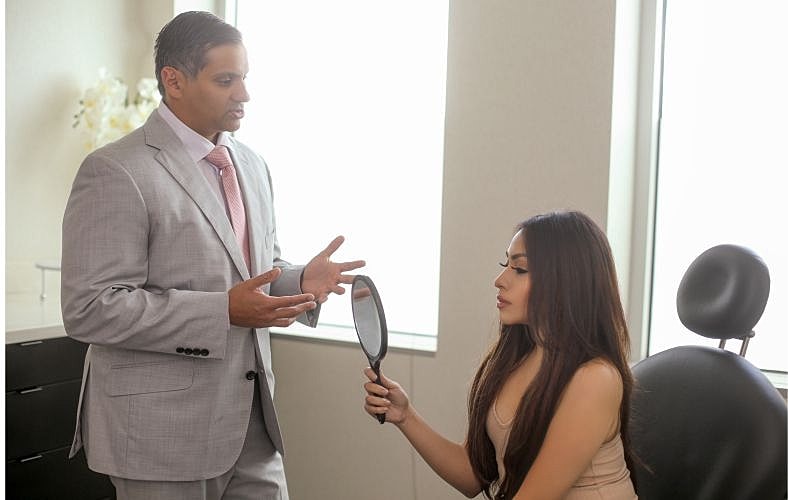
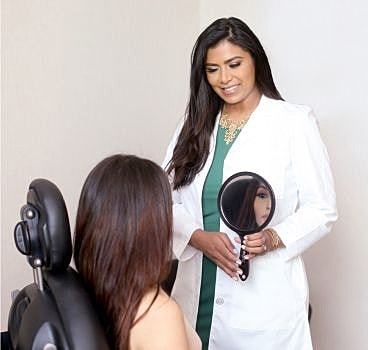
Dr. Ravi Somayazula and Dr. Swapna Gopathi are Board-Certified Physicians who use a patient-centered approach and spend as much time as needed to make each patient feel special and respected—not just another person walking through the door.
As a team, a one-of-a-kind treatment plan is created to address concerns from head to toe with the latest surgical and non-surgical techniques, including: Breast Augmentation (Implants), Tummy Tucks, Liposuction, Mommy Makeovers, miraDry®, Botox®, Dermal Fillers, and AVÉLI ® Cellulite treatment.
Working side-by-side, Dr. Ravi and Dr. Gopathi strive to create a long-lasting relationship with each patient, meeting any new aesthetic needs as they arise. Together, the staff at Body by Ravi Plastic Surgery and Aesthetics take each patient step-by-step through their cosmetic journey to achieve the desired aesthetic results.