 (281) 242-1061
  Schedule Consultation

Dr. Mathew L. Moreno is an aesthetic surgery fellow with six years of comprehensive integrated plastic surgery training at the University of Kansas Medical Center, including Chief Resident experience in a cosmetic clinic. A deep plane facelift can be performed safely in appropriately selected patients, but it still carries real surgical risks, including hematoma, infection, scarring, temporary or persistent nerve changes, asymmetry, delayed healing, and anesthesia-related complications.
A deep plane facelift is designed to reposition deeper facial tissues rather than simply pulling the skin tighter. This can create meaningful improvement in the cheeks, jawline, lower face, and neck while preserving a more natural-looking appearance.
Safety depends on more than the facelift technique itself. A patient’s medical history, blood pressure, medications, nicotine exposure, skin quality, facial anatomy, healing pattern, recovery support, and expectations all influence the risk profile.
Dr. Moreno approaches facial rejuvenation with an emphasis on patient selection, anatomy-based planning, careful tissue handling, scar optimization, coordinated anesthesia care, and realistic expectations. The goal is not to promise a risk-free operation, but to reduce avoidable risk while creating a balanced and natural result.
A deep plane facelift can be safe for appropriately selected patients when it is performed with careful anatomical planning, proper anesthesia, and structured postoperative care. However, risks can include hematoma, infection, scarring, numbness, nerve injury, asymmetry, delayed healing, and anesthesia-related complications.
A safe decision is based on understanding the procedure, risks, alternatives, and recovery before surgery. Informed patients are better prepared to recognize normal healing and report concerning changes early.
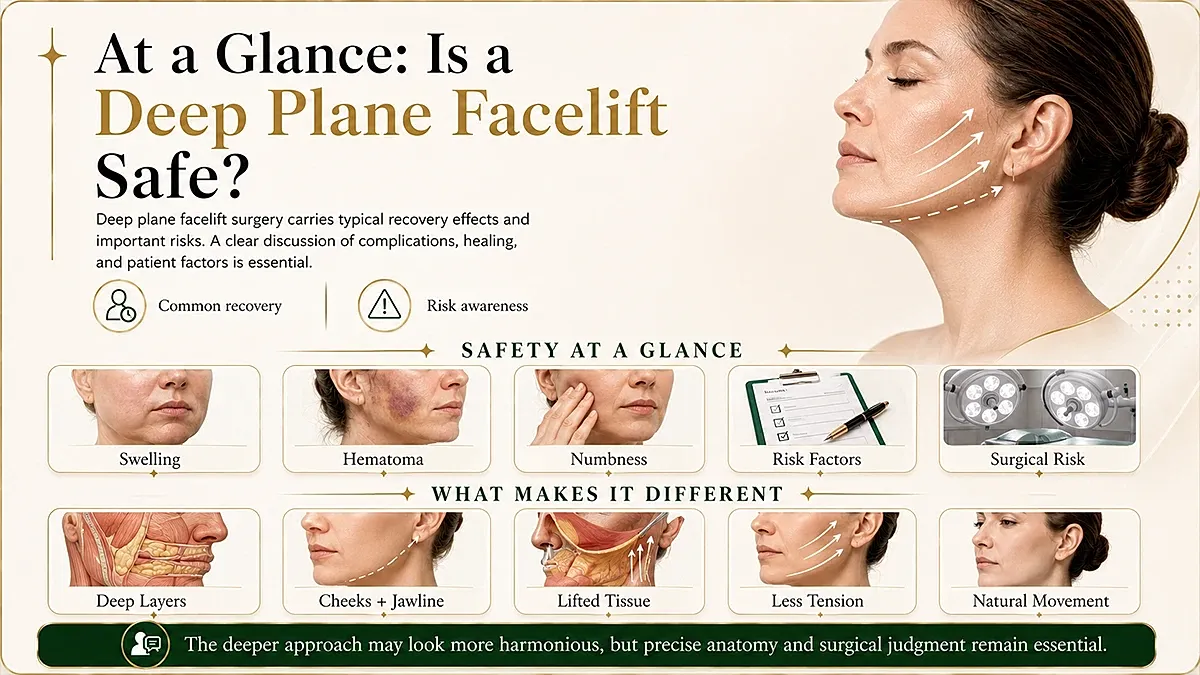
A deep plane facelift repositions deeper facial support tissues rather than relying mainly on skin tightening. Because the procedure works beneath the superficial skin layer, it requires detailed knowledge of facial anatomy and careful handling of structures that contribute to facial movement and sensation.
The deeper approach can provide a more harmonious result when performed appropriately. It also means that anatomical precision and surgeon judgment are especially important.
The most common concerns after a deep plane facelift include swelling, bruising, tightness, numbness, temporary asymmetry, firmness, and visible incision changes. Many of these are expected parts of healing rather than true complications.
Most temporary healing changes improve gradually as inflammation decreases and tissues soften. Patients should still report any symptom that becomes sudden, severe, one-sided, or progressively worse.

More serious complications are less common but should be discussed because they may require urgent evaluation or additional treatment. These can involve bleeding, infection, nerve injury, wound-healing problems, or anesthesia-related events.
Rare complications may also include blood clots or other anesthesia-related problems. Understanding these possibilities allows patients to weigh the benefits of surgery against the full range of potential risks.
Most appropriately selected facelift patients recover without a major complication, but published complication rates vary depending on the technique, patient population, definition of complications, and length of follow-up. Minor swelling or temporary numbness should not be confused with a serious surgical complication.
Online percentages cannot predict what will happen to one individual patient. A personalized consultation provides a more useful assessment of risk than relying on a single published number.
A hematoma is a collection of blood beneath the skin and is one of the important early complications after facelift surgery. It can cause rapid swelling, pressure, bruising, pain, or visible asymmetry and may require prompt treatment.
Patients should follow medication and activity instructions carefully after surgery. Sudden swelling, severe tightness, or rapidly changing facial appearance should be evaluated quickly by the surgical team.
A deep plane facelift works near important facial nerve branches, so nerve injury is a recognized risk even though permanent motor nerve problems are uncommon. Temporary weakness may occur because of swelling, traction, or irritation during healing.
Temporary changes often improve as swelling resolves and nerves recover. Persistent or progressive facial weakness requires prompt clinical assessment.

Temporary numbness, tingling, tightness, or sensitivity can occur because small sensory nerves may be stretched or disturbed during surgery. These changes most often affect the ears, cheeks, jawline, or neck and usually improve gradually.
Sensory recovery is often gradual rather than immediate. Patients should mention persistent, painful, or worsening sensory changes during follow-up visits.
Facelift incisions are placed around the ears, hairline, and natural facial folds, but scars remain a normal part of surgery. Healing quality depends on incision placement, tension, genetics, circulation, sun exposure, nicotine use, and postoperative care.
Scar quality usually improves over several months as the tissue softens and fades. Careful closure and structured scar management can help optimize appearance but cannot make scars disappear completely.

Some degree of asymmetry is normal before surgery and may remain afterward because no human face is perfectly symmetrical. Early swelling can also make one cheek, jawline, or side of the neck look different during recovery.
Patients should avoid judging symmetry during the early recovery period. The face needs time to soften, settle, and reveal the more stable result.
Combining a neck lift with a deep plane facelift can improve facial balance when aging affects both the jawline and neck, but it also increases the treatment area and recovery demands. Patients may experience more swelling, tightness, numbness, and bruising than with facial surgery alone.
A combined procedure is not automatically less safe when performed appropriately. The decision should depend on anatomy, health, surgical time, and whether treating both areas creates a more balanced result.

A good candidate is generally a healthy adult with meaningful facial tissue descent, jawline laxity, or lower-face aging who understands the recovery and risks. Candidacy depends more on anatomy, health, and expectations than on chronological age alone.
Patients should also be able to follow recovery instructions and attend postoperative visits. The goal is improvement in facial aging, not perfection or a completely different appearance.

Some patients have a higher surgical risk because of medical conditions, lifestyle factors, medications, or previous healing problems. These concerns do not always rule out surgery, but they may require optimization or additional planning first.
Unrealistic expectations or pressure from someone else can also make surgery inappropriate. A thorough consultation helps determine whether risks can be reduced or whether surgery should be delayed.
Dr. Moreno helps reduce facelift risk through careful patient selection, anatomy-based planning, conservative tissue handling, and structured postoperative care. His six years of integrated plastic surgery residency training at the University of Kansas Medical Center, Chief Resident experience in a cosmetic clinic, and current Aesthetic Surgery Fellowship provide a strong foundation in evaluating facial anatomy and planning aesthetic surgery thoughtfully.
His safety-focused approach may include:
Dr. Moreno’s academic background also includes peer-reviewed research and national presentations, reinforcing an evidence-based approach to surgical decision-making. No surgical plan can eliminate risk completely, but careful preparation, technical judgment, and structured follow-up can help reduce avoidable complications.
Patients can reduce avoidable risk by preparing their health, medications, lifestyle, and recovery environment before a facelift. Good preparation can support wound healing, blood pressure control, anesthesia safety, and a smoother early recovery.
Preoperative instructions should be followed carefully rather than modified independently. Patients should tell the surgical team about all medications, supplements, nicotine exposure, and medical changes before surgery.
Risk reduction continues after surgery because activity, blood pressure, incision care, and medication use can influence early healing. Patients should follow their individualized recovery instructions even when they begin feeling better.
Early recovery should feel controlled rather than rushed. Returning to activity too quickly can increase swelling, bleeding risk, and tension on healing tissues.


Deep plane facelift recovery commonly includes swelling, bruising, tightness, numbness, firmness, and temporary changes in facial expression. These effects usually improve gradually as inflammation settles and the deeper tissues soften into their new position.
Patients should distinguish between social recovery and complete biological healing. A person may look presentable before the deeper tissues, scars, and sensation have fully settled.
Recovery progresses in stages, and the appearance of the face can change significantly from week to week. The exact timeline depends on the extent of surgery, whether a neck lift or other procedure is added, and the patient’s individual healing response.
First 48 Hours
During this period, patients should focus on rest and follow their postoperative instructions closely. Sudden one-sided swelling, rapidly increasing pressure, significant bleeding, or escalating pain should be communicated to the surgical team promptly.
First Week
Patients may begin feeling substantially better before they look fully recovered. This difference is important because increased energy does not mean the deeper facial tissues have completed the early healing process.
Weeks Two to Four
Many patients become increasingly comfortable returning to social and professional activities during this stage. However, subtle swelling, firmness, temporary asymmetry, and changes in sensation may still be present and should not be mistaken for the final result.
One to Three Months
This phase can be especially rewarding because the face begins to look and feel more natural. Patients may notice continued improvement in facial movement and softness as deeper tissues settle.
Six to Twelve Months
Recovery should be judged over months rather than days. Early tightness, fullness, numbness, or mild asymmetry does not represent the final result.

Swelling and tightness may feel worse later in the day because gravity, activity, fluid shifts, sodium intake, and heat can increase temporary facial fullness. This is common during early healing when the tissues are still adjusting.
Fluctuating swelling usually becomes less pronounced over time. Sudden, painful, rapidly increasing, or one-sided swelling should be reported promptly because it may indicate a problem that requires evaluation.
Most facelift recovery symptoms are temporary and expected, but certain changes require prompt evaluation. Patients should contact the surgical team when a symptom is sudden, severe, worsening, or clearly different from their normal recovery pattern.
Patients should also pay attention to changes that seem dramatically different from how they felt earlier in recovery. When there is uncertainty about whether a symptom is normal, contacting the surgical team is preferable to waiting for the next scheduled appointment.
Chest pain, difficulty breathing, fainting, or other potentially life-threatening symptoms require emergency medical attention. Knowing these warning signs before surgery can help patients and caregivers respond appropriately if an unexpected problem develops.
Deep plane facelift results can provide long-lasting facial rejuvenation, but surgery does not stop the natural aging process. The face will continue to age, although it generally continues aging from a more rejuvenated starting point.
Several factors can influence how the result evolves:
Longevity varies from patient to patient and should not be reduced to one guaranteed number of years. Genetics, lifestyle, skin quality, weight fluctuations, sun exposure, and the natural aging process all contribute to how the face changes over time.
Good skincare, sun protection, healthy habits, and stable weight can help preserve the result. Patients should view facelift surgery as resetting some visible signs of facial aging rather than permanently stopping aging.
Alternatives may be appropriate for patients with earlier signs of aging, limited tissue descent, medical reasons to avoid surgery, or a preference for less invasive treatment. However, nonsurgical treatments cannot reproduce the same degree of deeper tissue repositioning achieved with facelift surgery.
Potential alternatives include:
The best alternative depends on what is actually creating the aged appearance. Volume loss, skin texture changes, dynamic wrinkles, and deeper tissue descent are different problems and therefore require different treatment strategies.
A careful facial evaluation can help determine whether surgery is appropriate or whether a more limited surgical or nonsurgical approach better matches the patient’s anatomy and goals.

Nonsurgical treatments can improve selected aging concerns, but they cannot fully reposition significantly descended facial tissues or reproduce the structural changes achievable with facelift surgery. Their role is often best suited to earlier aging, maintenance, or patients who are not ready for surgery.
This distinction is important because repeatedly adding volume to compensate for tissue descent may not create the same aesthetic effect as repositioning the underlying tissues. Treatment should address the actual anatomical problem rather than simply following a particular trend or technology.
Patients should be cautious of claims that a nonsurgical treatment can reliably deliver the same result as a deep plane facelift. The appropriate option depends on the degree and type of facial aging present.
A deep plane facelift may be worthwhile for patients seeking meaningful correction of facial descent, jawline laxity, cheek changes, and lower-face aging who understand the recovery and potential complications. The decision should be based on whether the expected improvement justifies surgery for that individual patient.
Potential benefits may include:
The decision should feel informed and unpressured. Patients should understand not only what the procedure can improve, but also its scars, recovery requirements, limitations, alternatives, and possible complications.
Dr. Moreno’s aesthetic surgery training emphasizes individualized assessment rather than treating every patient with the same approach. The most appropriate treatment should reflect the patient’s anatomy, health, degree of facial aging, and desired outcome.
A deep plane facelift can be performed safely in appropriately selected patients, but it remains a significant surgical procedure with real risks. Hematoma, infection, nerve changes, numbness, scarring, asymmetry, delayed healing, and anesthesia-related complications should all be understood before surgery.
Important considerations include:
A safe facelift decision is not based on finding a supposedly “risk-free” technique. It is based on understanding the risks, determining whether you are an appropriate candidate, and choosing a surgical plan that respects your anatomy, health, expectations, and aesthetic goals.
The face can feel stiff or wooden because swelling and deeper tissue healing temporarily limit normal softness and movement. This usually improves gradually as inflammation settles and the tissues relax.
Ear numbness can happen because facelift incisions and tissue lifting may temporarily affect small sensory nerves around the ear. Sensation often returns slowly over weeks to months, although some areas may take longer.
Yes, one cheek can stay swollen longer because each side may have different tissue tension, bruising, circulation, or healing speed. Mild unevenness is common early, but sudden swelling or worsening pain should be reported.
Your smile may feel tight because swelling, facial stiffness, and healing tissues can temporarily restrict normal expression. This should gradually improve as the deeper tissues soften and facial movement feels more natural.
Stress and poor sleep can make recovery feel harder and may increase inflammation, fluid retention, and discomfort. Rest, hydration, head elevation, and following recovery instructions can help swelling feel more manageable.
Swelling can move downward because gravity pulls fluid from the cheeks and lower face into the jawline or neck. This is common after facelift and neck lift surgery and usually improves with time.
Bright lighting can exaggerate swelling, bruising, incision redness, and small temporary asymmetries. Early healing does not reflect the final result because the face needs time to soften, settle, and look natural.
Dr. Mathew L. Moreno brings a strong foundation in plastic surgery, aesthetic surgery, academic medicine, and clinical research to facial rejuvenation. He completed a six-year integrated Plastic Surgery Residency at the University of Kansas Medical Center, where his training included Chief Resident experience in a cosmetic clinic performing aesthetic procedures under attending oversight.
Dr. Moreno is currently completing an Aesthetic Surgery Fellowship at Aristocrat Plastic Surgery in New York and serves as a Clinical Assistant Professor of Surgery at SUNY Downstate Health Sciences University. His training and academic background include facial aesthetics and body contouring, as well as peer-reviewed research and presentations at national surgical meetings.
His professional background includes:
Dr. Moreno’s academic work has also examined important surgical safety topics, including perioperative venous thromboembolism prophylaxis and the effects of nicotine exposure in reconstructive surgery. This background complements an approach to aesthetic surgery centered on thoughtful patient selection, anatomical planning, evidence-based decision-making, and clear patient communication.

A private consultation is the best way to determine whether a deep plane facelift is appropriate for your facial anatomy, health, aging pattern, and goals. The consultation should include an honest discussion of expected improvement, potential complications, scars, recovery, alternatives, and whether treatment of the neck or other facial areas should be considered.
Schedule a consultation with Dr. Moreno at Body by Ravi Plastic Surgery & Associates in Houston. He can evaluate whether the primary concern involves deeper facial tissue descent, volume loss, skin quality, neck aging, or a combination of factors. This distinction helps create a treatment plan based on anatomy rather than applying the same procedure to every patient.
The goal of consultation is to help you make a clear, informed decision about whether a deep plane facelift offers an appropriate balance of potential benefit, surgical risk, and recovery for your individual circumstances.

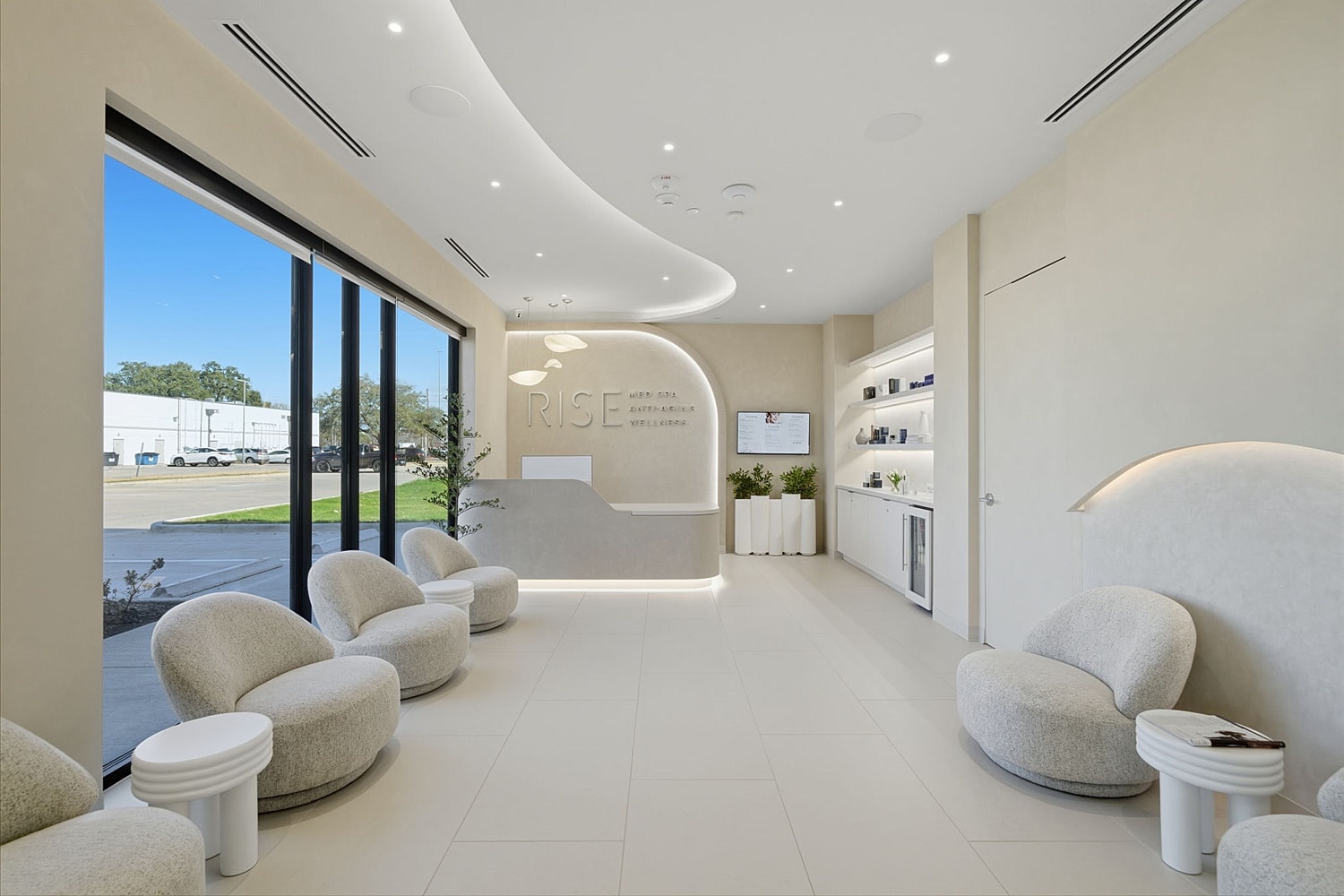


Dr. Ravi Somayazula and Dr. Swapna Gopathi are Board-Certified Physicians who use a patient-centered approach and spend as much time as needed to make each patient feel special and respected—not just another person walking through the door.
As a team, a one-of-a-kind treatment plan is created to address concerns from head to toe with the latest surgical and non-surgical techniques, including: Breast Augmentation (Implants), Tummy Tucks, Liposuction, Mommy Makeovers, miraDry®, Botox®, Dermal Fillers, and AVÉLI ® Cellulite treatment.
Working side-by-side, Dr. Ravi and Dr. Gopathi strive to create a long-lasting relationship with each patient, meeting any new aesthetic needs as they arise. Together, the staff at Body by Ravi Plastic Surgery & Associates take each patient step-by-step through their cosmetic journey to achieve the desired aesthetic results.