 (281) 242-1061

Buccal fat removal, also called cheek fat removal or buccal lipectomy, is a facial contouring procedure that reduces fullness in the lower cheeks. It may help create a slimmer, more defined facial shape in carefully selected patients whose cheeks remain round despite a healthy and stable weight.
Dr. Mathew Moreno performs buccal fat removal in Houston with an emphasis on conservative fat reduction and long-term facial balance. His goal is to refine the lower cheeks while preserving enough natural volume to avoid a hollow, prematurely aged, or overly sculpted appearance.
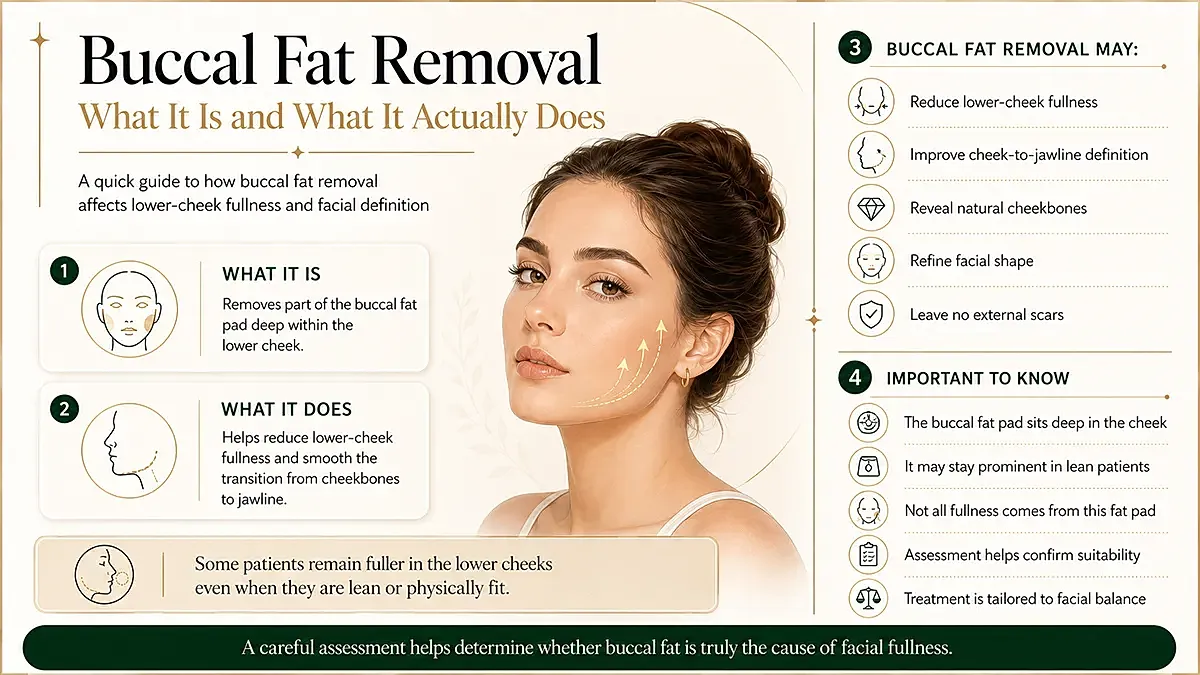
Buccal fat removal reduces a portion of the buccal fat pad, which is located deep within the lower cheek. The procedure can improve lower-cheek fullness and create a smoother transition between the cheekbones and jawline.
Unlike superficial facial fat, the buccal fat pad may remain prominent even in patients who are lean or physically fit. Dr. Moreno evaluates whether this deep fat compartment is truly responsible for facial fullness before recommending surgery.
Buccal fat removal may:

Buccal fat removal is a minimally invasive facial contouring procedure performed through small incisions inside the mouth. Most patients return home the same day and resume light daily activities within several days.
Results develop gradually as swelling improves and the cheek tissues settle. The removed portion of the buccal fat pad does not grow back, although the face continues to change with aging and weight fluctuations.
Facial contouring surgery
Lower cheeks
Approximately 30 to 60 minutes
Hidden inside the mouth
Several days to one week
Buccal fat removal can create a more defined lower face when excessive deep-cheek fullness is obscuring the patient’s natural facial structure. The best results are subtle and make the face look more balanced rather than dramatically thinner.
Because the incisions are placed inside the mouth, there are no visible external facial scars. The gradual improvement also allows the result to appear more natural as swelling resolves over several weeks and months.
Potential benefits include:

Buccal fat removal treats deep fullness within the lower cheeks, while chin liposuction removes superficial fat beneath the chin and along the upper neck. The procedures address different anatomical areas and are not interchangeable.
Some patients have round cheeks but a defined jawline, while others have under-chin fullness with relatively lean cheeks. Dr. Moreno examines the cheeks, chin, jawline, neck, and overall facial proportions to determine which treatment is most appropriate.
The main differences include:

Dr. Mathew Moreno is a fellowship-trained plastic surgeon with a focused interest in facial rejuvenation and natural-looking facial contouring. He completed six years of integrated plastic surgery residency training at the University of Kansas Medical Center, followed by a 12-month aesthetic surgery fellowship in New York.
His aesthetic philosophy centers on restoration rather than transformation, with careful attention to proportion, restraint, and long-term facial aging. Dr. Moreno approaches each consultation as a conversation and recommends surgery only when it is appropriate for the patient’s anatomy and goals.
His approach emphasizes:
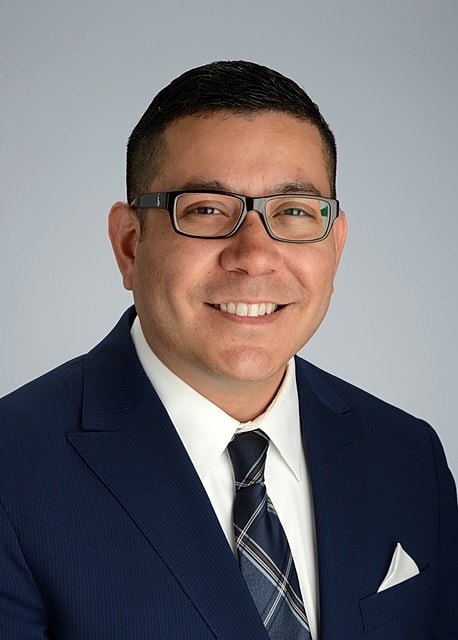
A buccal fat removal consultation determines whether the buccal fat pad is truly contributing to lower-cheek fullness. Dr. Moreno evaluates the entire face because roundness may also come from bone structure, superficial fat, skin laxity, muscle thickness, or overall facial proportions.
During the visit, Dr. Moreno reviews your goals, medical history, weight stability, previous facial procedures, and concerns about future hollowing. He also discusses alternatives when another procedure may provide a more balanced or predictable result.
Your consultation may include:

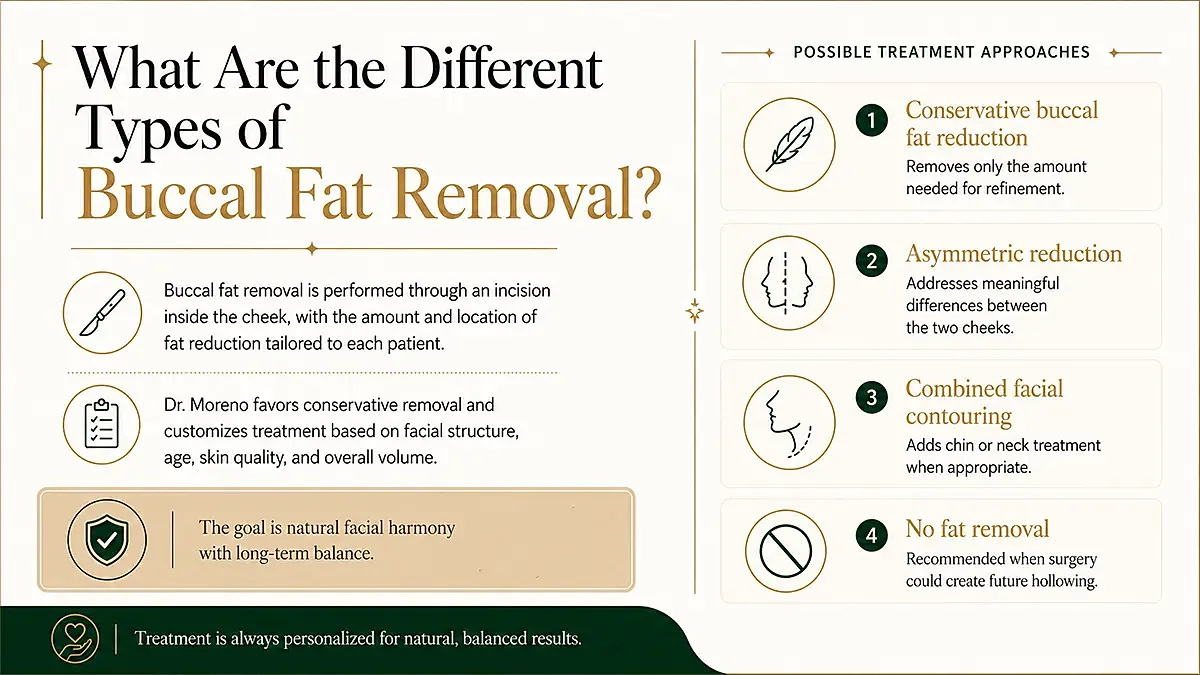
Buccal fat removal is generally performed through an incision inside the cheek, but the amount and location of fat reduction can vary. The procedure should be customized according to facial width, cheekbone structure, age, skin quality, and existing facial volume.
Dr. Moreno favors conservative removal rather than complete or aggressive excision of the buccal fat pad. In selected patients, cheek fullness may be better addressed with another contouring procedure or with a combined approach.
Possible treatment approaches include:
You may be a good candidate if you have persistent lower-cheek fullness despite maintaining a healthy and stable weight. Ideal candidates usually have enough facial volume and structural support to tolerate conservative reduction without appearing gaunt.
Age alone does not determine candidacy, but younger patients should consider how facial volume naturally decreases over time. Dr. Moreno evaluates whether the expected improvement is likely to remain balanced as the face continues to age.
You may be a candidate if you have:

Buccal fat removal may not be appropriate for patients with naturally thin faces, limited facial volume, or early signs of cheek hollowing. Removing fat in these situations could exaggerate aging changes or create an overly sharp appearance.
Dr. Moreno may recommend against surgery when fullness is caused by another anatomical feature or when the patient is seeking an extreme, trend-driven result. Medical conditions, nicotine use, unstable weight, or unrealistic expectations may also require treatment to be delayed.
The procedure may not be suitable for patients with:
Buccal fat removal is performed through small incisions placed inside the mouth, usually along the inner cheek. Dr. Moreno carefully accesses the buccal fat pad and removes a conservative amount while protecting surrounding muscles, nerves, and salivary structures.
The internal incisions are closed with absorbable sutures, so no external facial scars are created. Most procedures are performed on an outpatient basis, and patients return home with instructions for oral care, diet, activity, and swelling management.
The procedure generally includes:
Buccal fat removal before-and-after photos should show improved lower-cheek definition without creating an excessively hollow or skeletal appearance. Strong results preserve natural softness while making the cheekbones and jawline appear more balanced.
Photos should be viewed as educational examples rather than guarantees of an identical outcome. Dr. Moreno can explain how differences in bone structure, skin thickness, age, and facial volume may affect the result.
When reviewing photos, look for:
A personalized consultation is the first step in determining whether buccal fat removal is appropriate for your facial anatomy. Dr. Moreno evaluates the cheeks, cheekbones, chin, jawline, and neck before recommending a surgical or nonsurgical plan.
Submitting the consultation form does not commit you to surgery and does not replace an in-person medical evaluation. A patient coordinator can contact you to discuss scheduling, consultation availability, and the next steps.
Recovery usually involves swelling, tenderness, and a temporary feeling of fullness inside the cheeks. Most patients resume desk work and light activities within several days, although visible swelling may take longer to improve.
Dr. Moreno typically recommends a soft-food diet and careful oral hygiene during early healing. Patients should follow all instructions regarding mouth rinses, medications, exercise, and food choices to reduce irritation and infection risk.
Recovery guidance may include:
The greatest swelling usually occurs during the first week, followed by gradual improvement over several weeks. Final contour becomes clearer over several months as the tissues settle and any residual swelling resolves.
The timeline varies according to the amount of fat removed, individual healing, and whether other procedures were performed. Dr. Moreno provides personalized guidance about returning to work, exercise, and normal eating.
The cost of buccal fat removal in Houston depends on the complexity of the procedure, anesthesia, facility expenses, and whether other facial procedures are included. Dr. Moreno provides a personalized quote after evaluating the patient and developing a surgical plan.
Patients should consider surgical judgment and long-term facial balance rather than selecting a surgeon based only on the lowest fee. Because the removed fat is permanent, conservative planning is especially important.
Factors that may affect cost include:
Buccal fat removal should be chosen because the buccal fat pad is creating disproportionate lower-cheek fullness, not because sharply hollowed cheeks are temporarily popular. The most important question is whether the procedure will improve facial balance now and remain appropriate as the face ages.
Patients should understand that removing too much fat can be difficult to correct and may create long-term dissatisfaction. A good surgical plan favors modest improvement, realistic expectations, and preservation of natural facial support.
A practical guide should address:

Buccal fat removal is generally well tolerated in suitable patients, but it carries risks such as bleeding, infection, asymmetry, scarring inside the mouth, and dissatisfaction with the contour. Excessive fat removal can create hollowing or an aged appearance that becomes more noticeable over time.
Rare but more serious complications may involve injury to facial nerves or salivary structures. Dr. Moreno reduces avoidable risk through careful patient selection, detailed anatomical planning, conservative technique, and attentive postoperative care.
Potential risks include:

Buccal fat removal may be combined with other facial procedures when lower-cheek fullness is only one part of the patient’s concern. Combination treatment can improve balance between the cheeks, chin, jawline, and neck when carefully planned.
Dr. Moreno recommends additional procedures only when they support the patient’s anatomy and long-term goals. In some cases, chin or neck treatment may provide more benefit than cheek fat removal alone.
Possible combinations include:
The portion of buccal fat that is removed does not grow back, so the reduction is considered permanent. However, aging, weight changes, skin laxity, and volume loss in other parts of the face can continue to alter facial appearance.
Conservative surgery is important because facial fat naturally decreases with age. Dr. Moreno aims to create enough refinement to improve contour while preserving volume that may support a more graceful long-term appearance.
Long-term considerations include:
When performed properly, buccal fat removal should not negatively affect your smile or facial expressions. The procedure targets deep cheek fat while carefully protecting the surrounding facial muscles and nerves responsible for movement.
Regret is usually related to removing too much fat or performing the procedure on someone who already had a thinner facial structure. As natural aging occurs, excessive volume loss can become more noticeable over time.
The procedure does not physically raise the cheekbones, but reducing fullness beneath them can make natural cheekbone definition appear more visible and sculpted.
Sometimes, but facial puffiness can also be related to weight fluctuations, genetics, swelling, or skin laxity. A consultation helps determine whether buccal fat is actually contributing to facial fullness.
Yes. Male facial contouring is often approached differently to preserve stronger, broader facial structure, while female contouring may focus more on soft definition and facial balance.
Yes. While the removed buccal fat does not grow back, overall facial appearance can still change with weight gain, aging, and lifestyle factors.
Not every patient is a good candidate. Experienced surgeons may advise against the procedure if they believe it could create imbalance, premature hollowing, or unnatural long-term results.
In some cases, conservative reduction may slightly improve asymmetry if one cheek appears fuller than the other. However, significant asymmetry often involves multiple anatomical factors beyond buccal fat alone.
The goal of conservative buccal fat removal is refinement, not transformation. Most patients simply look slimmer or more defined while still maintaining their natural facial identity.
The procedure itself is still popular, but patients and surgeons have become more cautious about avoiding overdone results. Many people now prioritize natural-looking contouring and long-term facial aging rather than dramatic hollowing trends.
Dr. Moreno combines comprehensive plastic surgery training with advanced aesthetic fellowship experience and a focused interest in natural facial contouring. His approach to buccal fat removal is conservative because he understands that facial volume contributes to youthfulness and long-term balance.
He believes the best result should look refined rather than surgically hollowed. Patients can expect an honest discussion about whether fat removal is appropriate and whether another procedure may better support their goals.
Patients may value his emphasis on:
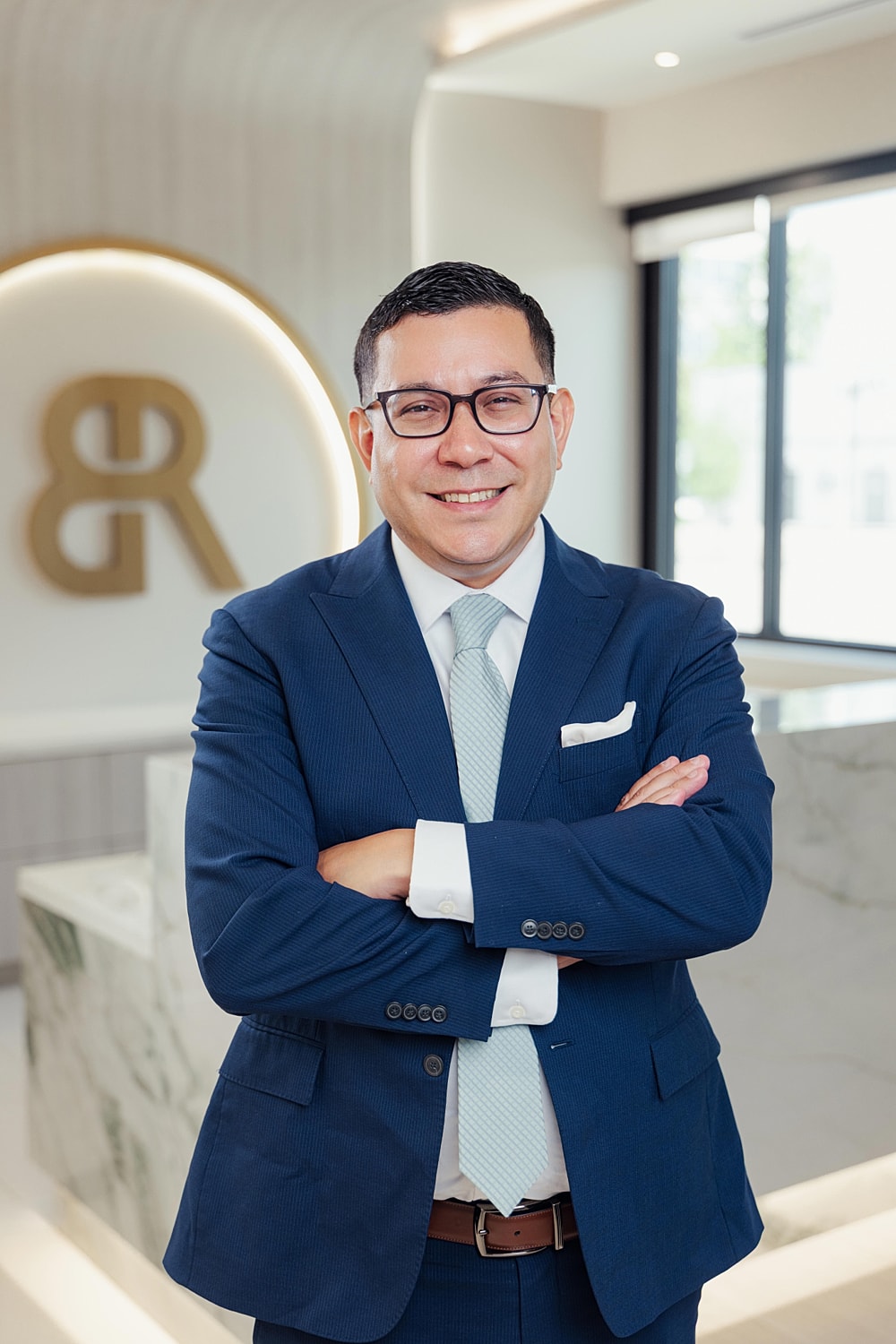
To schedule a buccal fat removal consultation, contact Dr. Mathew Moreno’s Houston office by phone or submit the secure consultation form on this page. A patient coordinator can help arrange an appointment and explain what information to prepare.
During the consultation, Dr. Moreno will evaluate your facial structure, discuss your goals, review the risks and alternatives, and determine whether surgery is appropriate. Scheduling a consultation is an educational first step and does not obligate you to proceed.
Before your appointment, consider preparing:
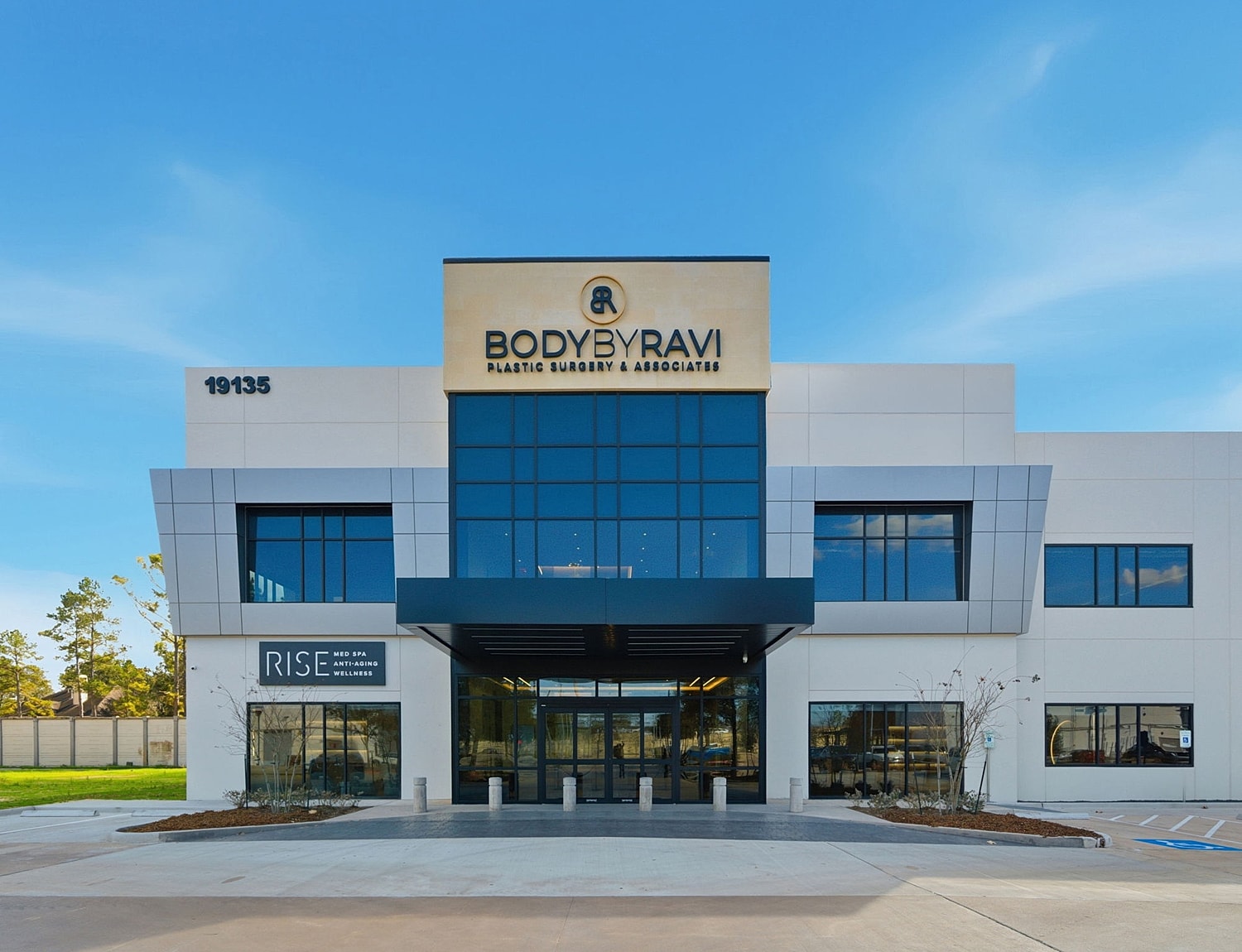



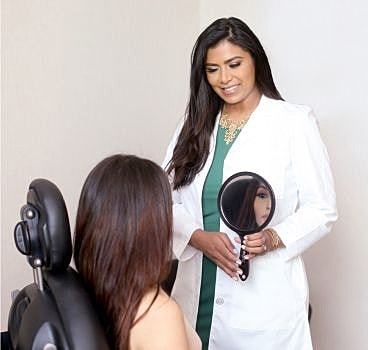
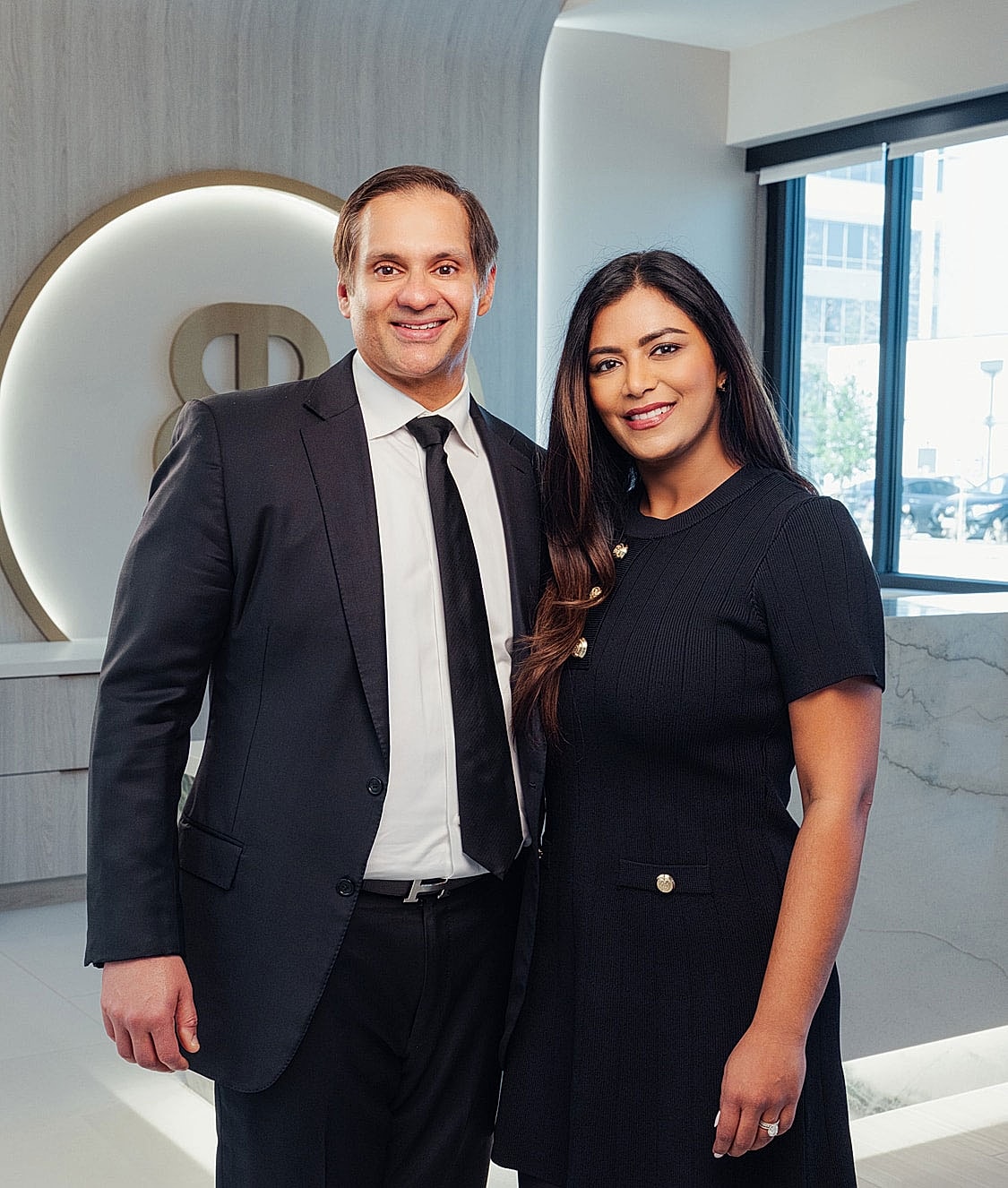
Dr. Ravi Somayazula and Dr. Swapna Gopathi are Board-Certified Physicians who use a patient-centered approach and spend as much time as needed to make each patient feel special and respected—not just another person walking through the door.
As a team, a one-of-a-kind treatment plan is created to address concerns from head to toe with the latest surgical and non-surgical techniques, including: Breast Augmentation (Implants), Tummy Tucks, Liposuction, Mommy Makeovers, miraDry®, Botox®, Dermal Fillers, and AVÉLI ® Cellulite treatment.
Working side-by-side, Dr. Ravi and Dr. Gopathi strive to create a long-lasting relationship with each patient, meeting any new aesthetic needs as they arise. Together, the staff at Body by Ravi Plastic Surgery and Aesthetics take each patient step-by-step through their cosmetic journey to achieve the desired aesthetic results.