 (281) 242-1061
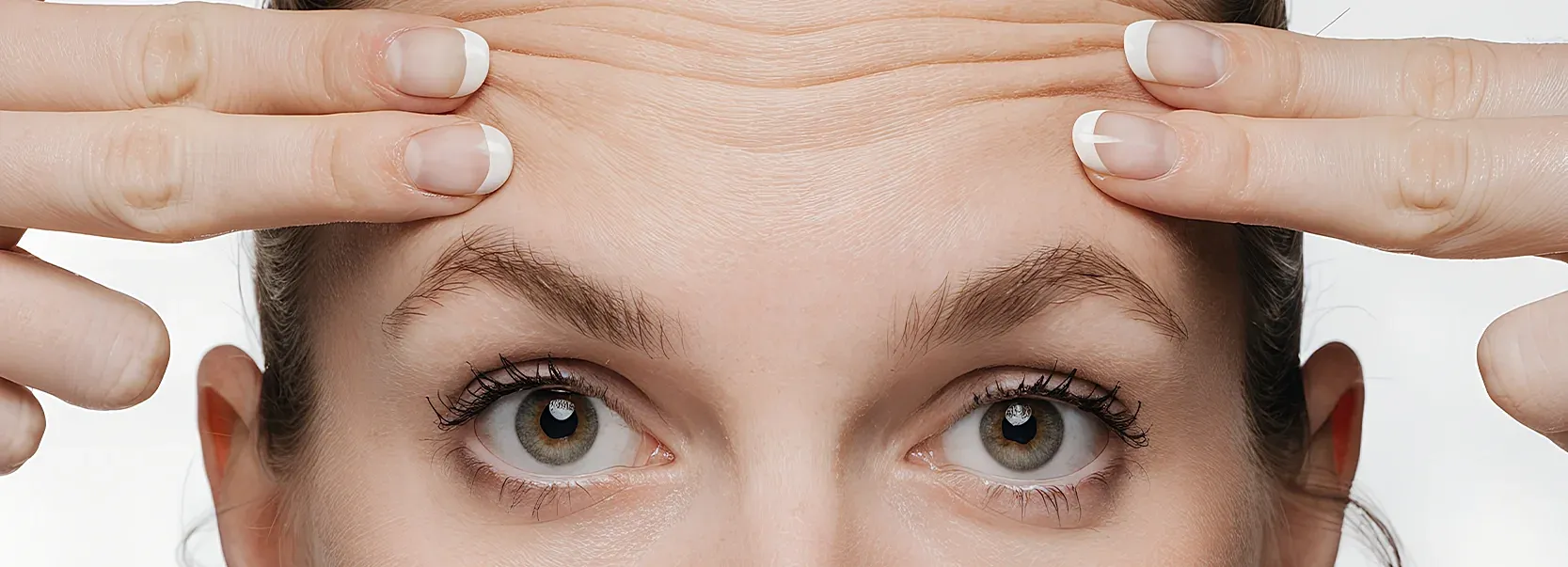
Brow lift surgery, also called a forehead lift, repositions a descended or heavy brow to create a more rested and open appearance around the eyes. It may improve upper-eyelid hooding, forehead heaviness, and an expression that appears tired, worried, or stern.
Dr. Mathew Moreno performs brow lift surgery in Houston with an emphasis on natural proportions, conservative repositioning, and preservation of facial expression. His goal is to help patients look refreshed and balanced rather than tight, surprised, or noticeably altered.
A brow lift releases and repositions brow tissues that have descended with age or are naturally positioned low on the forehead. It can reduce heaviness above the eyes, outer-eyelid hooding, forehead strain, and a tired or stern resting expression.
As the brow lowers, soft tissue may gather above the upper eyelids and make the eyes appear smaller or more crowded. Dr. Moreno evaluates the brows, eyelids, forehead, temples, and hairline together to determine whether the concern is best treated with brow surgery, eyelid surgery, or a combination.
A brow lift may improve:

A brow lift surgically repositions descended brow tissue to improve heaviness around the eyes and restore better upper-facial balance. Many patients need approximately one to two weeks of social downtime, although swelling and refinement continue beyond that period.
Unlike Botox and other nonsurgical treatments that temporarily relax facial muscles, a brow lift addresses the structural position of the brow itself. The procedure is customized according to brow position, forehead height, hairline placement, skin quality, facial proportions, and whether other procedures are included.
Surgical upper-facial rejuvenation
General anesthesia or monitored sedation
Approximately one to two weeks
Early improvement with continued refinement
Blepharoplasty, facelift, neck lift, or facial fat grafting
Brow lift surgery can create a brighter and more approachable appearance by restoring the brow to a position that better complements the patient’s facial anatomy. The goal is refined rejuvenation without producing an exaggerated arch or permanently surprised expression.
Because the brows frame the eyes, even a carefully measured adjustment can influence the appearance of the entire upper face. Dr. Moreno considers brow shape, forehead length, eye structure, gender-specific features, and natural asymmetry when planning the procedure.
Potential benefits include:


A brow lift treats descended brow tissue, while upper blepharoplasty removes true excess skin or carefully selected fat from the upper eyelids. Botox temporarily relaxes specific facial muscles but cannot reposition a structurally low or descended brow in the same way surgery can.
Some patients need only one treatment, while others have both brow descent and true upper-eyelid skin excess. Dr. Moreno evaluates the brow and eyelids together so that excess eyelid skin is not removed when the underlying problem is primarily brow position.
The treatments differ in several ways:
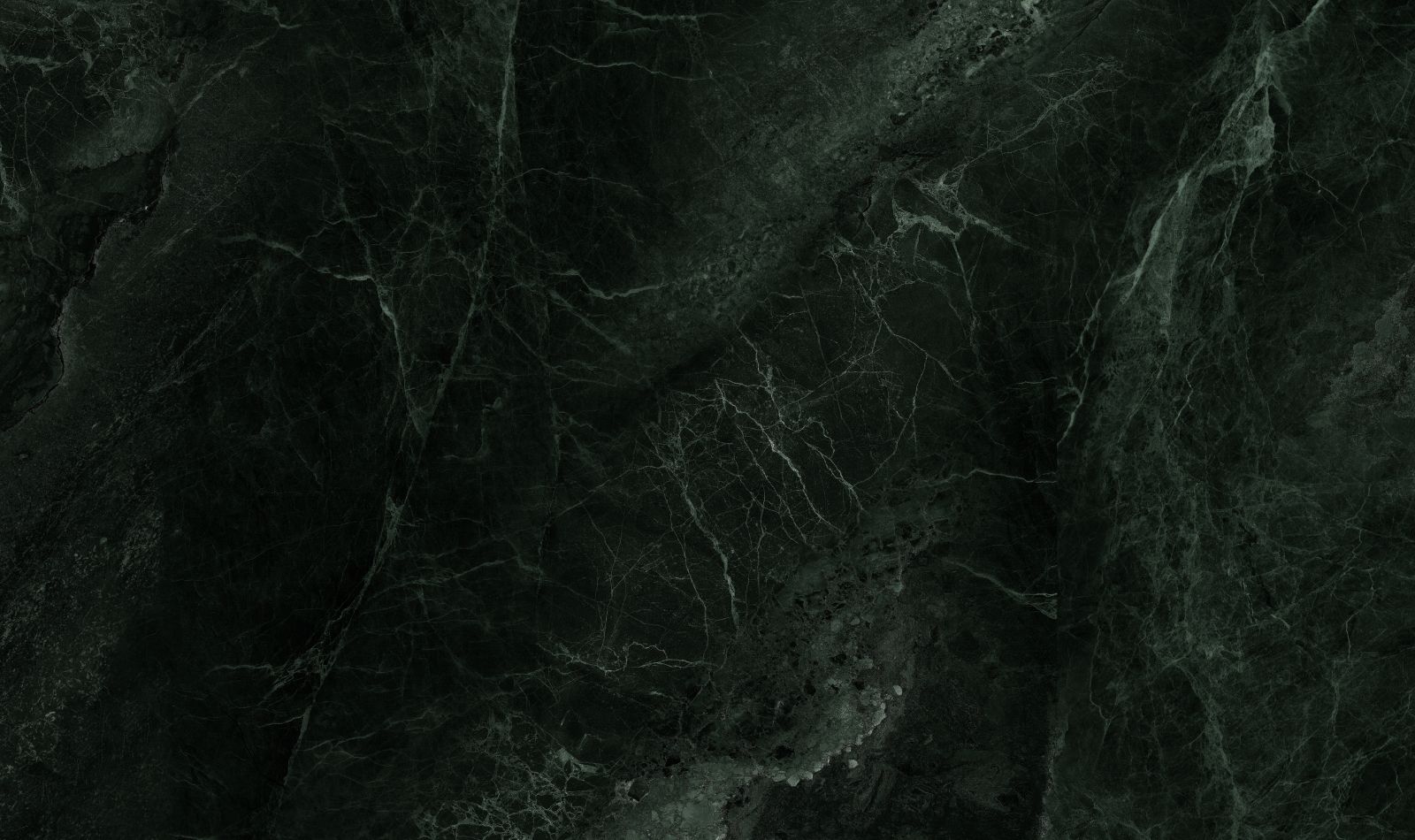
Dr. Mathew Moreno is a fellowship-trained plastic surgeon with a focused interest in facial rejuvenation and natural-looking aesthetic surgery. He completed six years of integrated plastic surgery residency training at the University of Kansas Medical Center, followed by a 12-month aesthetic surgery fellowship in New York.
His philosophy centers on restoration rather than transformation, with an emphasis on proportion, restraint, and individualized planning. Dr. Moreno approaches consultations as conversations and believes patients should feel informed, heard, and comfortable before making a surgical decision.
His professional approach emphasizes:
A brow lift consultation determines whether your concerns originate from brow descent, eyelid changes, skin quality, volume loss, or a combination of factors. Dr. Moreno uses the evaluation to recommend the most appropriate and conservative treatment plan.
Dr. Moreno asks what bothers you, what result you hope to achieve, and whether you experience heaviness, visual interference, or a habit of constantly lifting your eyebrows. He then examines the brows at rest and in motion while considering the eyelids, forehead, temples, hairline, and overall facial proportions.
Your consultation may include:
The right brow lift technique depends on where the brow has descended, how much correction is required, and how the brow relates to the forehead and hairline. Dr. Moreno selects an approach that can release and support the tissues effectively without performing more surgery than necessary.
Mild lateral brow descent may require a different operation than broader heaviness involving the central forehead. Forehead height, hair density, previous surgery, skin bunching, brow mobility, and the desired direction of movement all help determine incision placement and fixation.
Possible techniques include:

You may be a good candidate for a brow lift if descended brow tissue contributes to hooding, heaviness, forehead tension, or a tired appearance. A consultation is important because similar concerns may come from the brow, eyelids, skin quality, volume loss, or several factors together.
Candidates are not defined by age alone, since some younger patients naturally have lower-set brows while others develop descent gradually over time. Good candidates are generally healthy, have realistic expectations, avoid nicotine, and want improvement without losing their natural expression.
You may benefit from an evaluation if you notice:
A brow lift may not be appropriate for patients whose concerns are caused mainly by eyelid skin, volume loss, or skin texture rather than brow position. Surgery may also need to be postponed when medical conditions, medications, nicotine exposure, or healing concerns increase the risk of complications.
Dr. Moreno may recommend nonsurgical treatment, eyelid surgery, medical optimization, or additional evaluation instead of proceeding immediately. Being advised to delay or avoid surgery is part of responsible patient selection and does not mean that no treatment options are available.
A brow lift may not be recommended for patients with:
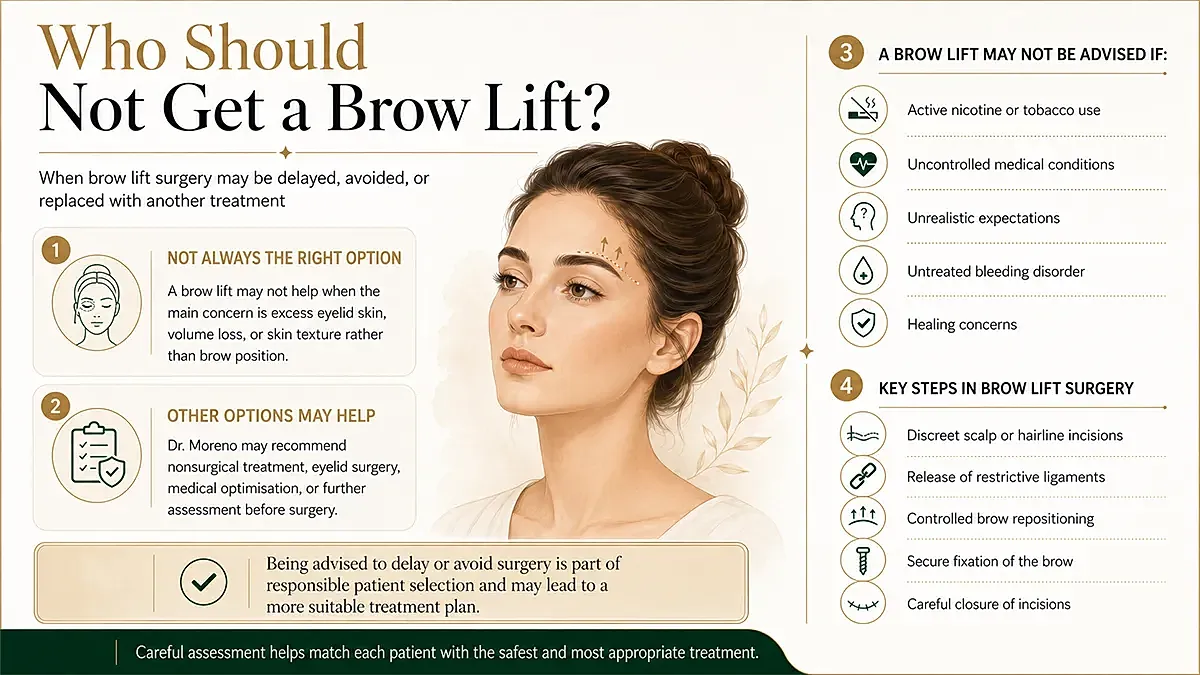
Brow lift surgery begins with carefully planned incisions selected according to the technique, hairline, forehead height, and amount of correction required. Through these incisions, Dr. Moreno releases the tissues and retaining structures that prevent the brow from moving into a more natural position.
The brow is then repositioned in a controlled direction and secured using the fixation method chosen during surgical planning. Dr. Moreno may use bone-tunnel fixation when appropriate and generally avoids routine Endotine devices because they may remain palpable or cause discomfort in some patients.
Key steps may include:

Brow lift before-and-after photos can help patients understand how brow position, eyelid hooding, and upper-facial balance may change after surgery. Strong results should make the face look lighter and better rested without creating an unusually high brow or surprised expression.
Photographs should be viewed as educational examples rather than guarantees of an identical result. Dr. Moreno can explain which cases share anatomical similarities with yours and how forehead height, eye shape, brow position, and combined procedures may affect your outcome.
When reviewing photos, look for:

A personalized consultation is the first step in determining whether brow lift surgery is appropriate for your anatomy and goals. Dr. Moreno will evaluate the relationship between your brows, eyelids, forehead, temples, and hairline before recommending a treatment plan.
Submitting the form does not commit you to surgery and does not replace an in-person medical evaluation. A patient coordinator can contact you to discuss availability and the next steps in scheduling your consultation.
Brow lift recovery commonly involves swelling, bruising, tightness, and temporary changes in forehead or scalp sensation. Many patients feel comfortable returning to routine social activities within approximately one to two weeks, although healing varies.
Swelling may move from the forehead into the eyelid area and can appear uneven during the first several days. Dr. Moreno provides detailed postoperative instructions and monitors healing as the tissues settle and the final brow position gradually becomes clearer.
Recovery guidance may include:
Most patients notice the greatest swelling and tightness during the first week, followed by steady improvement over the next several weeks. Final refinement takes longer because swelling, sensation, scar maturation, and tissue settling continue beyond the initial social recovery period.
The timeline below is a general guide rather than a guarantee, since healing varies according to technique, health, combined procedures, and individual biology. Dr. Moreno provides personalized instructions and determines when each patient can safely resume exercise, work, and other activities.
The cost of brow lift surgery in Houston varies according to the technique, complexity, anesthesia, facility expenses, and whether other procedures are performed. Dr. Moreno provides a personalized surgical quote after evaluating the patient and developing a treatment plan.
A focused temporal lift and a more comprehensive brow lift involve different operating times and technical requirements. Patients should also confirm whether the quote includes anesthesia, facility fees, postoperative visits, and other related expenses.
Factors that may affect cost include:

Brow lift surgery should be selected based on anatomy rather than age, trends, or a standard idea of the ideal brow. The most important questions are whether the brow is truly contributing to the concern and which technique can improve it without creating excessive elevation.
Patients should also understand that surgery can improve brow position but cannot stop aging or guarantee perfect symmetry. A well-informed decision includes realistic expectations, medical preparation, recovery planning, and confidence in the surgeon’s approach.
A practical brow lift guide should cover:
Brow lift surgery is generally well tolerated in appropriately selected patients, but it carries risks including bleeding, infection, scarring, asymmetry, numbness, and an unsatisfactory brow position. Careful planning and adherence to postoperative instructions may reduce avoidable complications.
Swelling, bruising, tightness, and temporary sensory changes are expected during normal healing, while more serious complications are less common. Dr. Moreno reviews medical conditions, medications, supplements, nicotine exposure, previous surgery, and other factors that may influence anesthesia or wound healing.
Potential risks include:
Yes, in many patients it can. When the brows are elevated to a more natural position, the eyes often appear more open and rested without directly operating on the eyelids themselves.
Many people subconsciously raise their forehead muscles to compensate for brow heaviness. Over time, this repetitive muscle activity can deepen horizontal forehead creases.
In many cases, yes. A low brow can unintentionally create a tired, angry, or stressed appearance, and restoring brow position can soften those expressions while still preserving natural personality and movement.
Yes. Brow lift surgery is designed to preserve natural facial expression and movement while repositioning the brow to a more refreshed location.
Absolutely. Male and female brow aesthetics are different, which is why brow lift surgery should always be customized to maintain natural gender-specific facial characteristics.
Many patients feel that way after surgery. Because the upper face is so expressive, even subtle improvements in brow position can make the face appear more energized and approachable on camera.
This usually happens when the brow is elevated too aggressively or shaped unnaturally. At Body by Ravi, Dr. Moreno prioritizes balanced, natural-looking rejuvenation rather than exaggerated results.
Possibly, but technique selection becomes especially important. Brow position, forehead height, and hairline placement are carefully evaluated to avoid creating imbalance in the upper face.
No procedure can stop aging completely. However, a brow lift can restore a more youthful upper facial foundation that continues to age more gracefully over time.
The brow and eyelids age together, so treating both areas can sometimes create a more harmonious result. In many patients, combining procedures improves overall balance and upper facial rejuvenation.
Dr. Moreno combines comprehensive plastic surgery training with advanced aesthetic fellowship experience and a focused interest in facial rejuvenation. His brow lift philosophy emphasizes careful assessment, stable tissue support, conservative repositioning, and preservation of natural expression.
He believes the difference between an average result and an exceptional one often comes down to restraint, proportion, and knowing when to do less. Patients can expect honest guidance, individualized planning, and attentive communication before surgery and throughout recovery.
Patients may value his emphasis on:

To schedule a brow lift consultation, contact Dr. Mathew Moreno’s Houston office by phone or submit the secure consultation request form on this page. A patient coordinator can help you select an appointment time and explain what information to prepare before your visit.
During the consultation, you will have the opportunity to discuss your concerns, review the available techniques, ask questions, and receive a personalized recommendation. Scheduling a consultation is an educational first step and does not obligate you to proceed with surgery.
Before your appointment, consider preparing:
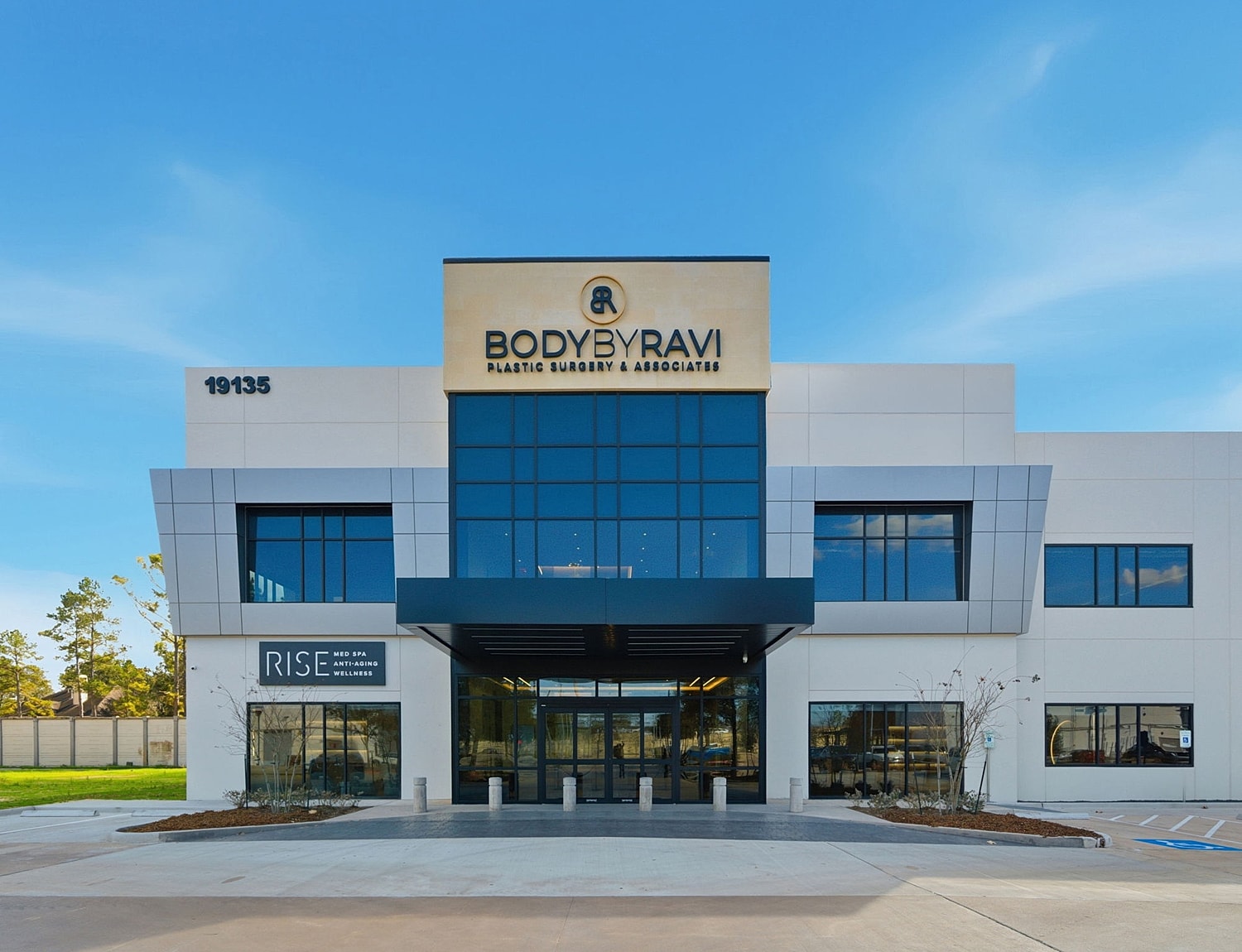
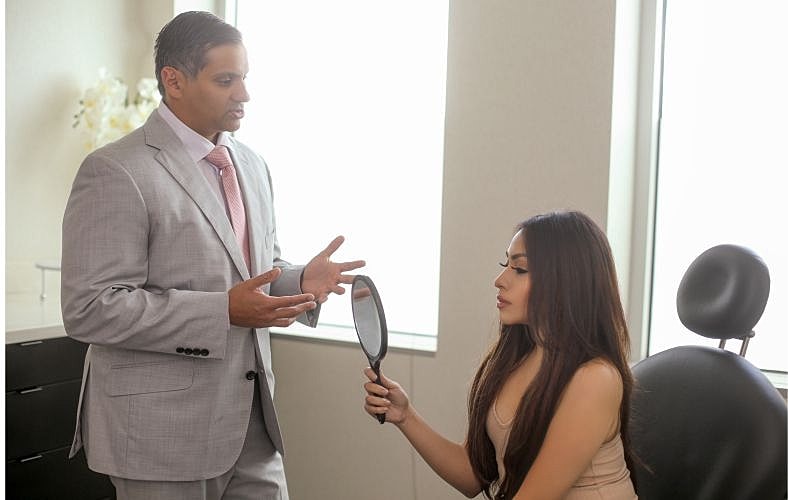


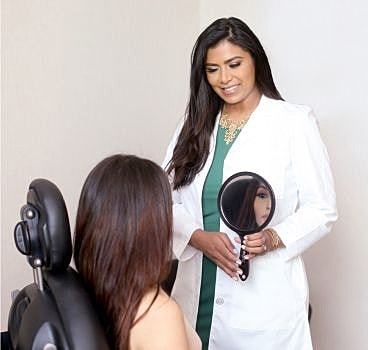
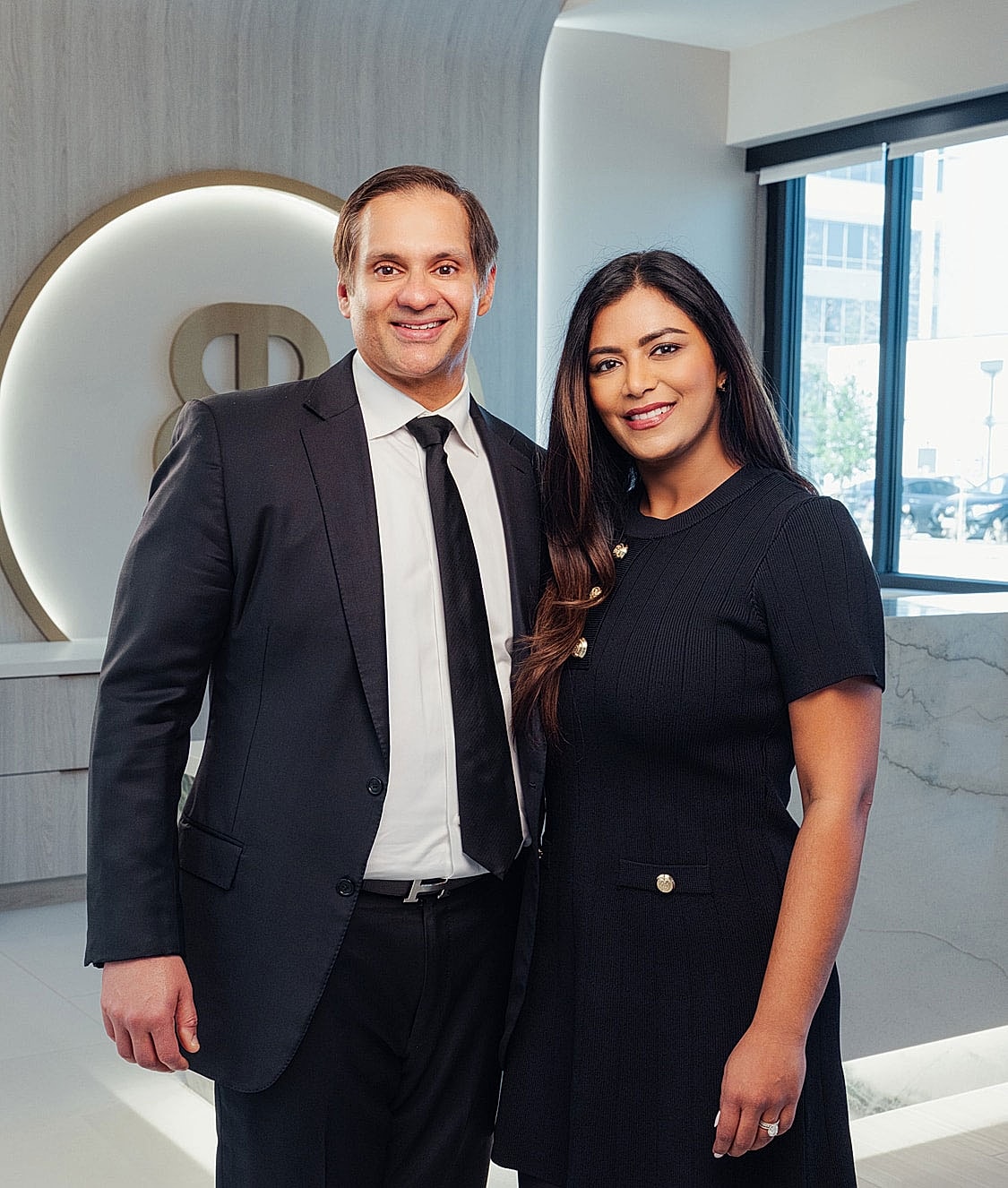
Dr. Ravi Somayazula and Dr. Swapna Gopathi are Board-Certified Physicians who use a patient-centered approach and spend as much time as needed to make each patient feel special and respected—not just another person walking through the door.
As a team, a one-of-a-kind treatment plan is created to address concerns from head to toe with the latest surgical and non-surgical techniques, including: Breast Augmentation (Implants), Tummy Tucks, Liposuction, Mommy Makeovers, miraDry®, Botox®, Dermal Fillers, and AVÉLI ® Cellulite treatment.
Working side-by-side, Dr. Ravi and Dr. Gopathi strive to create a long-lasting relationship with each patient, meeting any new aesthetic needs as they arise. Together, the staff at Body by Ravi Plastic Surgery and Aesthetics take each patient step-by-step through their cosmetic journey to achieve the desired aesthetic results.