 (281) 242-1061
 Schedule Consultation
Published
6 minute read
Plastic surgery is the beginning of a transformation, but the final outcome depends on much more than what happens in the operating room. Healing is a gradual process, and every stage of recovery plays a role in revealing your final results.
At Body by Ravi Plastic Surgery & Associates in Houston, Dr. Ravi Somayazula believes recovery deserves the same level of planning and attention as surgery itself. Along with meticulous surgical technique, Enhanced Recovery protocols, multimodal pain management, scar optimization, and personalized postoperative care, selected patients may also benefit from manual lymphatic drainage, commonly called lymphatic massage, as part of an individualized recovery plan.
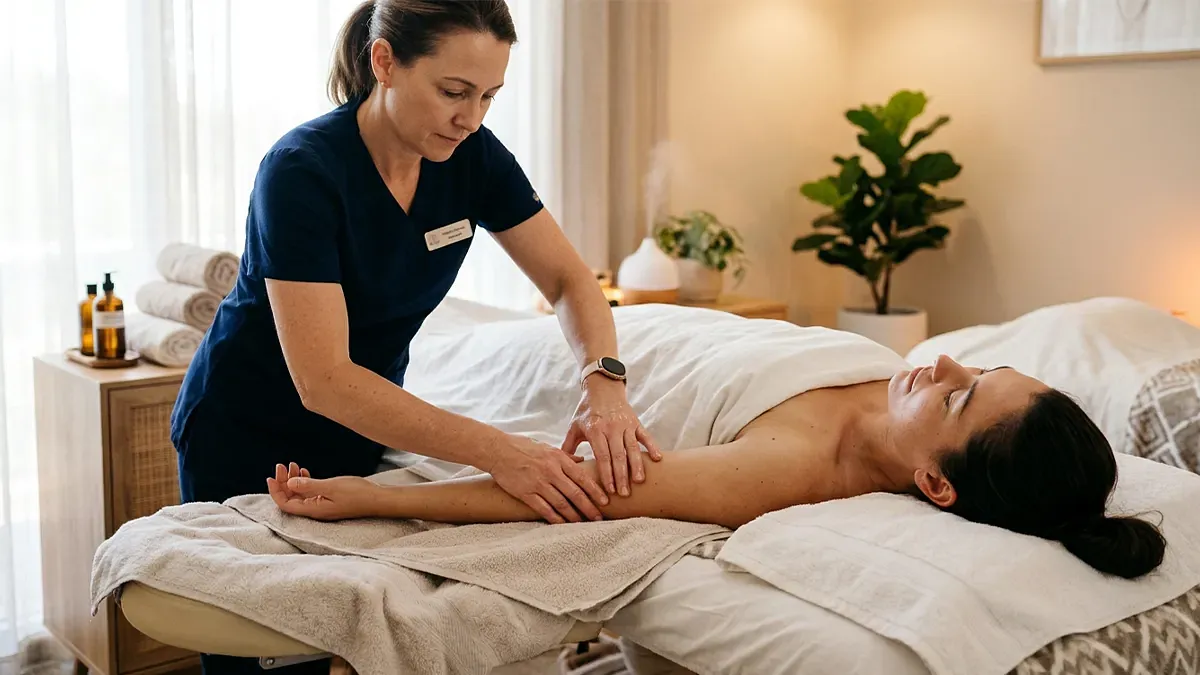
Manual lymphatic drainage is a specialized massage technique that uses light, rhythmic movements to encourage the natural movement of lymphatic fluid. It is designed to support the body's healing process rather than replace it.
Unlike traditional massage, manual lymphatic drainage is gentle and targets the superficial lymphatic vessels beneath the skin. The goal is not to manipulate muscles or "break up" scar tissue, but to assist the lymphatic system as it clears excess fluid that commonly develops after surgery. Current evidence suggests it may help reduce postoperative swelling and improve comfort for selected patients when performed at the appropriate time by a trained provider under the guidance of the operating surgeon.
Swelling is a normal and expected part of healing after surgery. It reflects the body's natural inflammatory response as tissues begin repairing themselves.
During surgery, tissues are carefully separated, repositioned, or reshaped. Small blood vessels release fluid containing oxygen, nutrients, and immune cells that help repair the surgical area. While this response is essential for healing, excess fluid can temporarily accumulate before the lymphatic system gradually removes it. Some swelling resolves within weeks, while subtle swelling may continue improving for several months depending on the procedure.
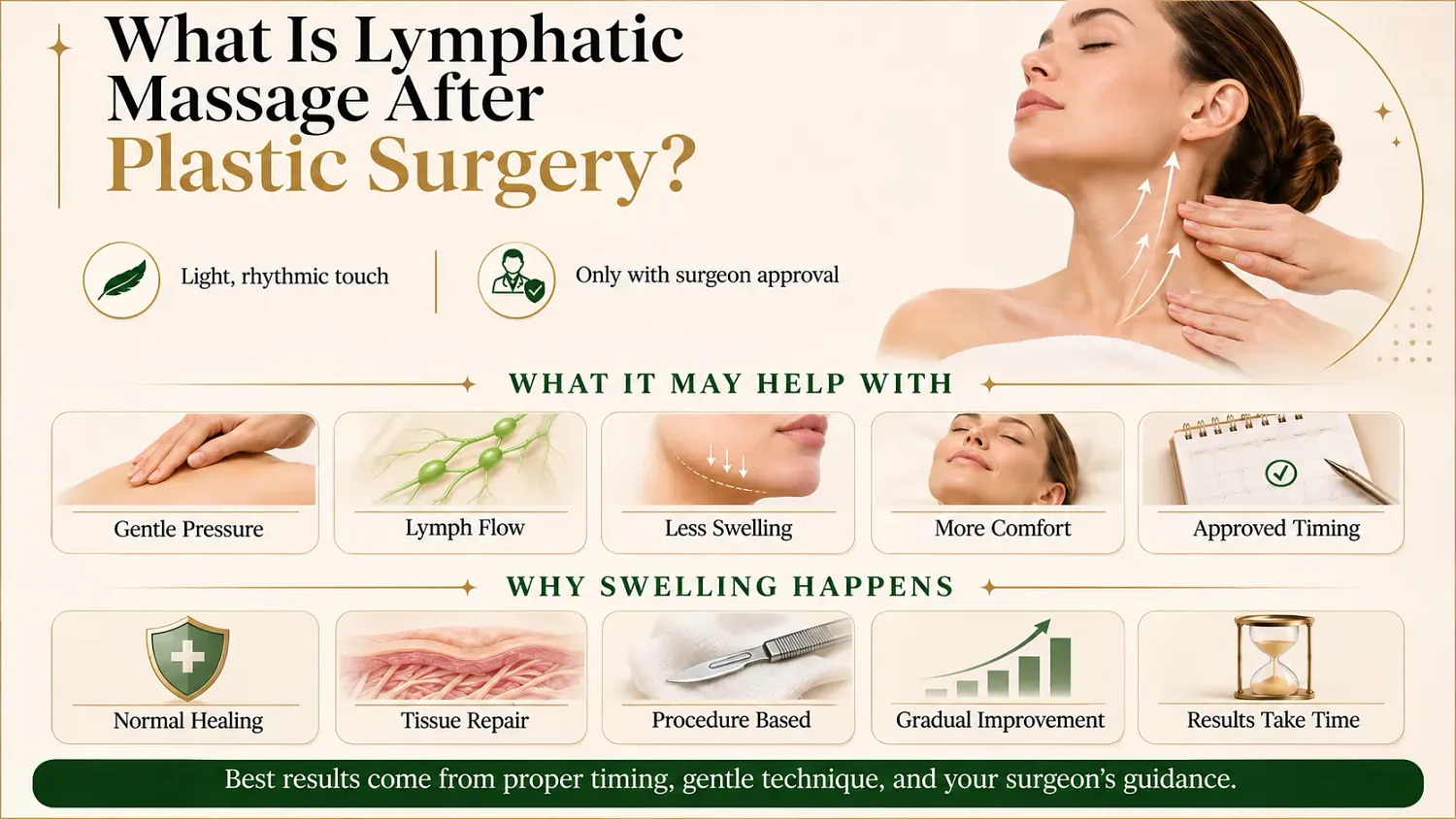
The lymphatic system removes excess fluid, proteins, and cellular waste from tissues throughout the body. Unlike the circulatory system, it relies on muscle movement, breathing, and healthy lymphatic vessels rather than a central pump.
Body contouring procedures such as SAFE Liposuction and SMART Tummy Tuck temporarily affect lymphatic channels within the treated tissues. As these pathways recover, swelling gradually improves. Manual lymphatic drainage may help support this natural process in selected patients, but it cannot accelerate biological healing or replace normal recovery.
Manual lymphatic drainage may help selected patients feel more comfortable during recovery. The greatest benefits are typically related to swelling management rather than changing the surgical outcome.
Some patients notice that treated areas feel less tight or heavy after swelling begins to improve. As fluid decreases, clothing may fit more comfortably, movement may become easier, and early contours may become more visible. These improvements occur because swelling is resolving, not because the massage changes the surgery itself.
Not every procedure requires manual lymphatic drainage. Dr. Ravi recommends recovery strategies based on each patient's surgery, anatomy, and healing progress.
Patients undergoing liposuction, tummy tuck, mommy makeover, or multiple body contouring procedures may experience more postoperative swelling than those undergoing smaller procedures. In carefully selected cases, lymphatic massage may complement compression garments, early walking, proper hydration, and other evidence-based recovery practices.
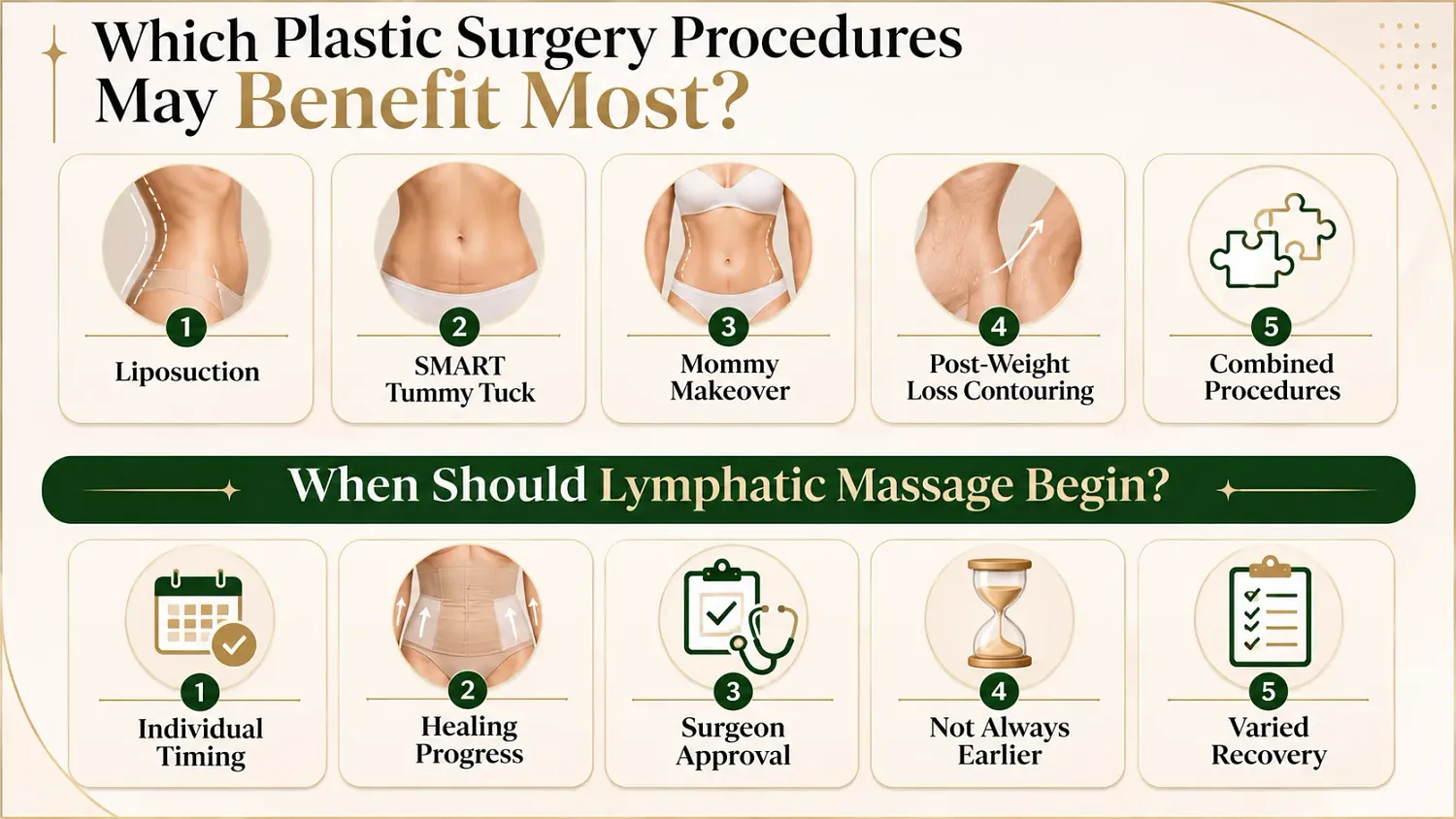
There is no universal timeline for beginning lymphatic massage after plastic surgery. The safest timing depends on the procedure performed and how each patient is healing.
Starting treatment too early may irritate healing tissues or interfere with surgical repairs. Dr. Ravi determines whether lymphatic massage is appropriate during follow-up visits based on incision healing, swelling, and overall recovery rather than following a predetermined schedule.
Manual lymphatic drainage is not appropriate for every patient or every stage of recovery. Certain medical conditions and healing concerns require postponing or avoiding treatment altogether.
Patients with infections, untreated blood clots, uncontrolled medical conditions, or healing complications may need alternative recovery strategies. Deep tissue massage should never be substituted for manual lymphatic drainage during the early postoperative period because aggressive techniques can damage healing tissues.
Successful healing depends on a combination of surgical technique and thoughtful postoperative care. Manual lymphatic drainage is only one possible component of a comprehensive recovery plan.
Dr. Ravi's Enhanced Recovery protocols focus on reducing discomfort while encouraging safe healing. Compression garments, multimodal pain management, early walking, hydration, balanced nutrition, scar optimization, and regular follow-up appointments all contribute to predictable recovery and long-term results.
Every patient heals differently, even after the same procedure. Recovery recommendations should reflect each individual's anatomy, health, and surgical goals.
Dr. Ravi combines more than 20 years of surgical experience with careful postoperative monitoring to guide patients through recovery. Surgery is performed in an accredited surgical facility alongside a board-certified anesthesiologist, an experienced plastic surgery first assistant, and a skilled nursing team who work together to provide coordinated care before, during, and after surgery.
Lymphatic massage does not change the surgical result itself, but it can influence how clearly and comfortably that result reveals itself during recovery. By helping manage prolonged swelling, it may allow contours to appear more smoothly as healing progresses.
As the body transitions through different phases of healing, fluid can shift rather than immediately resolve. This fluctuation is normal and does not mean recovery is regressing or that something is wrong.
Yes. Too many sessions or techniques that are too aggressive can irritate healing tissues and delay recovery. This is why timing and professional guidance matter more than frequency.
The lymphatic system is closely tied to immune and metabolic processes. Supporting it can temporarily increase the body’s workload, which may leave some patients feeling relaxed or fatigued afterward.
No. Compression garments provide continuous structural support that massage cannot replace. Lymphatic massage may complement compression when recommended, but it does not take its place.
In some cases, it may help soften areas that feel congested due to fluid retention. However, firmness related to normal scar tissue development requires time and cannot be massaged away early on.
Different regions of the body have different lymphatic density and circulation patterns. Areas like the lower abdomen and flanks often take longer to drain than areas with more natural movement.
Not necessarily. If swelling is resolving on its own and recovery is progressing well, massage may offer little additional benefit. Recovery should be guided by need, not routine.
Indirectly, it may help by reducing surrounding swelling and tension, which can support overall tissue health. Scar quality is primarily influenced by surgical technique, genetics, and proper wound care.
Only the surgeon knows how tissues were handled and what needs protection during healing. Approval ensures that the massage supports recovery rather than working against the surgical plan.
Published
1 minute read
Excellent surgical results depend on excellent recovery. Dr. Ravi believes patients deserve thoughtful guidance throughout every stage of healing, not just on the day of surgery.
From personalized treatment planning to Enhanced Recovery protocols and ongoing follow-up, every aspect of care is designed to support safe healing and natural-looking, long-lasting results. If manual lymphatic drainage is appropriate for your recovery, Dr. Ravi will discuss when it should begin and how it fits into your individualized postoperative plan.
If you are considering plastic surgery, schedule a consultation with Dr. Ravi at Body by Ravi Plastic Surgery & Associates in Houston. Together, you can develop a personalized surgical and recovery plan focused on safety, comfort, and achieving your best possible outcome.
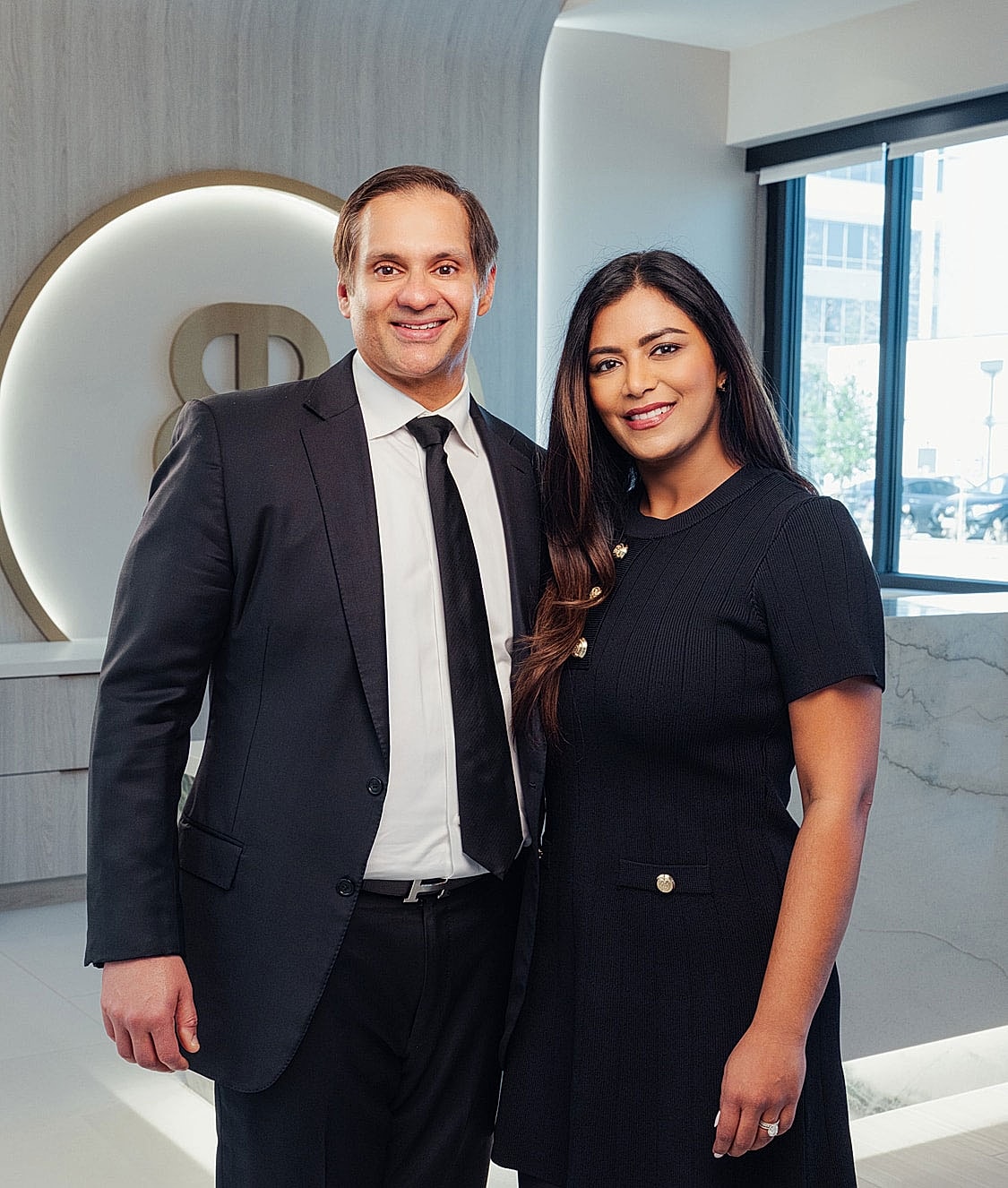
Dr. Ravi Somayazula and Dr. Swapna Gopathi are Board-Certified Physicians who use a patient-centered approach and spend as much time as needed to make each patient feel special and respected—not just another person walking through the door.
As a team, a one-of-a-kind treatment plan is created to address concerns from head to toe with the latest surgical and non-surgical techniques, including: Breast Augmentation (Implants), Tummy Tucks, Liposuction, Mommy Makeovers, miraDry®, Botox®, Dermal Fillers, and AVÉLI ® Cellulite treatment.
Working side-by-side, Dr. Ravi and Dr. Gopathi strive to create a long-lasting relationship with each patient, meeting any new aesthetic needs as they arise. Together, the staff at Body by Ravi Plastic Surgery & Associates take each patient step-by-step through their cosmetic journey to achieve the desired aesthetic results.